Krijn, Archaeological site in North Sea, Netherlands.
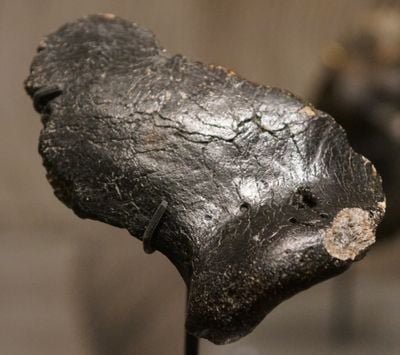
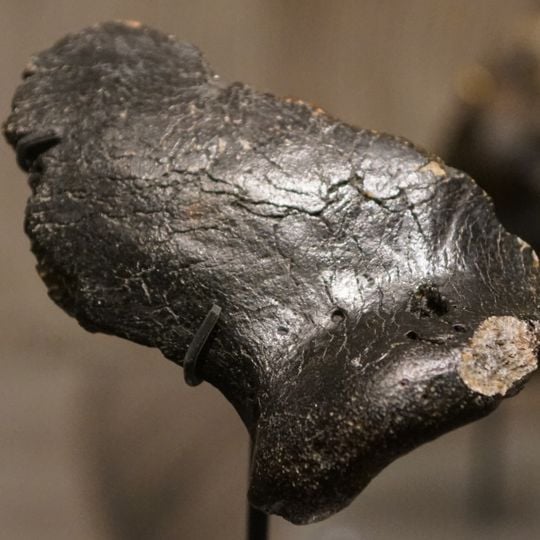
Krijn is a bone fragment from the North Sea discovered through dredging operations off the Dutch coast in Zeeland province. The piece comes from a Neanderthal and shows that these early people also lived in what is now the Netherlands.
The fragment dates to between 50,000 and 70,000 years ago and is the first evidence of a Neanderthal in Dutch waters. Scientists from Leiden University and the Max Planck Institute used isotope analysis to show that this individual ate meat-based diets.
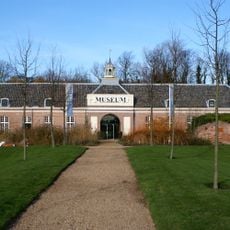
The fossil is displayed at the National Museum of Antiquities in Leiden, where visitors can see how humans inhabited these waters for countless generations. The exhibition connects bone fragments with reconstructions to help people understand daily life in that distant period.
The find is displayed at the museum in Leiden and can be viewed by visitors there. It helps to explore the exhibition with a museum guide or audio companion to better understand the significance of the discovery.
The bone shows a benign tumor on the eyebrow ridge, the first documented case of this condition in a Neanderthal. This medical detail suggests that this individual lived with this condition for a long time.
The community of curious travelers
AroundUs brings together thousands of curated places, local tips, and hidden gems, enriched daily by 91,711 contributors worldwide.