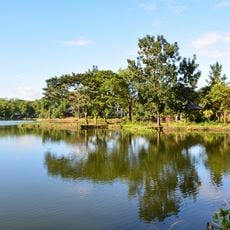
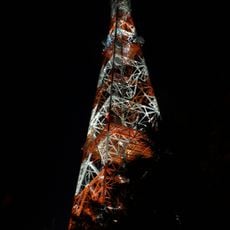
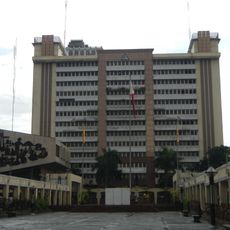
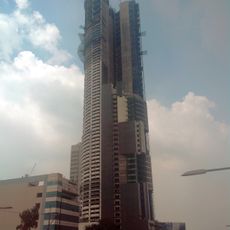
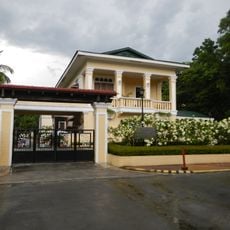
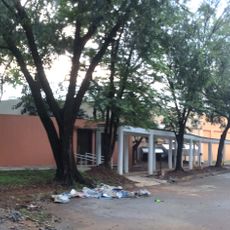
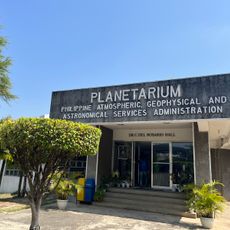
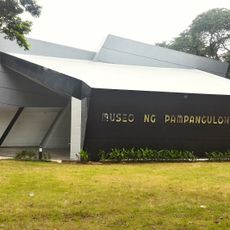
PAGASA, National meteorological service in Quezon City, Philippines
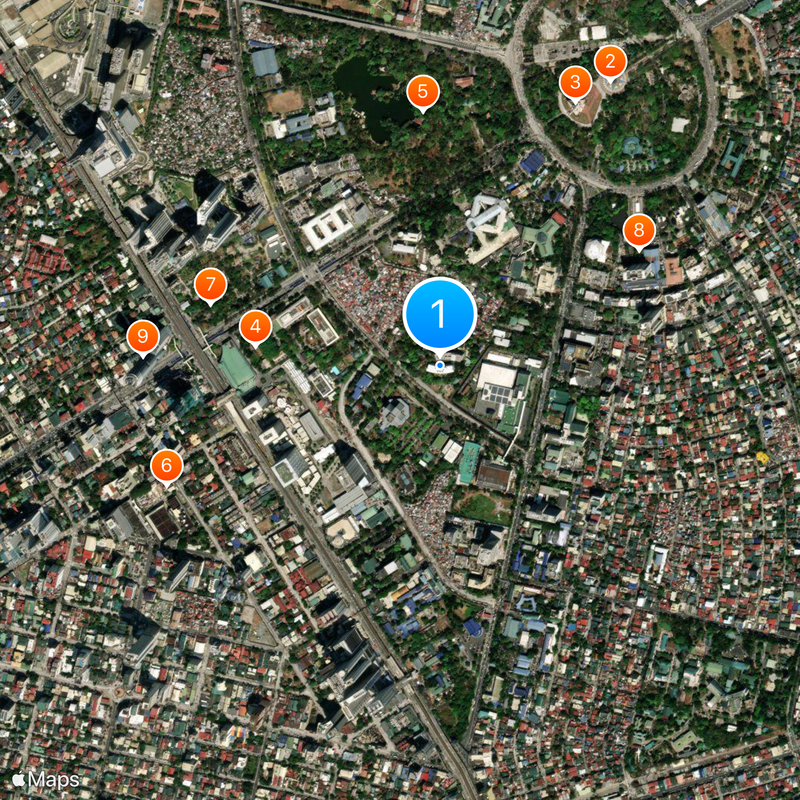
PAGASA is the national meteorological service in Quezon City, operating a network of stations across the archipelago and tracking typhoon paths from its headquarters in the Science Garden Complex. The facility coordinates weather observations from more than seventy stations and delivers forecasts for agriculture, aviation, and public safety across the country.
The service evolved from the Manila Observatory, which Jesuits founded in 1865 for astronomical observation and later incorporated weather forecasting into its work. The government assumed control after World War II and renamed it in 1972 to unify meteorology under the Department of Science and Technology.
Filipinos know the organization by its acronym, which translates to hope in Tagalog, reflecting its protective role during severe weather events. The name choice underscores how communities view weather services as guardians during the country's frequent storm season.
The headquarters releases hourly bulletins during active typhoon season, updating warnings as storm systems approach landfall. Visitors can access weather information through mobile apps, local radio stations, and news portals that broadcast advisories in English and Tagalog.
The agency assigns typhoon names using a predetermined alphabet that rotates every four years, permanently retiring names after particularly destructive storms. Public suggestions for replacement names often emerge from local terms, plants, or cultural references that residents associate with weather patterns.
The community of curious travelers
AroundUs brings together thousands of curated places, local tips, and hidden gems, enriched daily by 92,641 contributors worldwide.