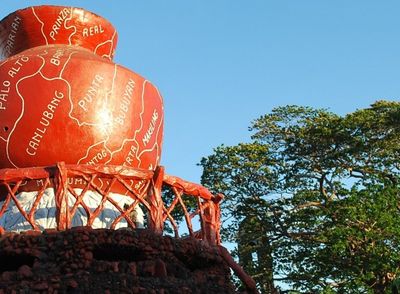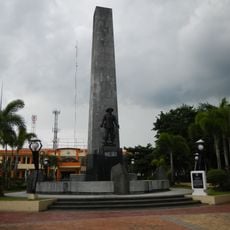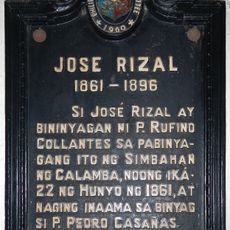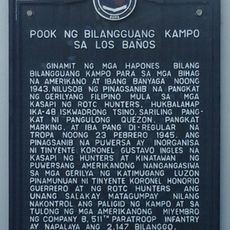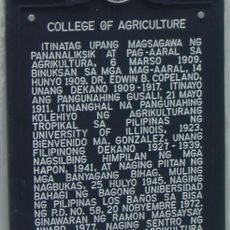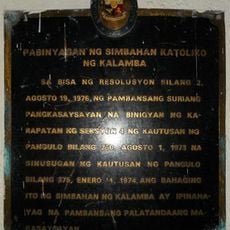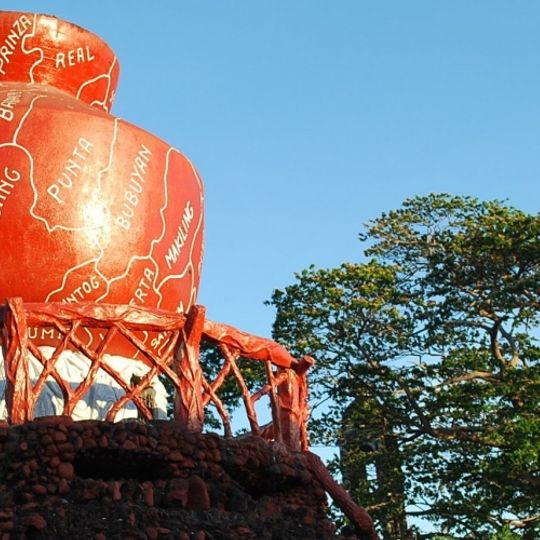
Calamba Claypot, Clay pot monument at City Plaza in Calamba, Philippines.
The Calamba Claypot is a large clay jar structure that rises in the center of City Plaza, paying tribute to the traditional water vessels once used throughout the region. The prominent structure serves as a central landmark in this public space while displaying the area's craftwork heritage.
The monument was built between 1937 and 1939 by Felipe Samaniego, a University of the Philippines graduate, following approval from Mayor Roman Lazaro. Its construction marked a significant moment in shaping the city's public spaces.
The names of all 54 barangays are carved into the large jar, representing the traditional water vessels that were essential to daily life in the community. This inscription reflects how deeply craftsmanship and local identity are connected to the place.
The monument sits in City Plaza and is easily reached by local transportation such as jeepneys and tricycles that regularly serve the area. Its central location makes it accessible to visitors walking through the plaza.
The city's name comes from two words: 'kalan' meaning clay stove and 'banga' meaning clay water jar, combined as 'Calambanga'. This language connection between the monument and the city name runs through local history.
The community of curious travelers
AroundUs brings together thousands of curated places, local tips, and hidden gems, enriched daily by 60,000 contributors worldwide.