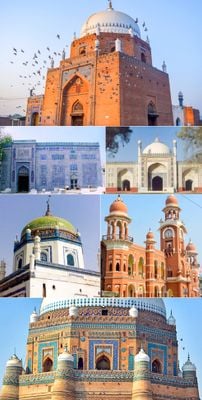
Multan, Historical city in Punjab, Pakistan
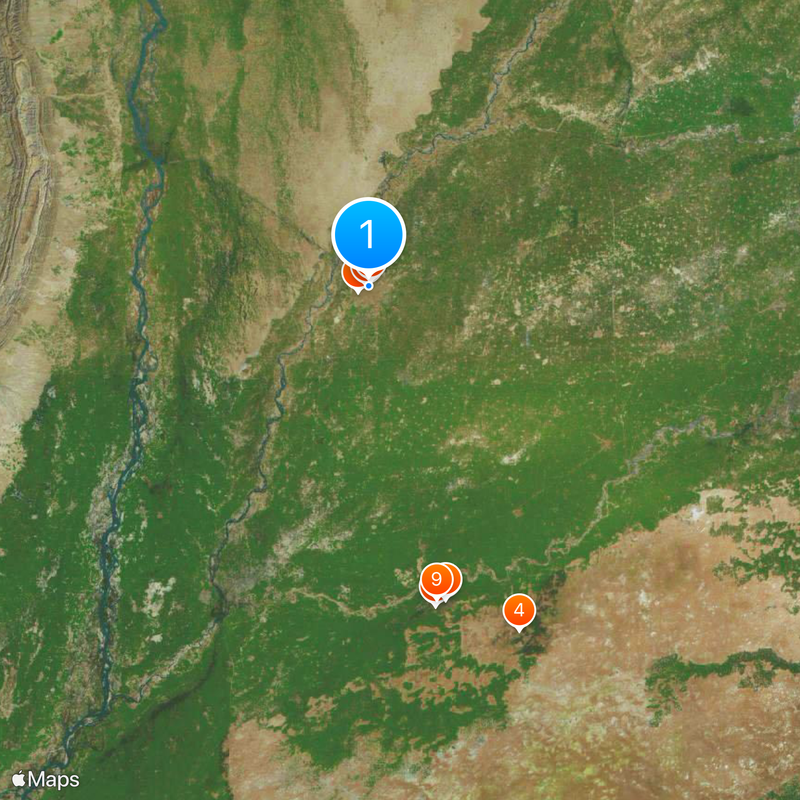
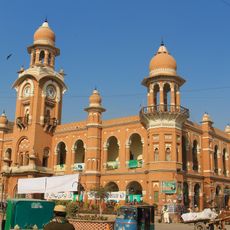
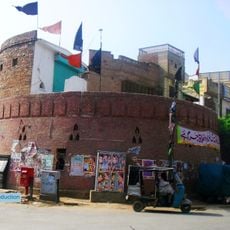
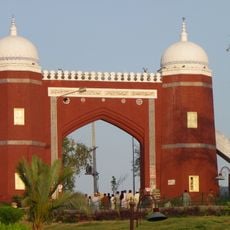
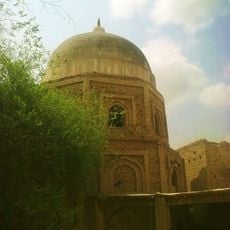
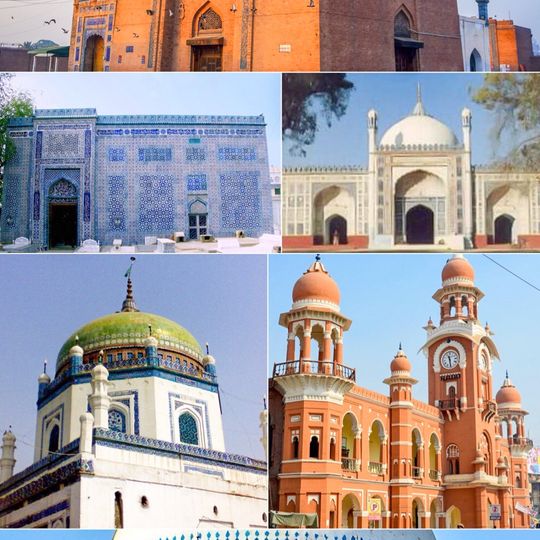
Multan sits along the eastern bank of the Chenab and contains mosques, mausoleums, and markets scattered among newer residential and commercial areas. Streets connect shrines built from brick and tilework to modern squares where vendors sell fabric and fruit.
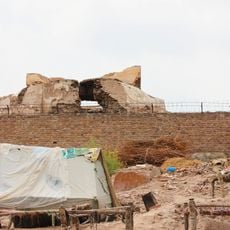
Alexander the Great besieged the town in 326 BCE during his campaign against the Malli and suffered a severe wound in the process. Later it became a center for Sufism as saints and scholars established their shrines and schools.
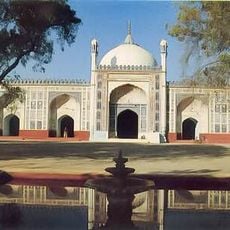
The presence of multiple Sufi shrines and religious monuments in Multan reflects its role as a spiritual center, earning the designation City of Saints.
The town is reached through Multan Airport, which offers regular connections to other major Pakistani cities. Visitors should wear shoes that are easy to remove, as many religious sites require barefoot entry.
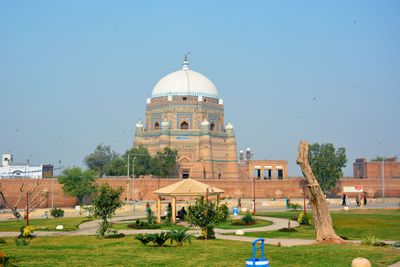
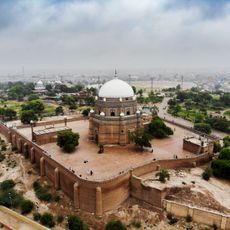
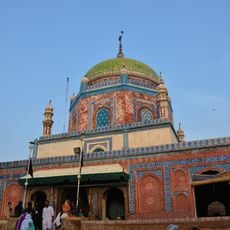
The tomb of Shah Rukn-e Alam carries one of the largest domes in Asia, decorated with blue and white tiles in geometric patterns. The 14th-century structure is visible from afar and has served for centuries as a landmark for travelers.
The community of curious travelers
AroundUs brings together thousands of curated places, local tips, and hidden gems, enriched daily by 92,071 contributors worldwide.