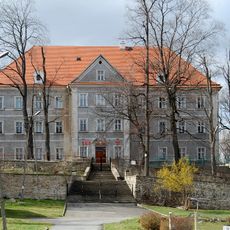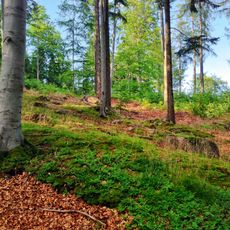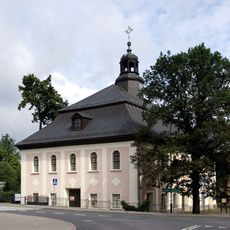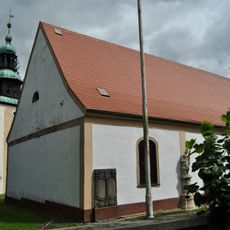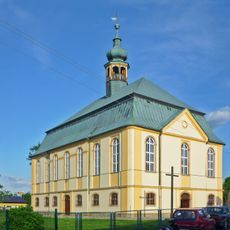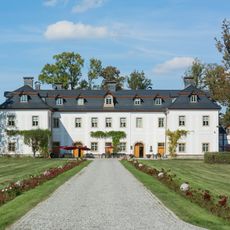
Chojnik Castle, Medieval castle in Jelenia Góra, Poland
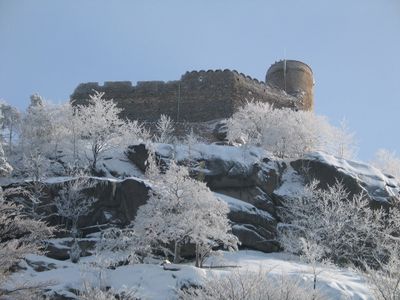
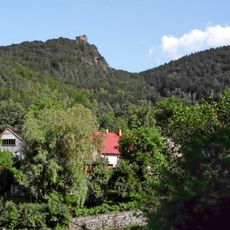
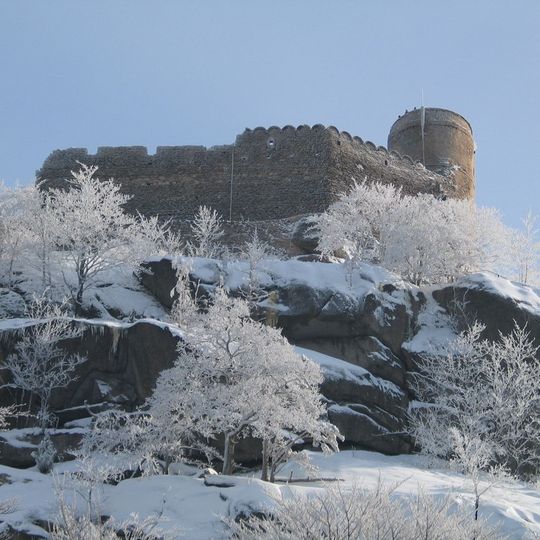
The stone fortress stands at 627 meters above sea level on Chojnik Mountain, featuring Gothic architectural elements and defensive walls.
Duke Bolko I constructed the castle in 1292 to guard the borders of the Duchy of Jawor against potential threats from Bohemia.
The structure includes a Gothic chapel dedicated to Saint Catherine and Saint George, which contained medieval paintings until World War II.
Visitors reach the castle through marked hiking trails from Sobieszów district, with entrance fees supporting the preservation of the structure.
A lightning strike in 1675 caused a fire that transformed this military stronghold into the current stone ruins visible today.
Location: Jelenia Góra
Inception: 1292
Architectural style: Gothic architecture
Website: http://chojnik.pl/pl
GPS coordinates: 50.83361,15.64361
Latest update: May 26, 2025 21:31
From the Baltic to the Black Sea, fortresses and castles define the landscape of Eastern Europe. These structures reflect military architecture from the Middle Ages through the Renaissance, displaying different defensive techniques and regional traditions. Some were built as border strongholds, others controlled trade routes or served as power centers for local rulers. Khotyn Fortress on the banks of the Dniester in Ukraine stands among the region's most significant defensive works. In Poland, Malbork Castle documents the power of the Teutonic Order, while Hermann Fortress in Estonia and Novgorod Kremlin in Russia marked strategic points in Baltic and Russian defense systems. Further south, Golubac Fortress guards the Danube at the Iron Gates, and Baba Vida Fortress in Bulgaria ranks among the Balkans' preserved medieval compounds. Many of these sites now function as museums or archaeological locations. The ruins of Strečno Castle in Slovakia overlook the Váh Valley, while Bran Castle in Romania draws visitors through its association with Dracula lore. These fortifications document centuries of military and political history across Eastern Europe.
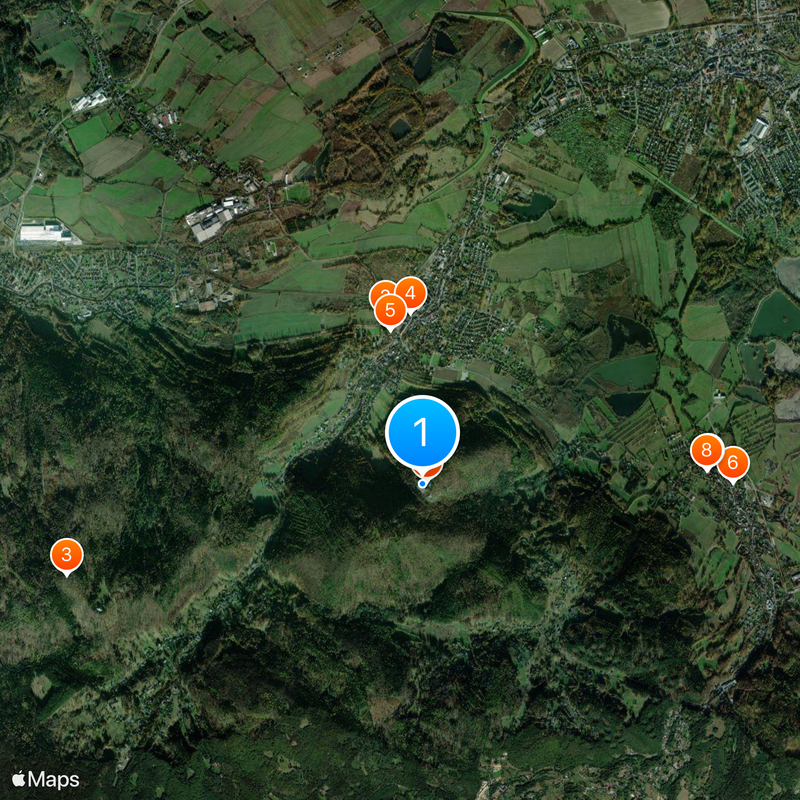
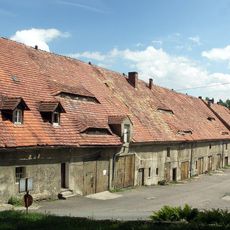
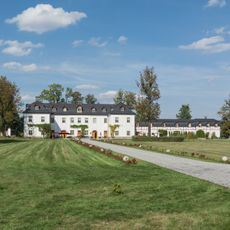
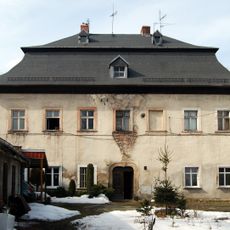
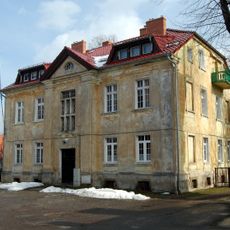
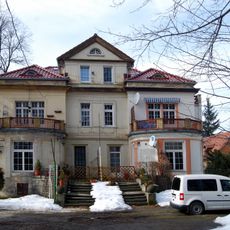
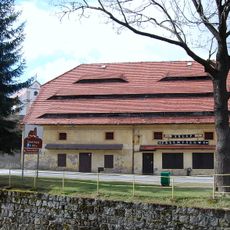
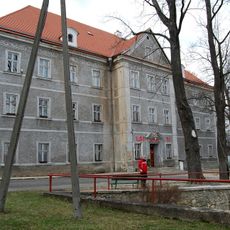
Buildings of former Schaffgotsch estate administration in Jelenia Góra - Sobieszów
1.5 km
Grzybowiec
3.1 km
Sacred Heart church in Jelenia Góra
1.5 km
Saint Martin church in Jelenia Góra
1.3 km
Our Lady of Częstochowa church in Podgórzyn
2.6 km
Kościół św. Trójcy w Podgórzynie
2.4 km
Holy Trinity church in Podgórzyn
2.4 km
Chojnik
40 m
Palace in Pakoszów
2.8 km
Obora
1.4 km
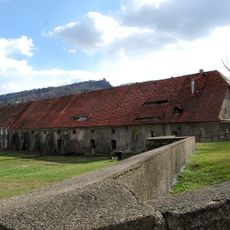
Stodoła
1.3 km
215 Cieplicka Street in Jelenia Góra
1.6 km
Dzwonnica
1.4 km
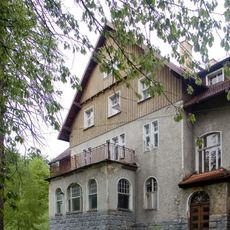
Willa przy ul. Cieplickiej 168 w Jeleniej Górze
1.8 km
Park
2.8 km
160 Cieplicka Street in Jelenia Góra
1.9 km
168 Cieplicka Street in Jelenia Góra
1.8 km
Ogród
1.8 km
Podgorzyn ul.Koszielna 1
2.5 km
Budynek mieszkalno-gospodarczy (wielka stajnia z mieszkaniem stangreta), XVII/XVIII
1.4 km
194 Cieplicka Street in Jelenia Góra
1.5 km
Spichrz
1.3 km
Oficyna (dom zarządcy), ob. nieużytkowany
1.4 km
Siedziba zarządu ordynacji Schaffgotschów, tzw. pałac, ob. szkoła
1.5 km
11 Czecha Street in Jelenia Góra
968 m
8-10 Kręta Street in Jelenia Góra
1.7 km
Rectory of Saint Martin parish in Jelenia Góra
1.5 km
Zachelmie 16b
1.5 kmReviews
Visited this place? Tap the stars to rate it and share your experience / photos with the community! Try now! You can cancel it anytime.
Discover hidden gems everywhere you go!
From secret cafés to breathtaking viewpoints, skip the crowded tourist spots and find places that match your style. Our app makes it easy with voice search, smart filtering, route optimization, and insider tips from travelers worldwide. Download now for the complete mobile experience.
A unique approach to discovering new places❞
— Le Figaro
All the places worth exploring❞
— France Info
A tailor-made excursion in just a few clicks❞
— 20 Minutes