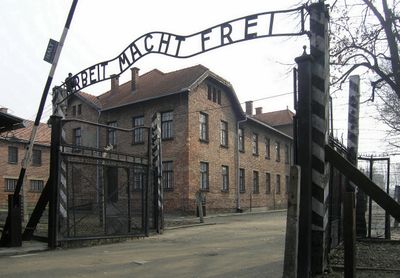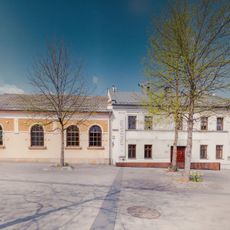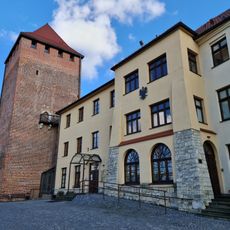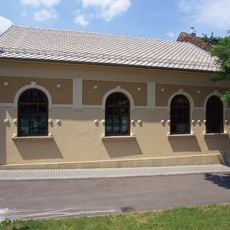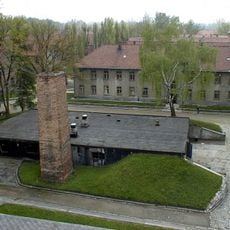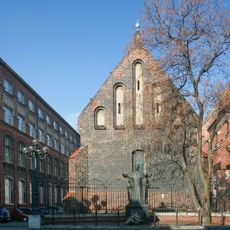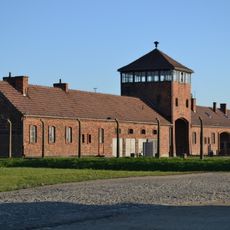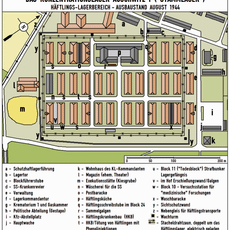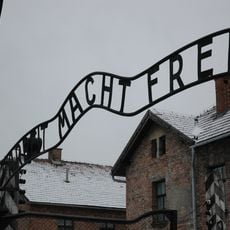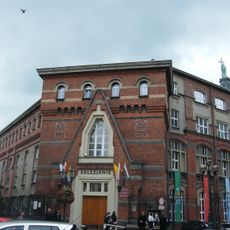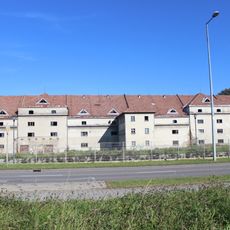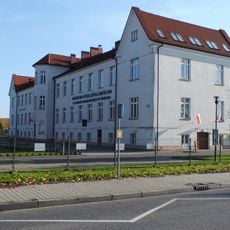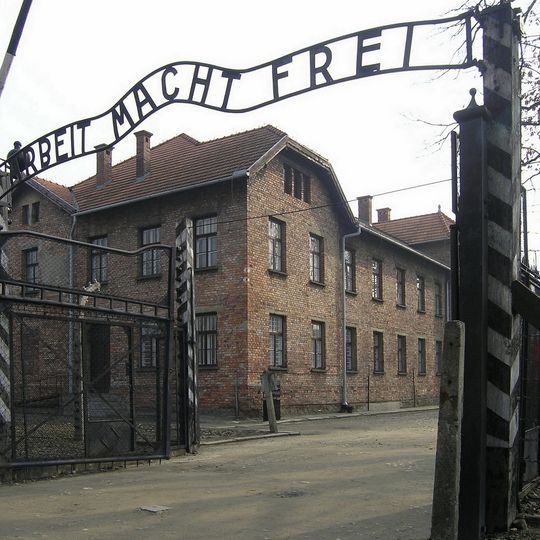
Auschwitz I concentration camp, German Nazi concentration and extermination camp in Oświęcim County, Poland.
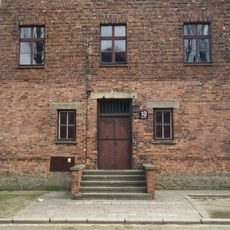
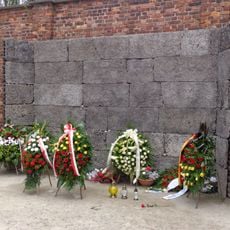
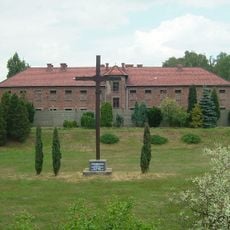
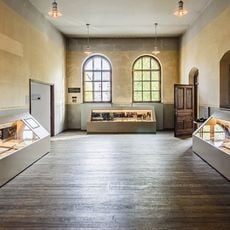
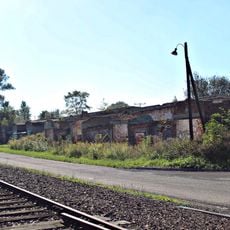
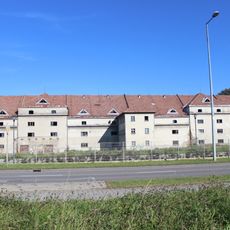
Auschwitz I is a former concentration camp in Oświęcim with preserved barracks, gas chambers, and execution walls from 1940 to 1945. The site later became a museum and holds documents, clothing, and other materials that document the systematic nature of the killings.
The site was established in 1940 by Nazi occupation authorities as a prison for Polish inmates but quickly became a center of mass killing with hundreds of thousands of deaths. Soviet forces liberated it in 1945, revealing the scale of atrocities and making it a symbol of the Holocaust.
Photographs of prisoners on the walls and personal items in glass cases show the lives of those who were held here. These objects tell stories of family, hope, and daily suffering in ways that feel immediate and human.
Visitors can explore the grounds with or without a guided tour, though guided visits provide better context. Sturdy footwear and weather protection are wise since much of the visit is outdoors, and it is important to allow time for reflection.
Prisoners were first tattooed with identification numbers in 1941, a practice unique to this camp and not carried out at other concentration camps. This marking later allowed survivors to be identified and their stories recorded.
The community of curious travelers
AroundUs brings together thousands of curated places, local tips, and hidden gems, enriched daily by 91,283 contributors worldwide.