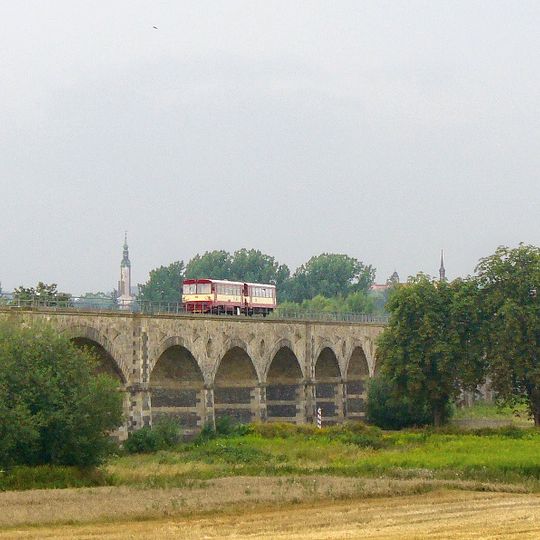
Railway viaduct Zittau–Porajów, Railway bridge in Germany
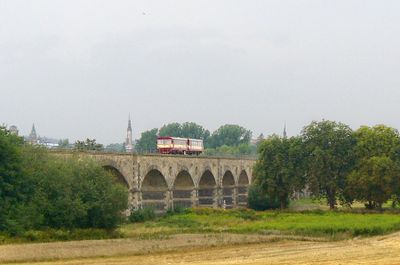
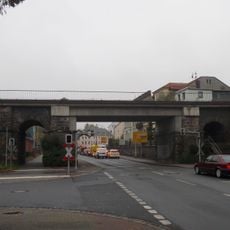
The Railway viaduct Zittau-Porajów is a long stone bridge that crosses the valley and connects two countries, standing about 18 meters high and stretching over 745 meters. The structure features 39 arches that distribute the weight of passing trains evenly, giving it a solid and enduring appearance.
The bridge was built between 1853 and 1859, making it one of the oldest railway bridges still in use in Germany. It has witnessed more than 150 years of history, including border shifts, wars, and regional transformations, while continuing to serve as a vital crossing between two countries.
The bridge connects two nations and serves as a familiar landmark for locals, representing the link between communities across a border. People view it as a symbol of enduring connection between Germany and Poland, a quiet witness to more than a century of regional life.
The viaduct is accessible from footpaths and can be viewed from below or at a distance, though direct access to the railway line itself is limited. The best time to visit is during daylight hours when the stone structure is most visible and passing trains can be observed.
The bridge crosses the border between Germany and Poland along its route without interruption from stations, an unusual design for its time that allowed trains to connect two countries without stopping. This engineering solution reflects the importance of seamless cross-border rail travel in the 19th century.
The community of curious travelers
AroundUs brings together thousands of curated places, local tips, and hidden gems, enriched daily by 91,851 contributors worldwide.