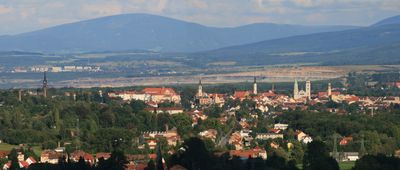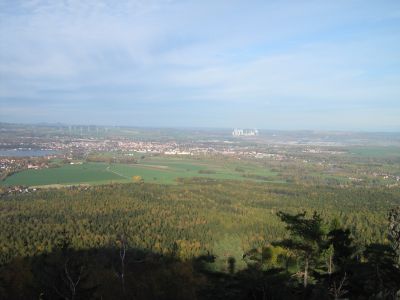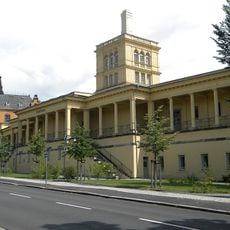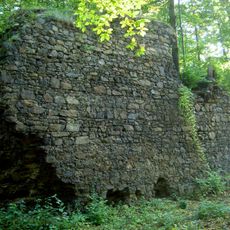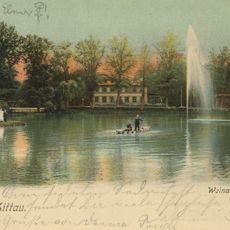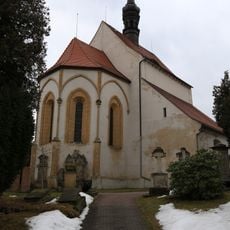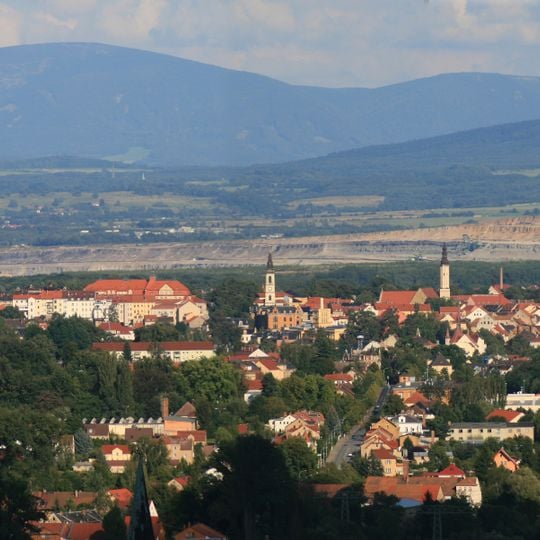
Zittau, Border municipality in southeastern Saxony, Germany.
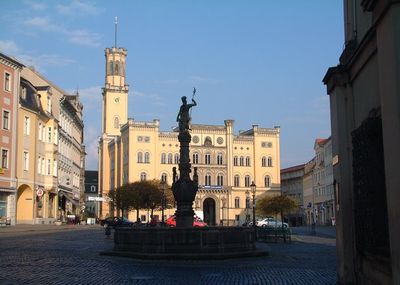
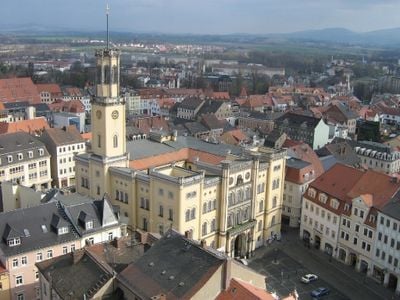
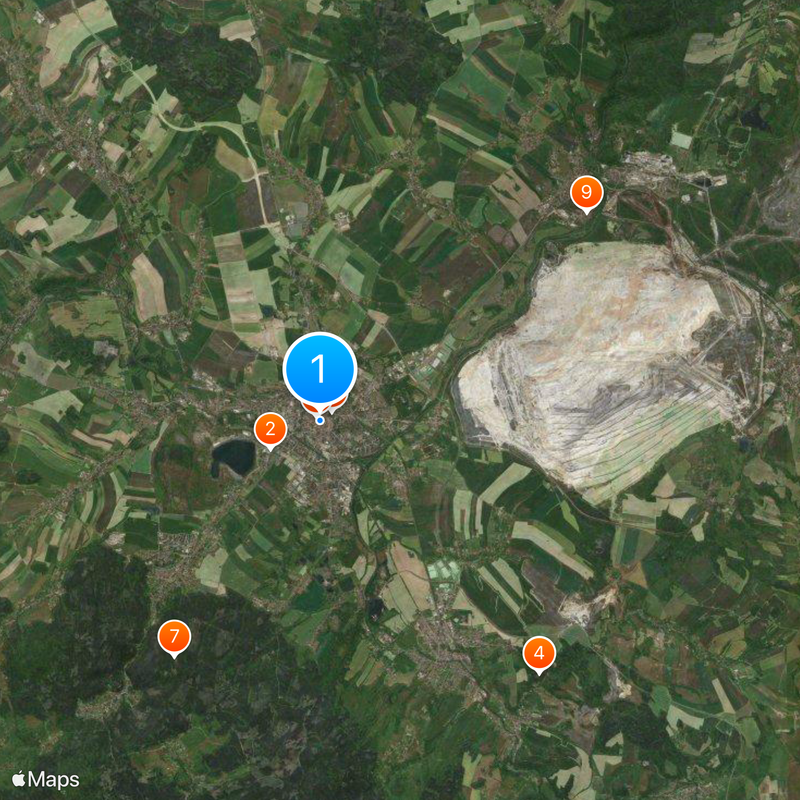
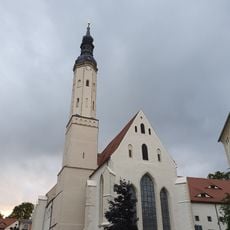
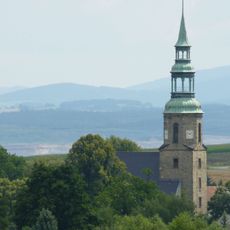
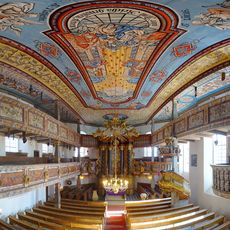
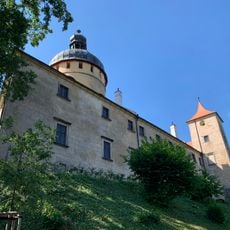
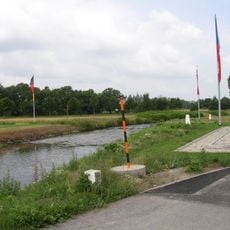
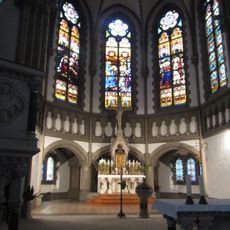
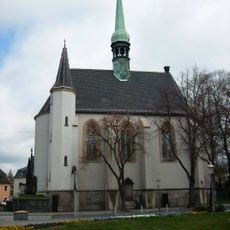
Zittau sits where Germany, Poland and the Czech Republic meet, between the Mandau and Lusatian Neisse rivers at 242 meters elevation. The center preserves buildings from several centuries, including the town hall in Italian style and the Gothic St John's Church.
King Ottokar II of Bohemia granted the Slavic settlement town rights in 1255 and made it a trading center. The settlement developed over centuries at the crossroads of Central European trade routes.
The municipal museum holds the Great Lenten Cloth from 1472, a monumental textile work that tells the passion story across ninety illustrated panels. Visitors can view the detailed scenes and the craftsmanship of medieval weavers up close.
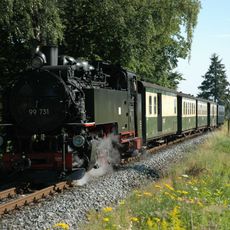
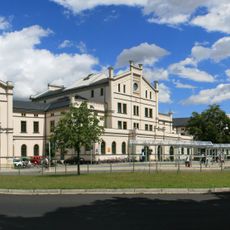
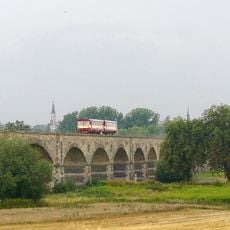
The railway station connects the settlement with Görlitz and Liberec, while a narrow-gauge line runs to the mountain villages of Oybin and Jonsdorf. The old center is easy to explore on foot, as most historic buildings stand close together.
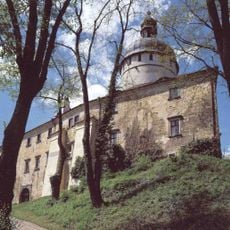
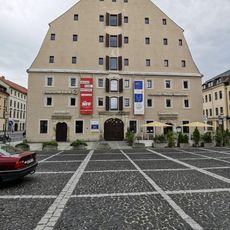
The medieval Salzhaus near the market once stored imported salt that arrived here via trade routes from the south. The building still shows its original function through the thick walls and construction method.
The community of curious travelers
AroundUs brings together thousands of curated places, local tips, and hidden gems, enriched daily by 91,947 contributors worldwide.