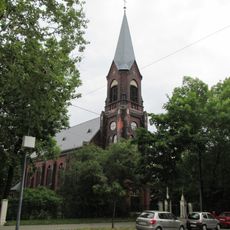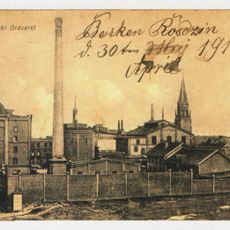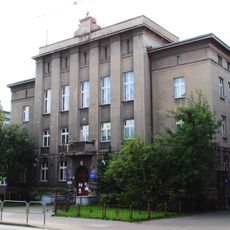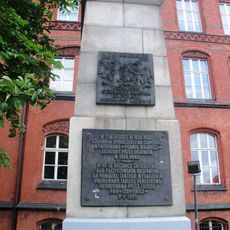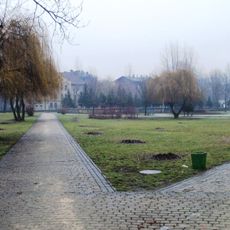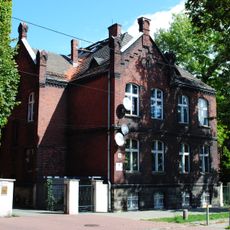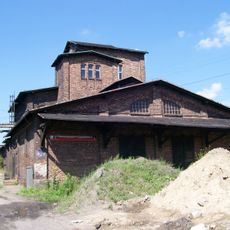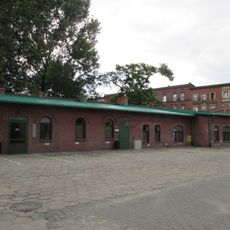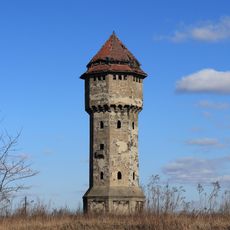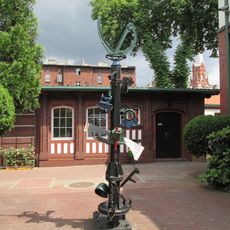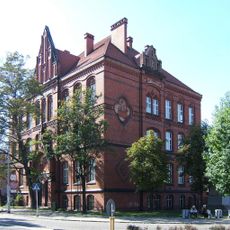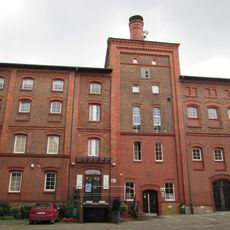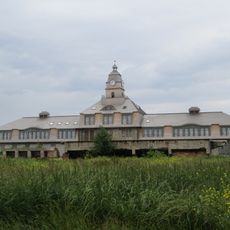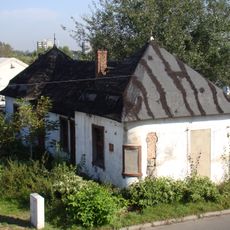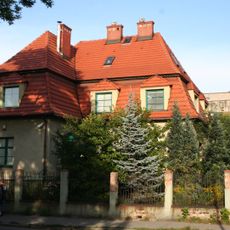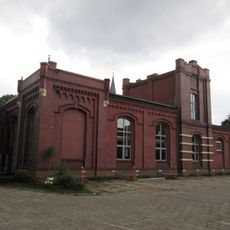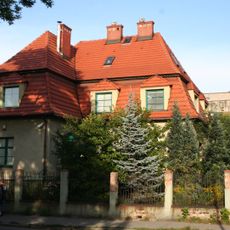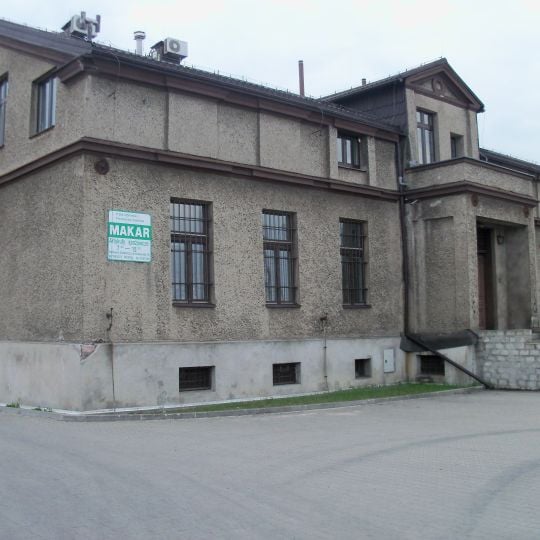
Kolonia Wilhelmina, Industrial residential colony in Szopienice-Burowiec, Poland.
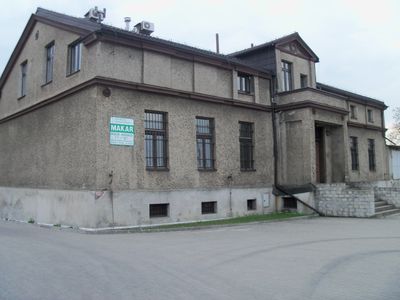
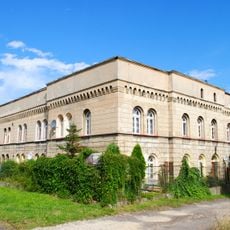
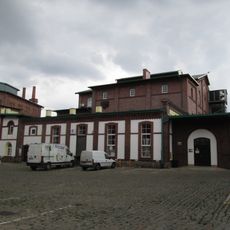
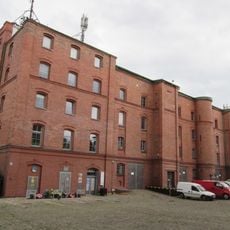
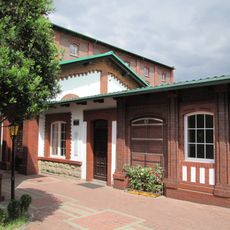
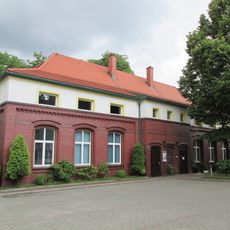
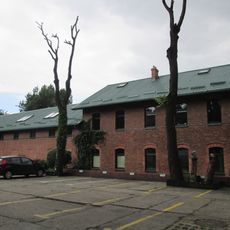
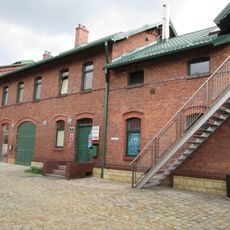
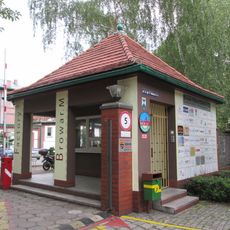
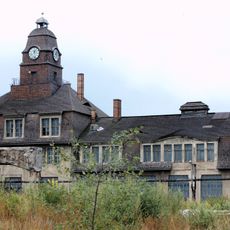
Kolonia Wilhelmina is an industrial workers' settlement in Szopienice-Burowiec, arranged in rows of brick buildings built closely together in a uniform pattern. The structures form a dense neighborhood with narrow streets and interior courtyards that define the residential layout.
The settlement began in 1846 as housing for workers employed at zinc works that had operated since 1834. It grew as part of the industrial expansion that shaped the Katowice region during the 19th century.
The colony displays the modest living spaces where workers and their families shared cramped quarters and communal courtyards. Walking through, you notice how the building layout reflects the daily routines and constraints of industrial-era working families.
The area is accessible for walking and exploration of the residential blocks from the public streets. Weekend visits are preferable to avoid weekday traffic and to get a clearer view of the street layout and building facades.
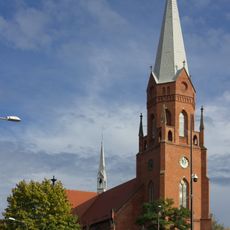
A Catholic school opened on the settlement grounds in 1872 and taught workers' children in the Polish language. This was remarkable for a colony managed by a German corporation and reflects the influence of the local community.
The community of curious travelers
AroundUs brings together thousands of curated places, local tips, and hidden gems, enriched daily by 90,924 contributors worldwide.