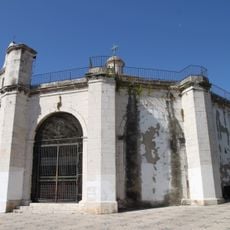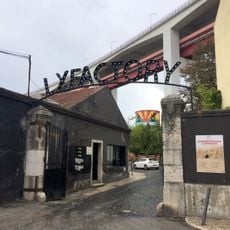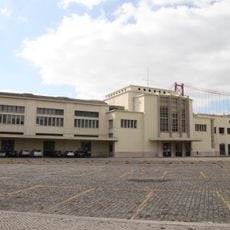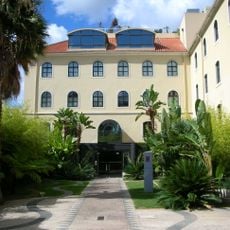
Estado Novo, Former corporatist regime in Lisbon, Portugal
Estado Novo was an authoritarian state that ruled Portugal from 1933 to 1974 through centralized control and strict rules for politics and the economy. The system reached into government offices, schools, and media to monitor public life.
After a military coup in 1926, António de Oliveira Salazar took power and built a centralized authoritarian state that lasted decades. His rule ended in 1974 with the Carnation Revolution, which restored a democratic system.
The government promoted Catholic values and national pride through schools, media, and public events that shaped how people thought and behaved. This control over information and education affected generations of Portuguese people.
Today visitors can explore museums, monuments, and archives that document and explain this period of Portuguese history. Walking tours help you understand how this system affected daily life and society.
The regime monitored daily life through a secret police force that pursued dissidents and enforced strict censorship in all media. This complete control affected private conversations, culture, and how people moved in public spaces.
The community of curious travelers
AroundUs brings together thousands of curated places, local tips, and hidden gems, enriched daily by 60,000 contributors worldwide.