Artificial caves of Alapraia, Archaeological burial site in Estoril, Portugal
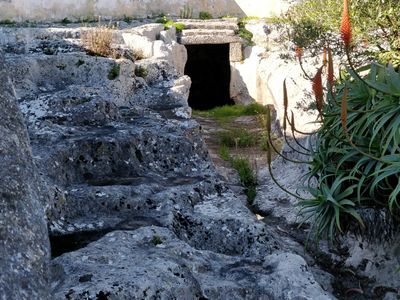
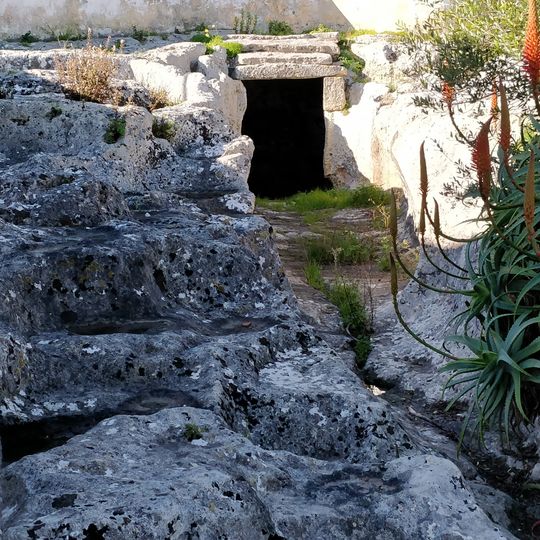
The Alapraia caves are a complex of four subterranean tombs carved into marl limestone, each with a circular chamber featuring a central opening above and a long passageway leading to it. The chambers range from about 4 to 6 meters in diameter, while the corridors extend up to about 14 meters in length.
A researcher named Francisco de Paula Oliveira found these caves in 1889, and the Portuguese government later funded major excavation campaigns between 1932 and 1943. These scientific efforts revealed that the site dated back to the Neolithic period and provided valuable insights into ancient burial practices in this region.
These caves show how people from the Late Neolithic period buried their dead, arranging bodies along chamber walls with ritual objects placed nearby. The burial layout tells us about the spiritual beliefs and social organization of those ancient communities.
Access is limited, and you should check ahead about current visiting conditions since these caves are fragile and may not be accessible to everyone. A guided tour or prior research about the site's rules will help you make the most of your visit.
The special central openings earned these caves the name coelheira-type, as they provided alternative entry points when the corridors became blocked. This clever design by prehistoric builders ensured the burial chambers remained accessible even under challenging conditions.
The community of curious travelers
AroundUs brings together thousands of curated places, local tips, and hidden gems, enriched daily by 91,977 contributors worldwide.