Mosteiro de Santa Maria das Júnias, Cistercian monastery ruins in Pitões das Júnias, Portugal
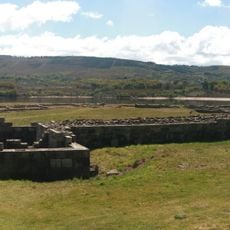
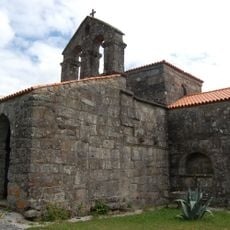
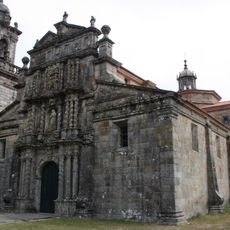
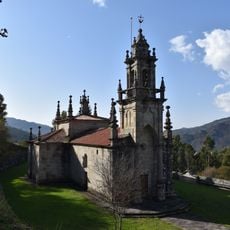
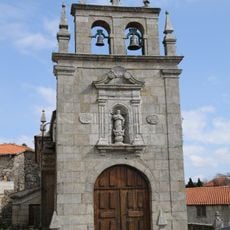
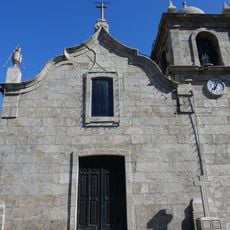
Mosteiro de Santa Maria das Júnias is a ruined monastery whose church, built in the first half of the 12th century, stands in a narrow valley near the Galician border. Its single nave ends in a well-preserved apse, and the west facade has a Romanesque portal with a tympanum pierced by a Maltese cross. Three arches of the Romanesque cloister survive, and the kitchen still has its pyramidal chimney.
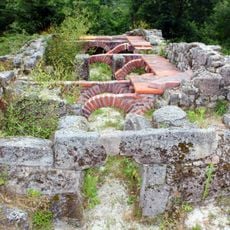
A pre-Romanesque hermitage founded in the 9th century preceded the present monastery, built in the first half of the 12th century and occupied by Benedictine monks. In 1248 the community joined the Cistercian Order and was attached to Oseira Abbey in Galicia. A fire in the second half of the 19th century ruined many convent buildings.
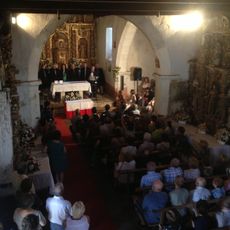
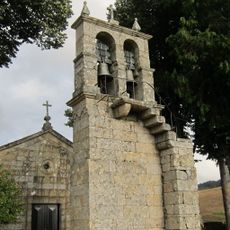
The monastery church hosts an annual romaria on 15 August, drawing people from Pitões das Júnias and neighbouring villages. The monastery also developed a flourishing pilgrimage tradition over the centuries. The church is the only structure still standing from the monastic complex.
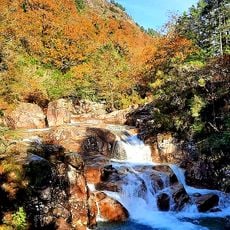
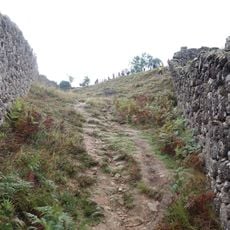
Reaching the monastery requires descending approximately 200 meters (650 feet) into a remote gorge, so some physical preparation is advisable. Its location in an isolated mountain valley means visitors should allow ample time and expect limited facilities in the area.
In a north-facing side window of the apse stands a recumbent statue of a monk. Local people read it as a marker of the highest flood level reached by the stream over the centuries, turning a carved figure into a record of the water's rise.
The community of curious travelers
AroundUs brings together thousands of curated places, local tips, and hidden gems, enriched daily by 93,260 contributors worldwide.