Kruševac, Medieval fortress and religious center in central Serbia
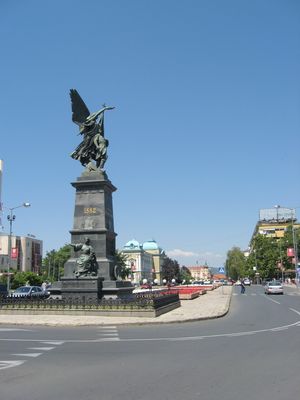
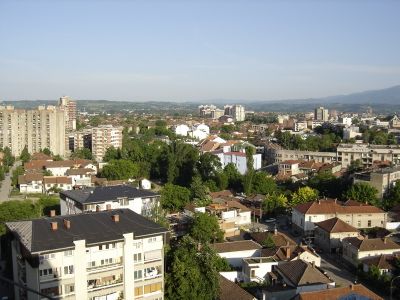
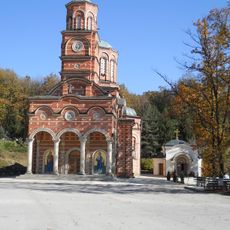
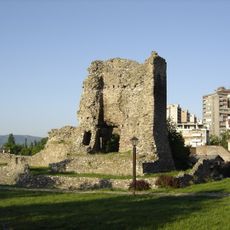
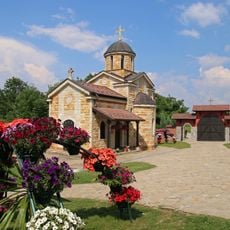
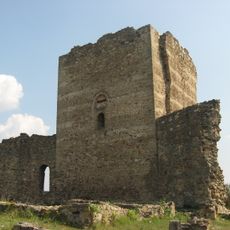
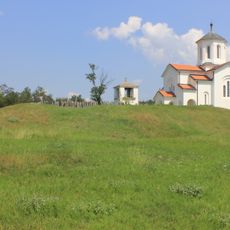
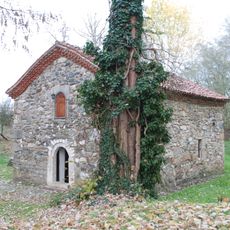
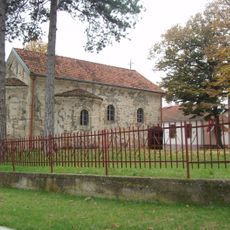
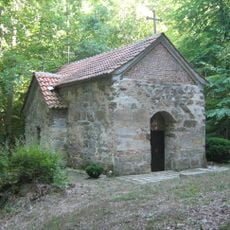
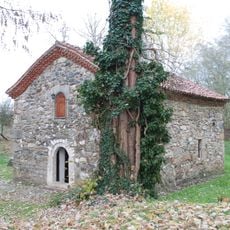
The settlement extends through the valley of the West Morava along the Rasina River, surrounded by medieval monasteries and historical constructions. The downtown area features industrial zones with international manufacturing facilities, while Orthodox churches and stone fortress remnants occupy the older section.
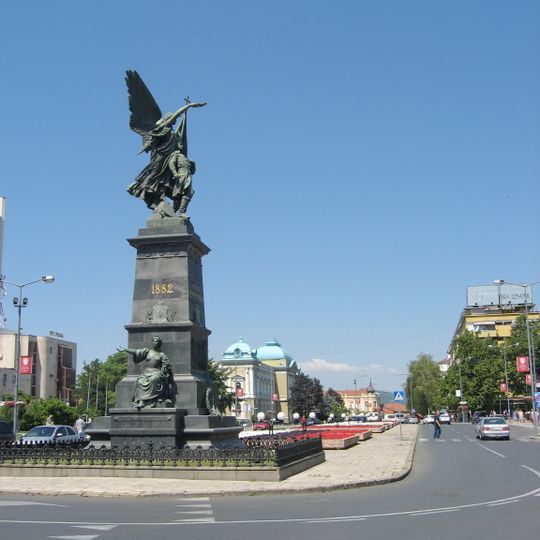
Prince Lazar founded the settlement in 1371 as the capital of medieval Serbia. After his defeat at the Battle of Kosovo in 1389, it remained a political center until Ottoman conquest in the early 15th century. During Turkish rule, the site served as an administrative seat until liberation in the 19th century.
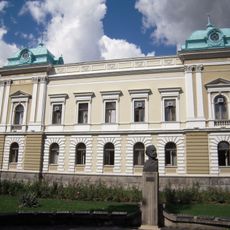
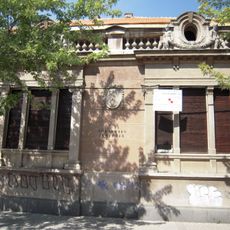
The National Museum preserves archaeological finds spanning six millennia, from Neolithic objects through 20th-century exhibits, housed in a Neoclassical building. The institution documents regional developments from prehistoric through modern periods and conducts scholarly research on local history.
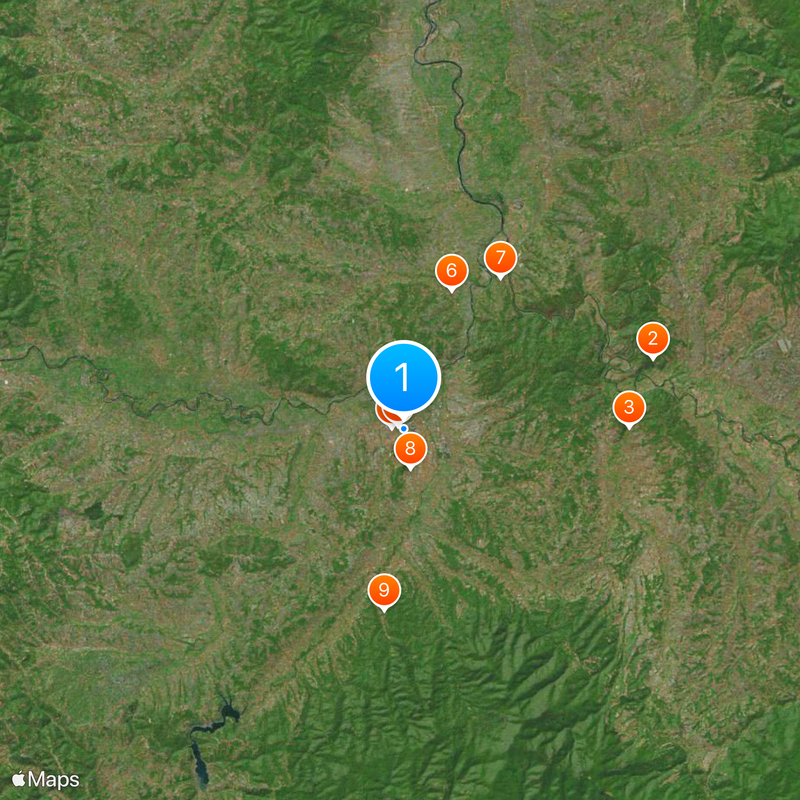
The industrial center hosts free economic zones with manufacturing plants of international firms including Trayal Corporation and Cooper Tire & Rubber Company Serbia. Public transportation connects downtown with surrounding regions, while hotels and restaurants serve visitors in the central area. Monasteries and memorial sites lie within an hour's drive from the urban core.
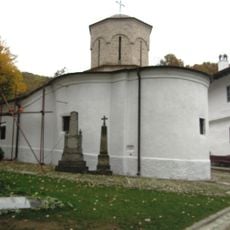
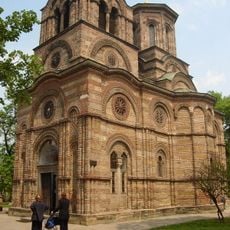
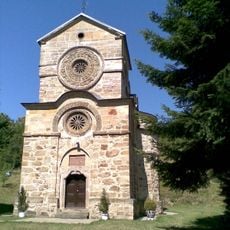
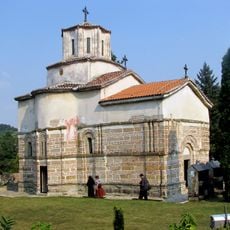
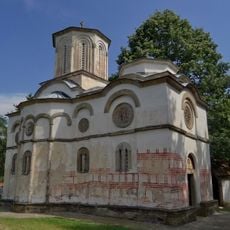
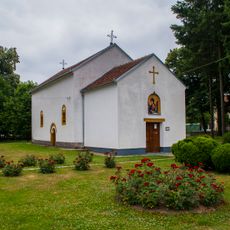
The 14th-century Lazarica Church displays Morava architectural style with a trefoil floor plan, elaborate stone carvings, and a central Byzantine dome. Architects combined Byzantine elements with Serbian traditions, creating a regional style pattern. Sculpted friezes and polychrome ceramic decorations adorn the exterior walls of the building.
The community of curious travelers
AroundUs brings together thousands of curated places, local tips, and hidden gems, enriched daily by 90,779 contributors worldwide.