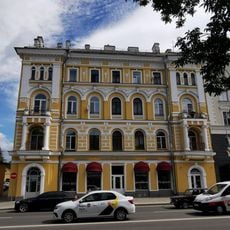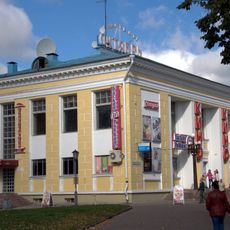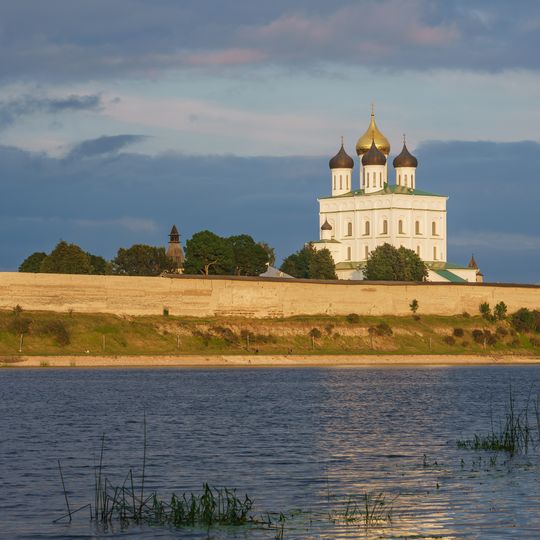
Pskov, Historic trade center in northwestern Russia.
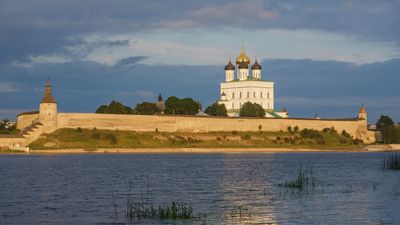
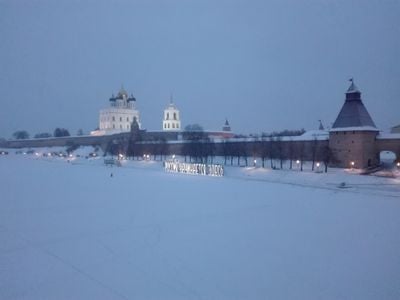
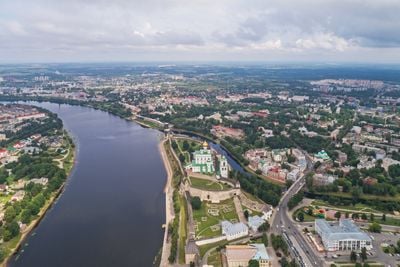
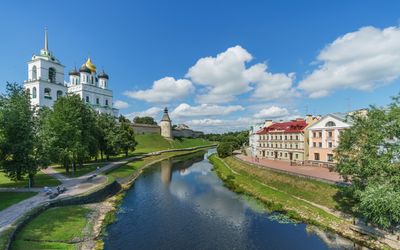
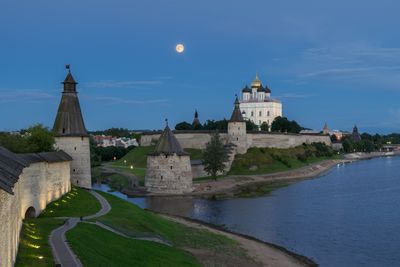
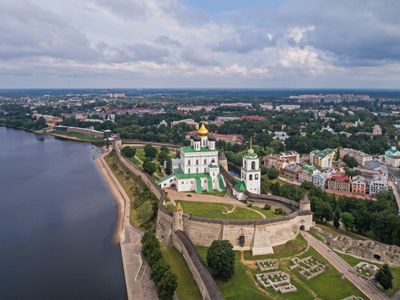
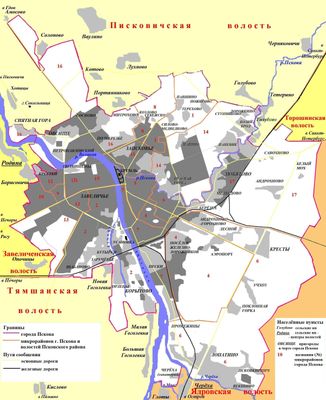
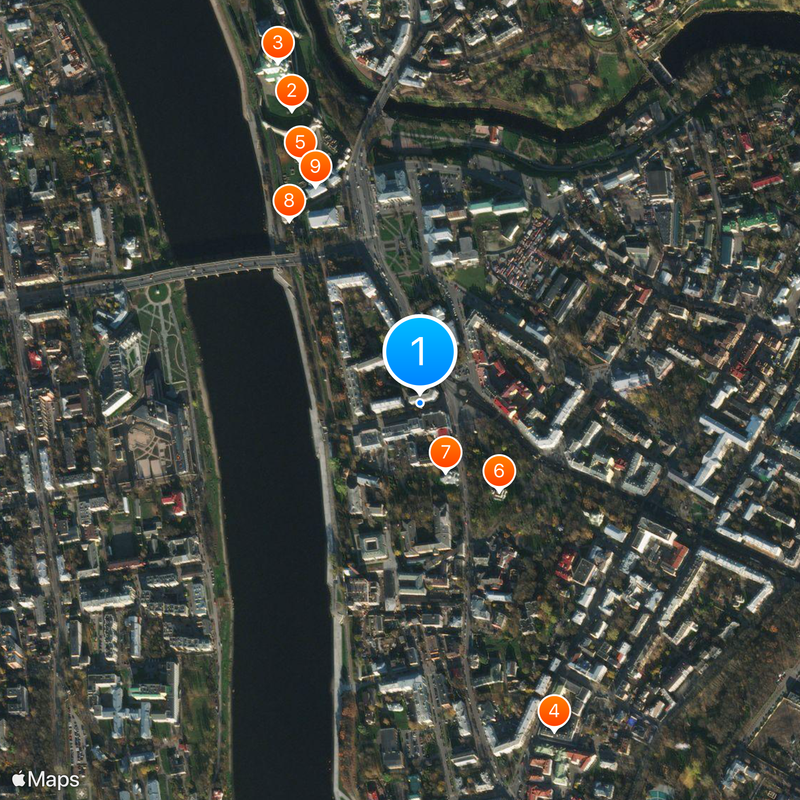
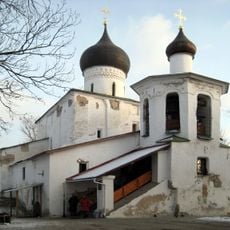
Pskov is a city in northwestern Russia where two rivers meet, defined by medieval stone walls and church towers built from pale limestone. The settlement spreads across both riverbanks, with narrow lanes in the old center and wider streets in the outer districts, while the kremlin sits on a rise above the water.
A settlement existed here by the 10th century, growing over time into a major trading hub that connected Russian lands with Baltic ports through the Hanseatic network. Over the following centuries, residents expanded the fortifications to defend against attacks from the west, until the town lost its military importance in the 18th century.
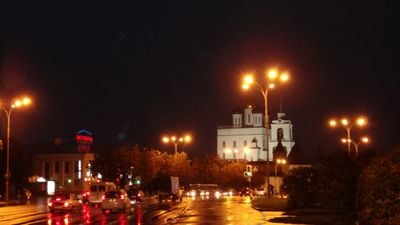
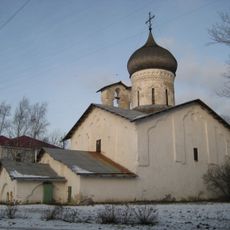
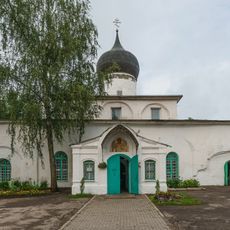
On feast days, locals gather for worship in the city's Orthodox churches, and the ringing of bells marks the rhythm of daily life. Along the streets near the old walls, residents sit on benches outside their homes talking with neighbors, while families stroll beside the Velikaya River and children play among the old stone buildings.
Trains depart several times a day for Saint Petersburg, Moscow and other major Russian cities from the station. Visitors exploring on foot will find that many sites in the old town are within easy walking distance, while outer neighborhoods are accessible by public transport.
The defensive system includes 40 towers and roughly 6 kilometers (almost 4 miles) of walls, placing it among the largest preserved medieval fortification complexes in northern Europe. In some sections, visitors can still walk through old passageways and chambers that once served the guards.
The community of curious travelers
AroundUs brings together thousands of curated places, local tips, and hidden gems, enriched daily by 92,112 contributors worldwide.