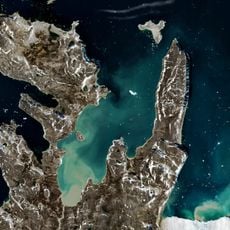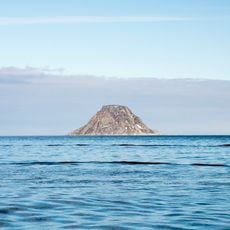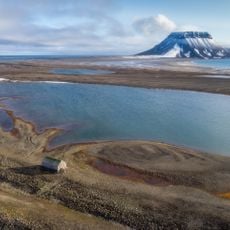
Arctic desert, WWF ecoregion in northern Russia.
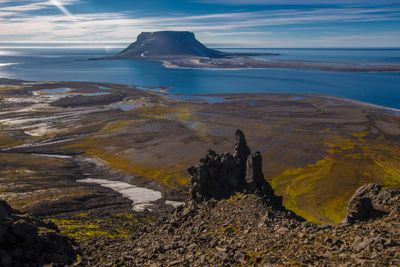
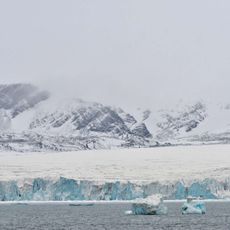
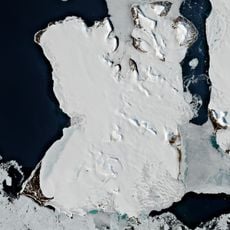
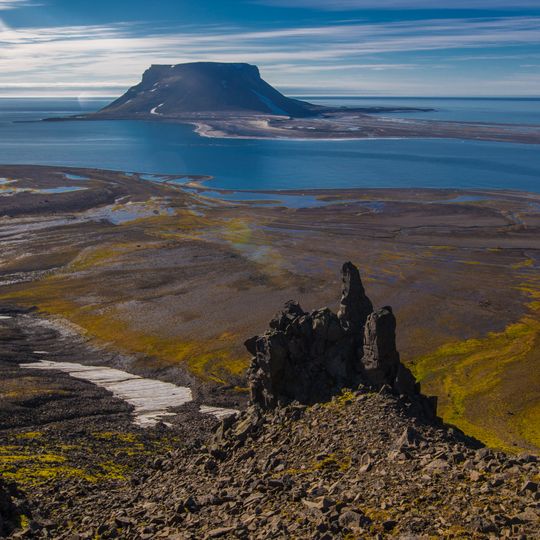
This ecoregion consists of several Russian island groups in the Arctic Ocean, including Severnaya Zemlya, Novaya Zemlya, and the New Siberian Islands. Ice and permanent frost cover the entire surface during most of the year, broken only by brief periods with little exposed rock and sparse vegetation.
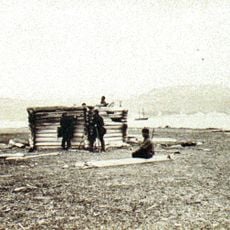
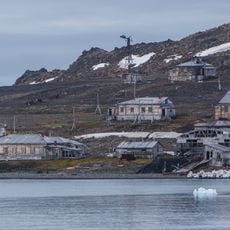
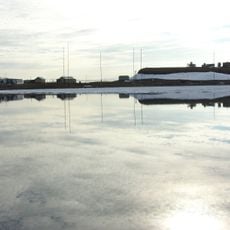
Russian polar explorers mapped these islands between the 18th century and the early 1930s during several expeditions. Soviet authorities later established weather stations on some of the islands to collect climatic data from the high Arctic.
The population of under 200 people in Billings maintains traditional crafts while operating weather stations along the East Siberian Sea coast.
Travel to these areas requires specialized vessels with icebreaker capabilities departing from ports in northern Russia. Most expeditions take place during the short Arctic summer when conditions are slightly milder and some waters become navigable.
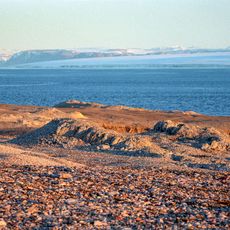
The few mosses and lichens growing here take decades to reach even a few centimeters. Footprints or other traces of human presence therefore remain visible for a very long time, sometimes over several years.
The community of curious travelers
AroundUs brings together thousands of curated places, local tips, and hidden gems, enriched daily by 90,828 contributors worldwide.