Russian Arctic National Park, National park at northern archipelagos, Russia
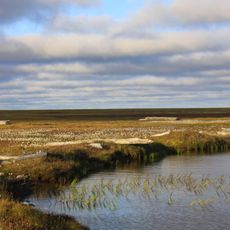
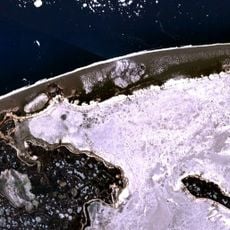
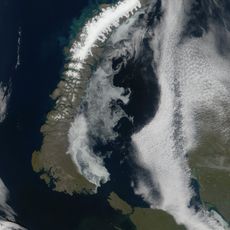
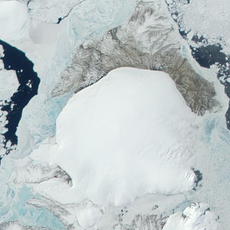
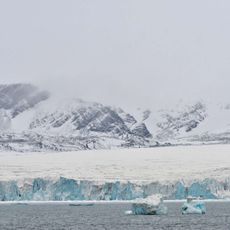
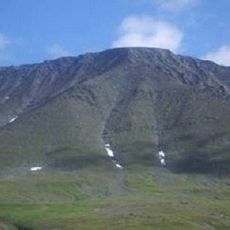
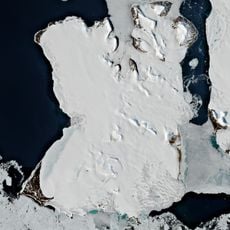
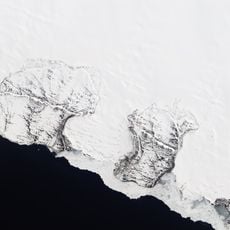
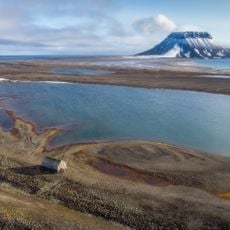
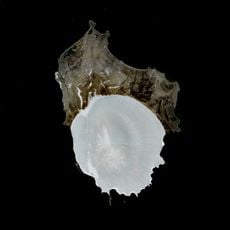
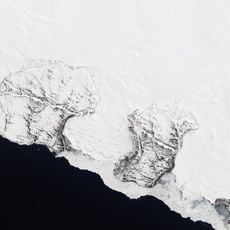
The Russian Arctic National Park, established in June 2009 and expanded in 2016, covers about 74,000 km2, of which 16,000 km2 is land and 58,000 km2 is sea. It takes in the northern part of Novaya Zemlya (Severny Island) and the Franz Josef Land archipelago in Arkhangelsk Oblast. The land is ice, glaciers and bare rock, with walrus and seal rookeries and one of the Northern Hemisphere's largest seabird colonies.
The park was established in 2009 to protect these Arctic islands and their ecosystems, and later in 2016 the Franz Josef Land Nature Reserve was integrated into it. These steps marked Russia's commitment to safeguarding these remote and fragile territories in the far north.
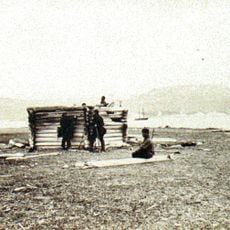
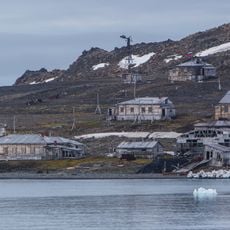
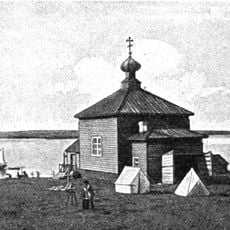
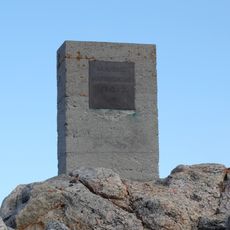
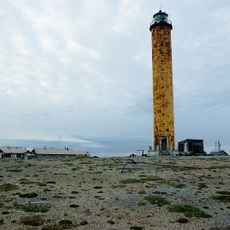
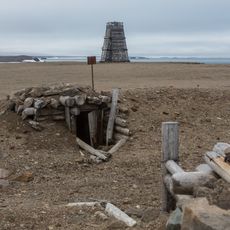
The park's cultural sites include the wintering grounds of Dutch navigator Willem Barentsz, who opened these lands to western Europeans, and of Russian Pomor hunters who reached them earlier. Places tied to polar explorers Rusanov and Sedov also lie within its boundaries. At Tikhaya Bay, a former polar station now serves as a museum, and since 2014 the world's northernmost Russian Post branch has operated there.
The area is only accessible by ship during the summer months from July to September when ice conditions permit travel. Visitors must obtain special permits and join organized expeditions with experienced guides, as exploring here demands careful planning and preparation.
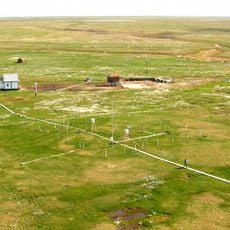
Tikhaya Bay, on Hooker Island in Franz Josef Land, occupies a former polar station converted into a museum; a seasonal field base there has operated since 2012 and sleeps up to 20. Since 2014 it has housed the world's northernmost branch of Russian Post, with a souvenir shop, and in 2019 a multifunctional visitor centre opened.
The community of curious travelers
AroundUs brings together thousands of curated places, local tips, and hidden gems, enriched daily by 93,722 contributors worldwide.