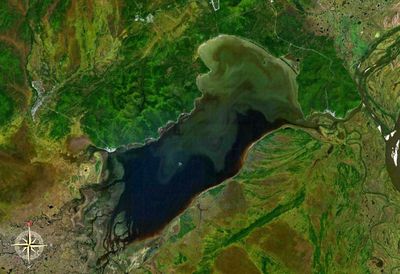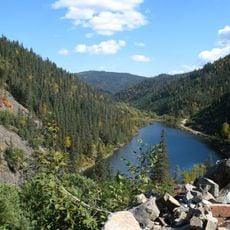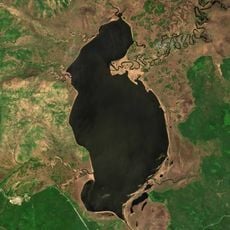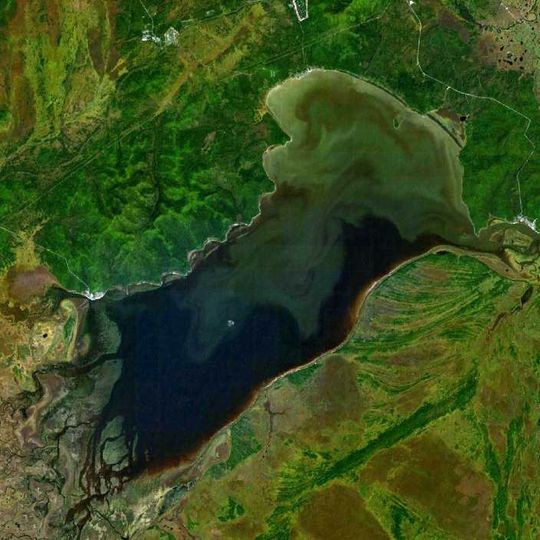
Bolon, Protected lake and Ramsar site in Khabarovsk Krai, Russia.
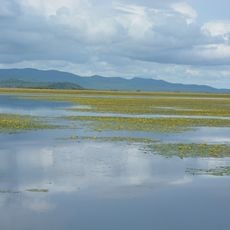
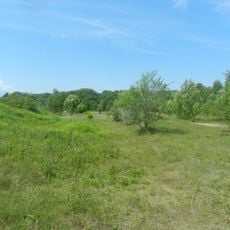
Lake Bolon is a large body of water located in the floodplain of the Amur River in the Russian Far East, covering approximately 338 square kilometers. The lake reaches depths of about 4 meters and connects to the Amur through a 9-kilometer channel that allows water to flow between the two.
The lake and surrounding region have been part of human settlement and resource use in the Amur area for centuries among indigenous populations. The establishment of Bolon Nature Reserve in 1997 marked formal recognition of its ecological value and introduced stricter conservation protections.
The Nanai people maintain their traditional practices near Lake Bolon, incorporating fishing methods and natural resource management passed down through generations.
The lake is difficult to reach as the nearest larger settlements are some distance away and the region remains relatively isolated. Visitors should prepare well in advance and consider hiring local guides, as infrastructure is limited.
The lake serves annually as a stopover for millions of migratory birds, including rare species such as the Far Eastern stork and Steller's sea eagle. These bird migrations make the site a place of international conservation importance.
The community of curious travelers
AroundUs brings together thousands of curated places, local tips, and hidden gems, enriched daily by 91,075 contributors worldwide.