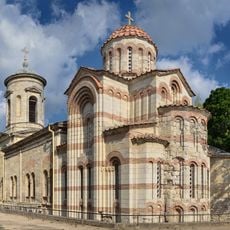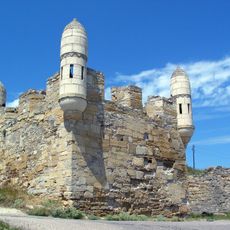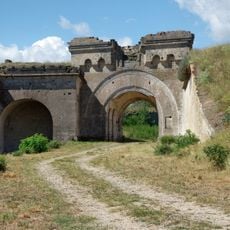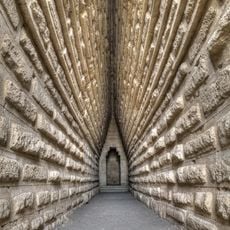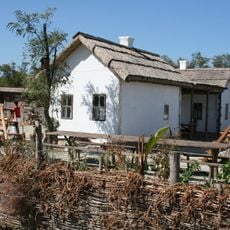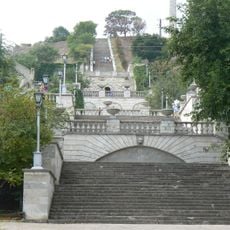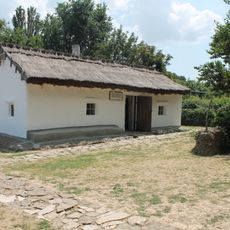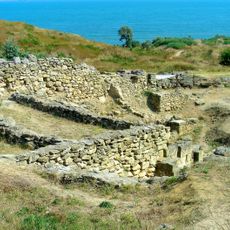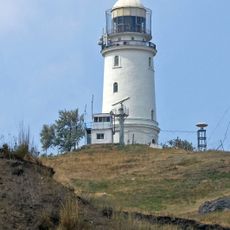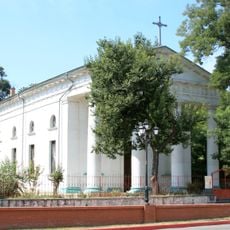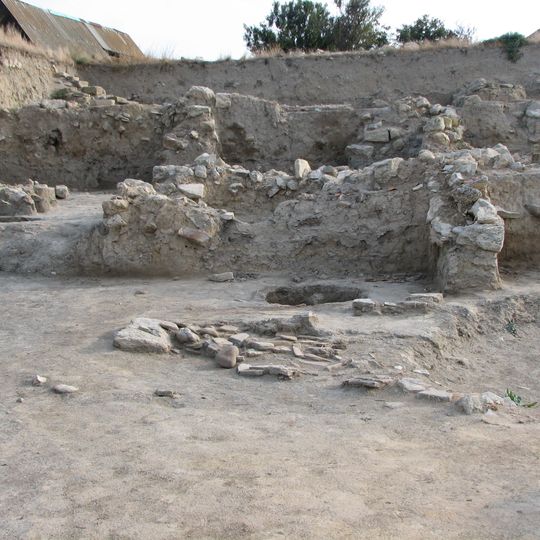
Давньогрецька Гермонаса, Archaeological site in Taman, Russia.
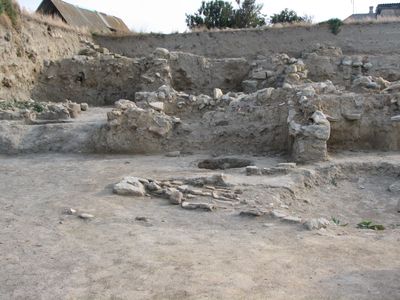
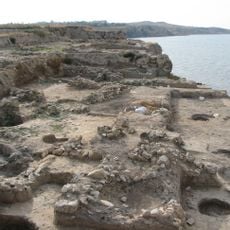
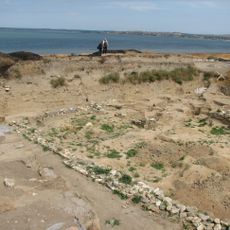
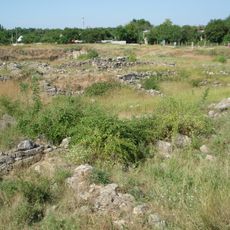
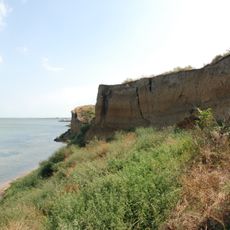
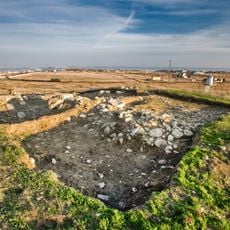
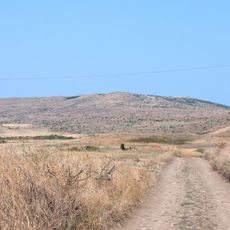
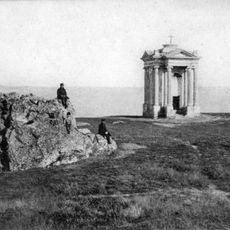
Davno-Hretska Hermona-sa is an archaeological site on the Azov Sea coast where remains of ancient walls, foundations, and artifacts from several centuries of continuous settlement can be seen. The grounds display overlapping traces of different periods in a single location.
The settlement was founded in the 6th century BCE as an ancient city and later underwent major transformations when it came under the control of Kievan Rus. In the 10th century, it became the capital of the Tmutarakan principality.
The site displays evidence of multiple civilizations through pottery, gravestones, and building fragments that visitors can encounter while exploring. These objects tell stories of the different peoples who lived here and left their marks on the landscape.
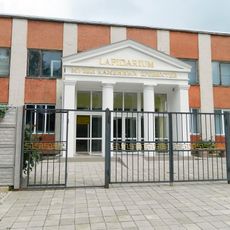
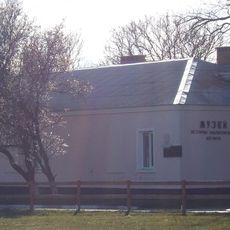
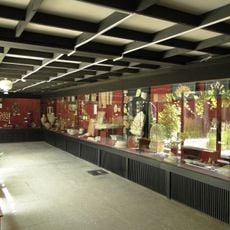
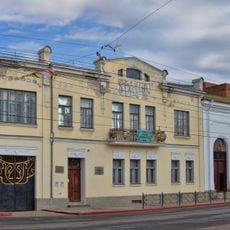
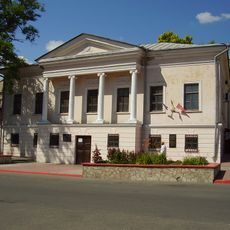
Visitors should explore the grounds on foot to properly observe the scattered remains and excavation areas. An on-site museum displays finds and is easy to access for additional information.
Coastal erosion constantly threatens parts of the ancient city, forcing archaeologists to dig quickly before important areas fall into the sea. This creates new discoveries that keep expanding understanding of how the settlement developed over time.
The community of curious travelers
AroundUs brings together thousands of curated places, local tips, and hidden gems, enriched daily by 91,791 contributors worldwide.