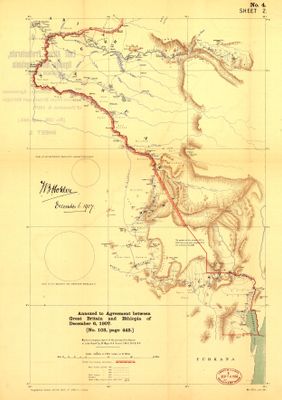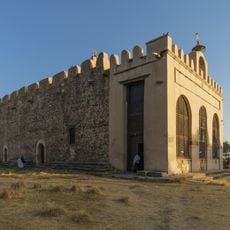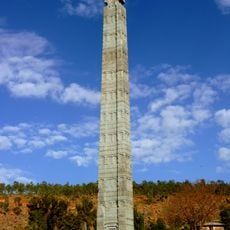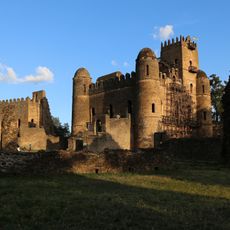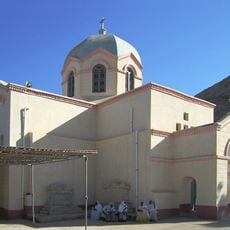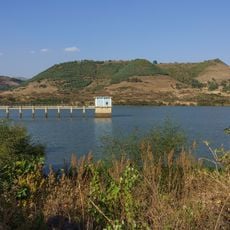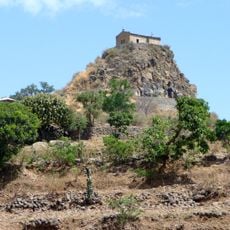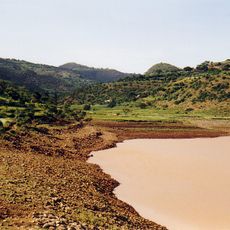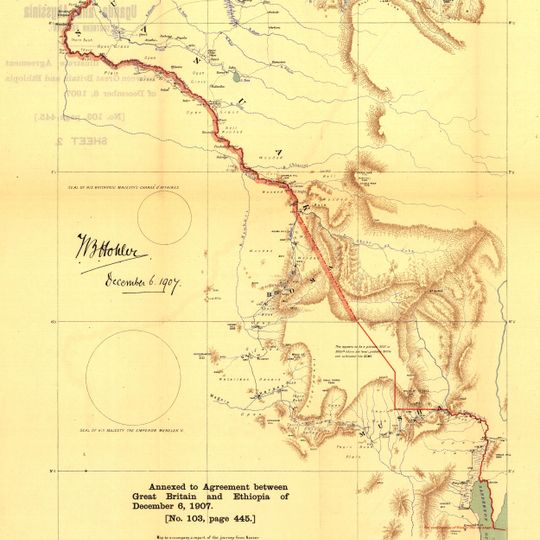
Ethiopia–Sudan border, international border
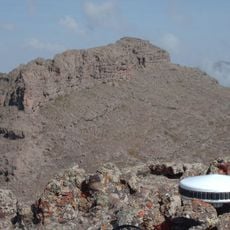
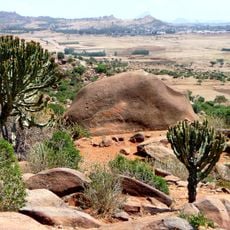
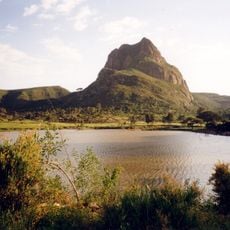
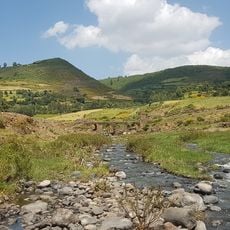
The Ethiopia-Sudan border is a land boundary dividing two countries and extending for many kilometers. The terrain is mostly flat with occasional hills and dry plains, and people regularly cross the border on foot or in small vehicles.
Historically, this border was less defined, with nomadic tribes and pastoralists moving freely across the land. Modern political boundaries have changed how people live and travel here, and the area served as a trade route for merchants and travelers for centuries.
The border region is shaped by local communities that have maintained long-standing connections across the national boundary. People from both sides often view each other as kin, despite the political divisions that separate them.
Travelers should prepare their paperwork and bring their passport, visa, and other required documents. The border crossing happens in two sections, where Ethiopian and Sudanese officials take photos, fingerprints, and stamps in your passport, a process that generally takes about an hour depending on how busy the crossing is.
Since April 2023, this crossing has experienced dramatic change as conflict in Sudan triggered mass displacement, with over a million people leaving their homes. International organizations like the IOM and UNHCR have established emergency shelters and registration centers at the crossing to assist refugees and returning nationals.
The community of curious travelers
AroundUs brings together thousands of curated places, local tips, and hidden gems, enriched daily by 90,804 contributors worldwide.