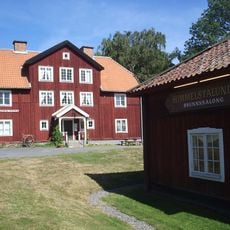
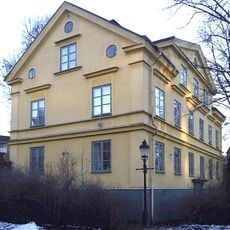
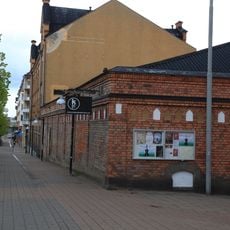
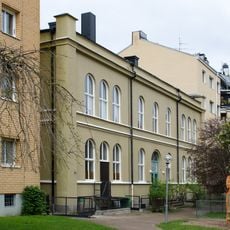
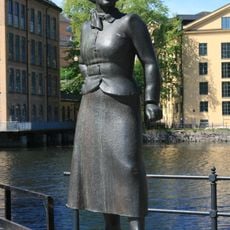
Himmelstalund, Archaeological park in Norrköping, Sweden.
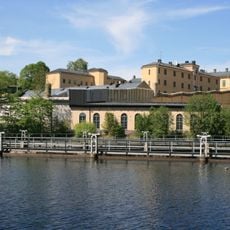
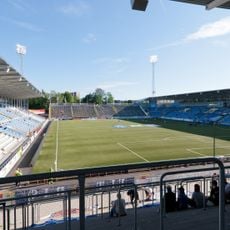
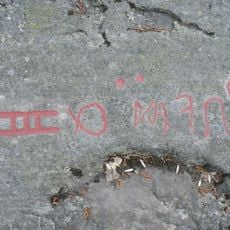
Himmelstalund is an open-air area and ancient monument site in western Norrköping, divided by the Motala ström into a northern and a southern part. The southern part holds sports facilities including Stadium Arena and Himmelstalundshallen, while the northern part contains 57 rock-carving panels with about 1,660 figures, among them 622 ships and a 22-metre row of bear tracks on Björnhällen.
The rock carvings were created during the Bronze Age roughly 3,600 years ago. The site was first studied scientifically in 1871, marking the start of more intensive archaeological investigation.
The rock carvings show scenes of daily life from the Bronze Age, such as people hunting or traveling by boat. They offer a window into what ancient Scandinavians valued and how they saw their world.
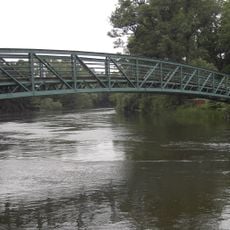
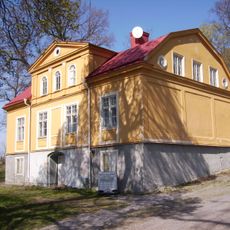
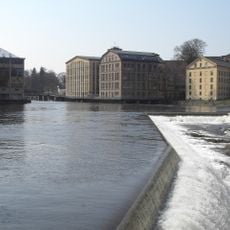
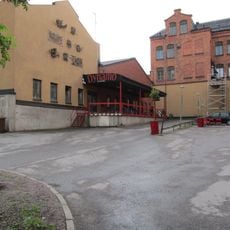
The site is split by the Motala ström, with the rock-art fields on the northern side and the sports and exhibition grounds to the south; a foot and cycle path links the northwestern and southwestern districts across the flat field. The carvings cluster on three slabs, Björnhällen, Svinhällen and Yxhällen, and an allé runs east from the manor to the mineral spring area.
Around 60 panels of rock art form one of the densest collections of Bronze Age carvings across Scandinavia. This high concentration of ancient depictions in a small area is rare and makes the site particularly valuable.
The community of curious travelers
AroundUs brings together thousands of curated places, local tips, and hidden gems, enriched daily by 94,020 contributors worldwide.