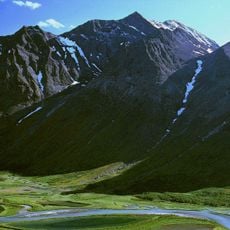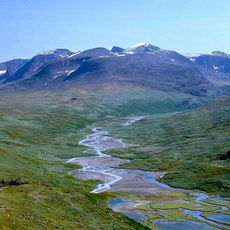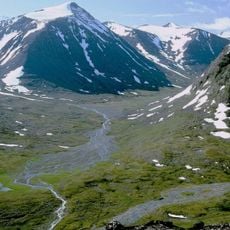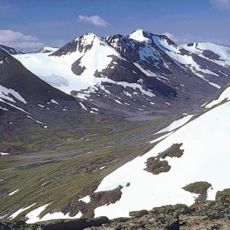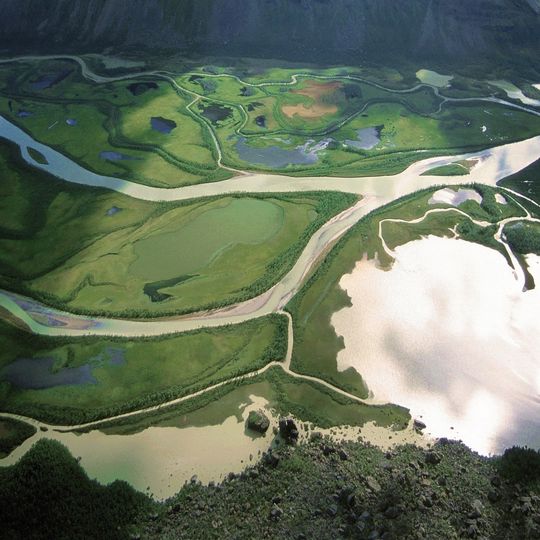
Laponian National Park, UNESCO World Heritage wilderness in Gällivare, Arjeplog, and Jokkmokk municipalities, Sweden
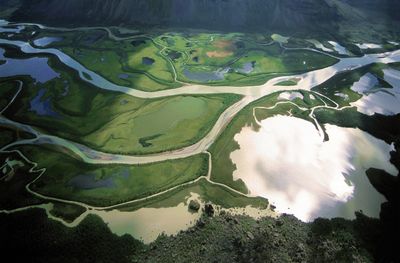
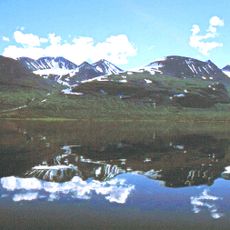
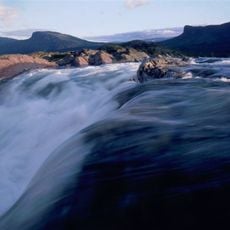
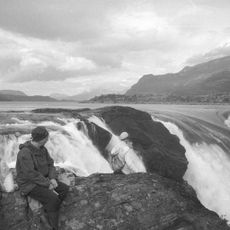
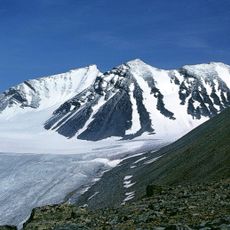
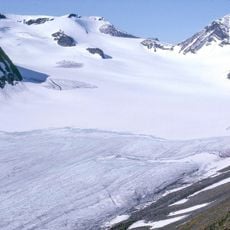
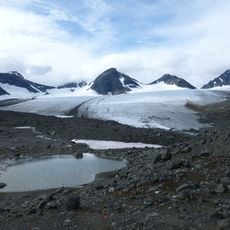
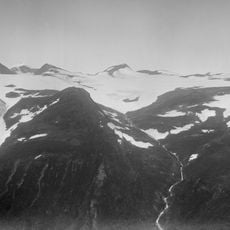
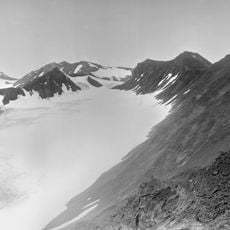
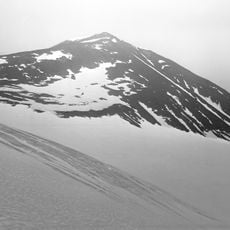
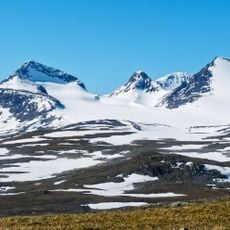
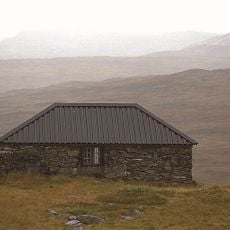
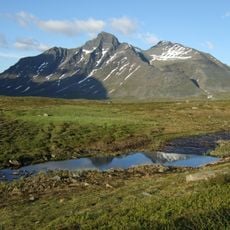
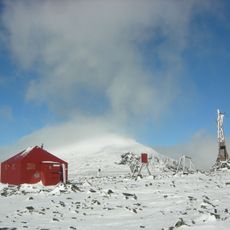
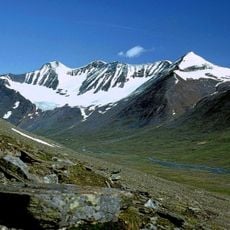
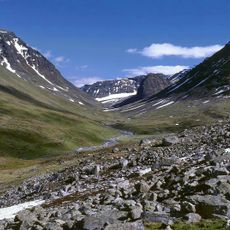
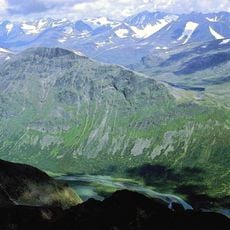
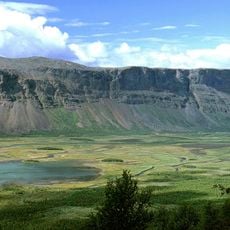
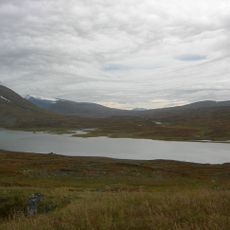
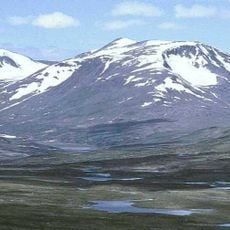
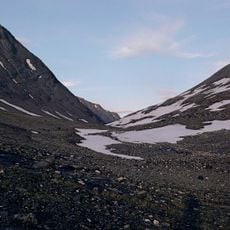
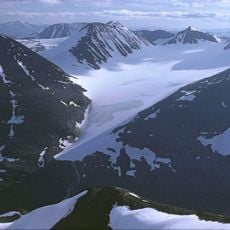
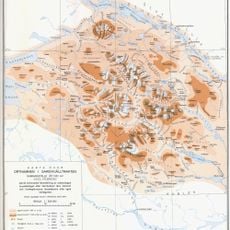
Laponian National Park is a large Arctic region in northern Sweden with mountains, glaciers, wetlands, and dense forests that shape its landscape. The terrain shifts between open plateaus, jagged mountain ranges, and vast forest areas that define the character of this northern wilderness.
The area became a UNESCO World Heritage site in 1996, recognizing thousands of years of human settlement and unique natural formations. This designation reflects the long history of people living alongside the land in this Arctic region.
The Sami have lived in this area for thousands of years and their reindeer herds are a common sight across the expanses, shaping the rhythm of daily life here. Their deep knowledge of the land and seasons continues to influence how the region is used and understood.
Visitors can explore this area best from the towns that offer accommodation and transportation options. Summer is the best time to visit when most paths are passable and daylight lasts nearly the entire day.
The region contains mountain peaks above 2000 meters and is surrounded by ancient boulder fields created by glacial movement thousands of years ago. These geological features tell the story of dramatic landscape changes over long periods of time.
The community of curious travelers
AroundUs brings together thousands of curated places, local tips, and hidden gems, enriched daily by 92,021 contributors worldwide.