Linnaean Garden, Botanical garden in Uppsala, Sweden.
The Linnaean Garden is a botanical garden in Uppsala, Sweden, laid out in a French style from the 1700s with straight paths and trimmed hedges dividing the space into ordered beds. It holds around 1,300 plant species, each placed according to the classification system developed by Carl Linnaeus.
Olaus Rudbeck, professor of medicine, planned and planted the garden in 1655; it held about 1,800 species by the late 17th century and was damaged in the 1702 Uppsala city fire. Carl Linnaeus, who owned it from 1741, rearranged the existing garden according to his ideas, documented in Hortus Upsaliensis (1748). After Uppsala Castle's gardens were donated to the university, the old garden decayed; the Swedish Linnaean Society bought it in 1917 and restored it from that description.
The garden is named after Carl von Linné, who took charge in 1741 and arranged the plants by his sexual system. He had a new orangery built to designs by Carl Hårleman and employed the German gardener Dietrich Nietzel, whom he had met at Hartekamp in Holland. The house beside the garden, now the Linnaeus Museum, was his professorial residence.
The garden is open from May through September and sits in the old part of Uppsala, within easy walking distance of the city center. The paths are flat and at ground level, so moving around is easy regardless of how much time you have.
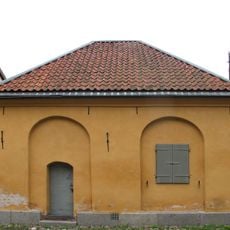
The beds follow the arrangement described in Linnaeus's own publication "Hortus Upsaliensis," so the garden reads almost like a physical copy of that book. There is also a small 18th-century orangery on the grounds that still houses potted plants during the colder months.
The community of curious travelers
AroundUs brings together thousands of curated places, local tips, and hidden gems, enriched daily by 93,637 contributors worldwide.