Taxinge-Näsby Castle, 19th-century castle in Södermanland County, Sweden.
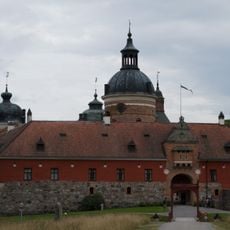
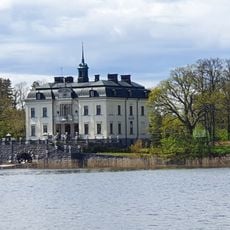
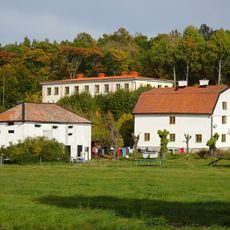
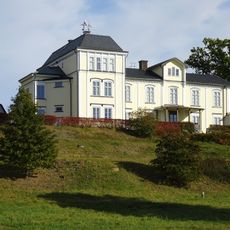
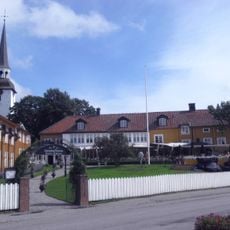
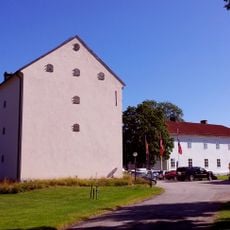
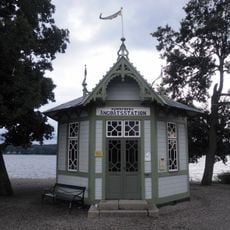
Taxinge-Näsby Castle is a stately home on a peninsula in Gripsholmsviken, about a kilometre's walk from Taxinge-Näsby station. Its main building, designed by Carl Christoffer Gjörwell, was built between 1807 and 1813 for Anders von Wahrendorff; the two wings date from the 18th century. The extensive park contains greenhouses and several pavilions, including a Chinese pavilion and a Turkish kiosk.
Architect Carl Christoffer Gjörwell designed this noble residence, which was built between 1807 and 1813 in the Södermanland region. Its construction took place during a period when neoclassical architecture was becoming prominent in Sweden.
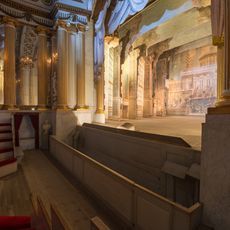
The castle became known as a filming location for Swedish productions, including Ingmar Bergman's 1972 film Cries and Whispers, attracting those interested in cinema. This connection to film history has given the place a special role in Swedish cultural memory.
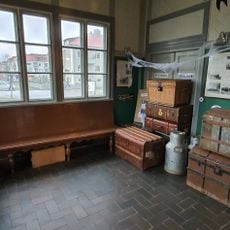
The main building stands on a peninsula in Gripsholmsviken, about one kilometre on foot from Taxinge-Näsby railway station. The estate has belonged to Nykvarns kommun since 1999 and is run by a private operator as a venue for celebrations and conferences, with a café and food service. The surrounding farmland is owned by Uppsala Akademiförvaltning and leased out.
The castle's park once held an orangery with southern fruits and winter storage for exotic plants; its site is now occupied by an Italian garden. Three heated greenhouses south of the Chinese pagoda grew vegetables, peaches, grapes and flowers.
The community of curious travelers
AroundUs brings together thousands of curated places, local tips, and hidden gems, enriched daily by 94,395 contributors worldwide.