Ekomuseum Bergslagen, Open-air industrial museum in Ludvika Municipality, Sweden
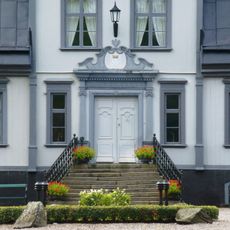
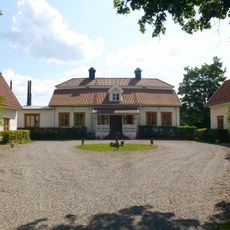
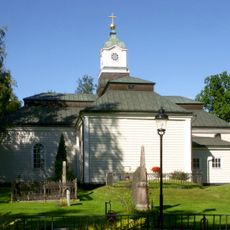
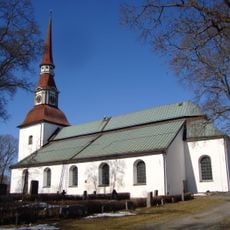
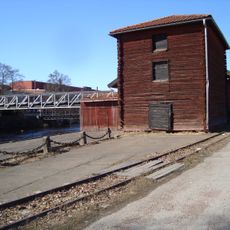
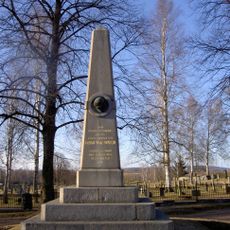
Ekomuseum Bergslagen is a decentralized open-air museum covering about 750 square kilometres, with roughly 60 sites linked by the Strömsholms Canal from Lake Mälaren in the south to the Forest Finns' forests in the north. It includes mines, blast furnaces, smithies, rolling mills, power stations, Strömsholm Palace and the Engelsberg Ironworks, a UNESCO World Heritage Site since 1993.
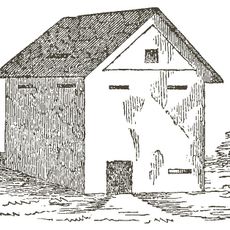
The ecomuseum began in 1986 as an experiment initiated by Erik Hofrén, then head of Dalarna Museum, after a 1984 feasibility study by Örjan Hamrin and Hans Rehnberg. A foundation was created in 1990, seated in Fagersta Municipality. The iron history it presents spans more than 2,000 years, from 400 BC to the present, and includes Lapphyttan, dated between 1150 and 1350.
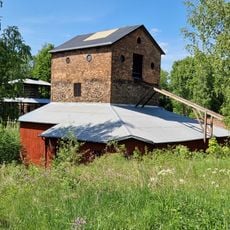
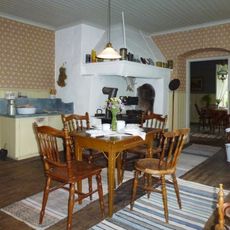
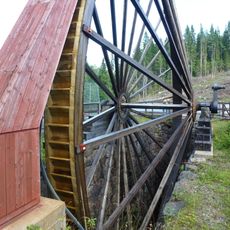
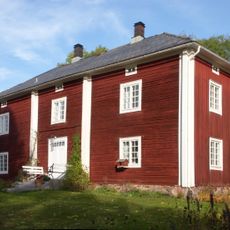
The museum shows how mining and iron production shaped the lives of people living here and the importance of these industries to local communities. The preserved buildings and machinery give visitors a sense of what daily work and life looked like in these industrial settlements.
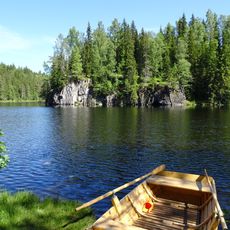
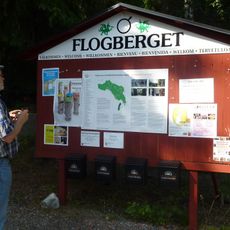
Visitors can explore individual sites on their own or join guided tours to learn more about the industrial facilities. Comfortable hiking shoes are recommended, since many sites are connected by natural trails and paths.
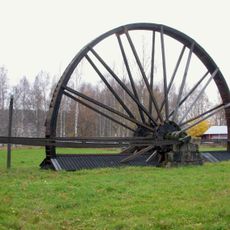
Many of the preserved mines and factories can be visited from the inside, offering a look at underground structures and work spaces that remain largely unchanged from their working days. This direct encounter with actual workplaces provides a rare chance to truly understand the industrial past.
The community of curious travelers
AroundUs brings together thousands of curated places, local tips, and hidden gems, enriched daily by 94,022 contributors worldwide.