Ersta malmgård, Historical building in Södermalm, Stockholm, Sweden
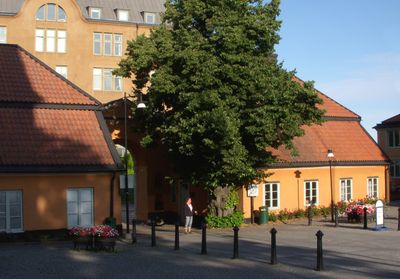
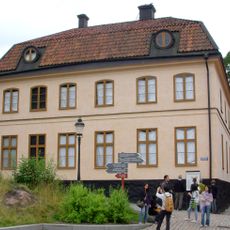
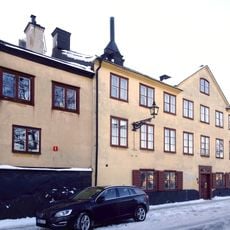
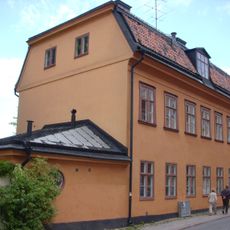
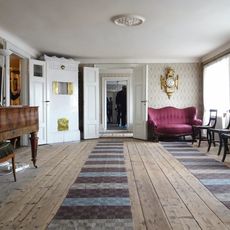
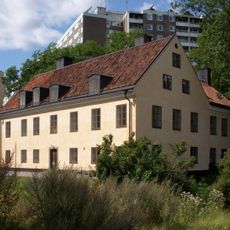
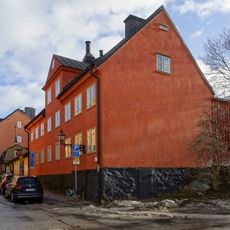
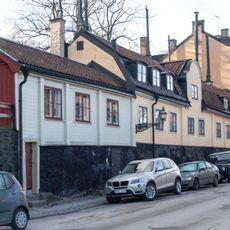
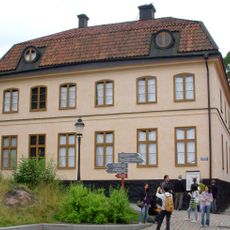
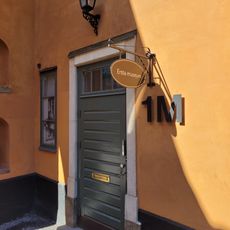
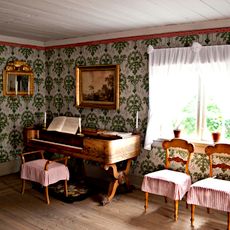
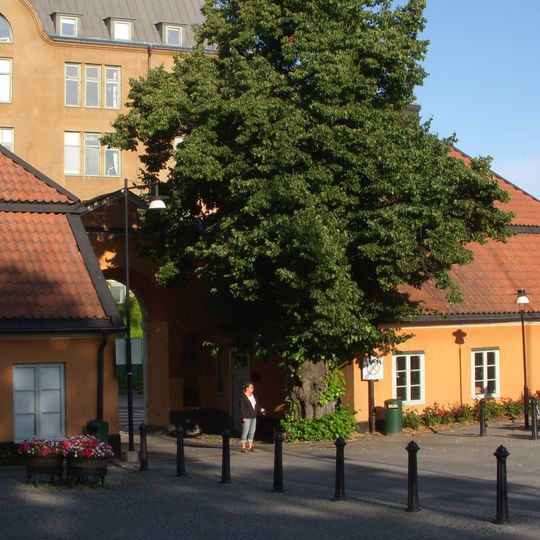
Ersta malmgård comprises two preserved gate houses connected by a portal within the larger Ersta complex. The northern building now serves as the Ersta Museum, showcasing the site's role as a historic estate from centuries past.
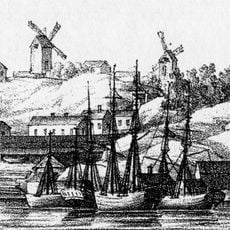
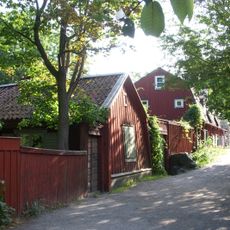
The first estate was probably built in the 1670s by distiller Oluf Håkansson on a 4,140 m² rocky plot. In 1722 merchant Johan Adam Pettersson bought it and expanded house and terraced garden. Assessor Bengt Andersson Qvist ran a crucible-steel works there in the 1770s. In 1862 Axel Adlercreutz transferred the estate to the Deaconess Society, which built new buildings; only two gate houses remain.
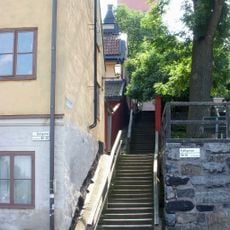
The name Ersta appears as Ehrstad in a 1674 property register. The northern gatehouse holds the Ersta Museum on the history of Ersta diakoni, while the southern gatehouse houses a bakery making communion wafers. The iron gate at Erstagatan/Fjällgatan probably dates from the late 1600s and was moved here from elsewhere on the estate.
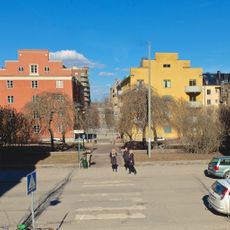
The site can be accessed via Erstagatan in Södermalm and sits within the larger Ersta complex that includes medical facilities. It is possible to view the historic buildings from outside, but it is best to check ahead regarding any visitor access to the interiors.
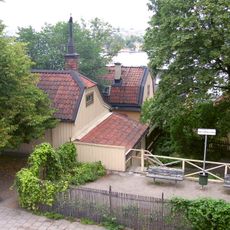
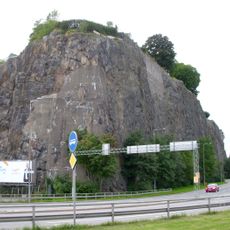
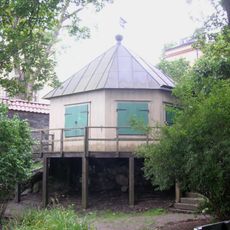
The gardens were built in terraces because of the rocky terrain, which made conventional baroque-style landscaping impossible. This practical adaptation to nature shows how residents worked with the land rather than against it.
The community of curious travelers
AroundUs brings together thousands of curated places, local tips, and hidden gems, enriched daily by 95,278 contributors worldwide.