Jönköping City Park, Urban park in Jönköping, Sweden.
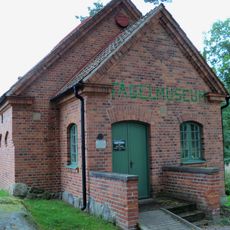
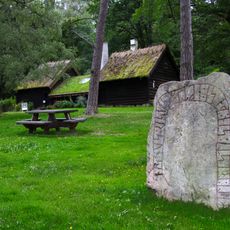
Jönköping City Park is a large urban green space situated on an elevated plateau spanning approximately 37 hectares. The grounds include several zones with open lawns, recreational facilities, and an outdoor museum displaying traditional regional buildings.
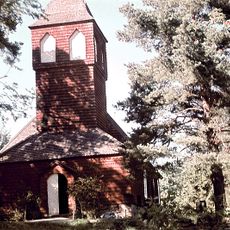
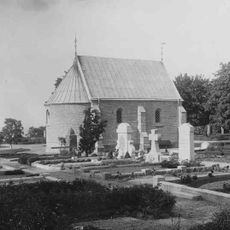
The park was laid out from 1896 and inaugurated on 13 September that year on the Dunkehalla plateau. In 1902 the engineer Algot Friberg had Bäckaby old church moved here, an act that led to the founding of Norra Smålands fornminnesförening. The open-air museum grew with a bell tower from Norra Solberga (1903), a ryggåsstuga from Sjöared (1905) and a soldier's cottage from Råssmäte (1929).
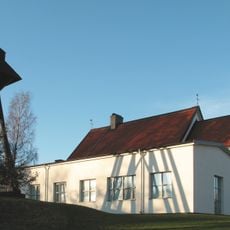
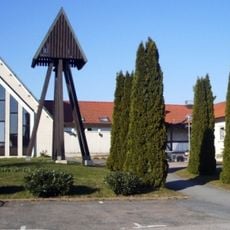
The open-air museum, run by Jönköpings läns museum, holds over ten buildings moved here from across Småland. The oldest core was Bäckaby old wooden church, rebuilt in 1902 and used for weddings until it burned down in 2000; a memorial now marks its site. Nearby stand a 1661 bell tower from Norra Solberga, moved in 1903, and a ryggåsstuga cottage whose silhouette inspired illustrator John Bauer.
The park offers activities including mini-golf, playgrounds, duck feeding, and picnicking on large lawns with tables. The main areas are easily walkable and accessible for families with children.
Ten women's paths were inaugurated on 12 May 1996, each named after a notable woman from Småland. One honours Adéle Wetterlind, a Jönköping teacher and suffrage campaigner who in the 1890s became known as the city's first female cyclist while riding through southern Sweden for women's right to vote.
The community of curious travelers
AroundUs brings together thousands of curated places, local tips, and hidden gems, enriched daily by 94,022 contributors worldwide.