Observatorieparken, Uppsala, park in Uppsala Municipality, Sweden
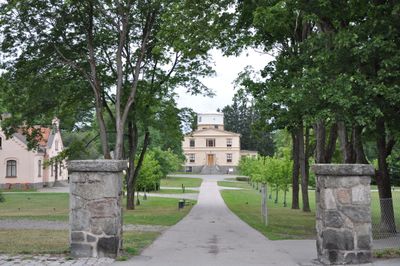
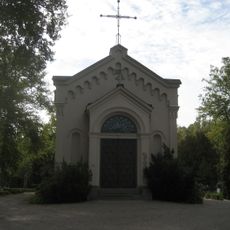
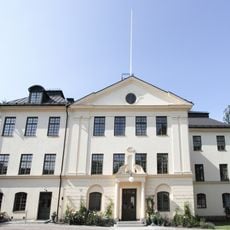
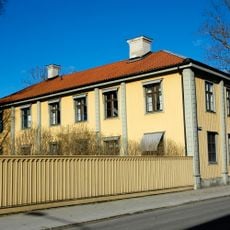
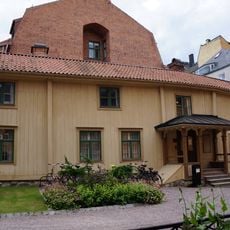
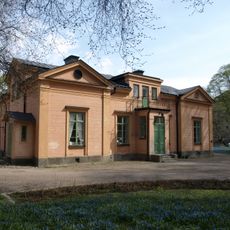
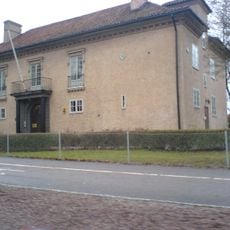
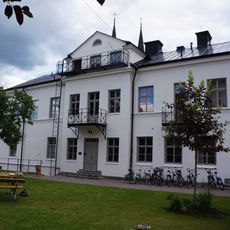
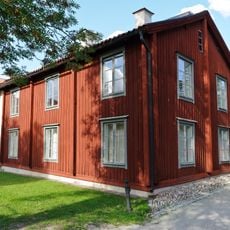
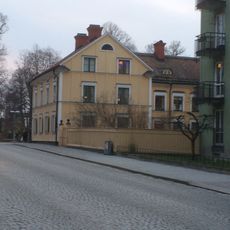
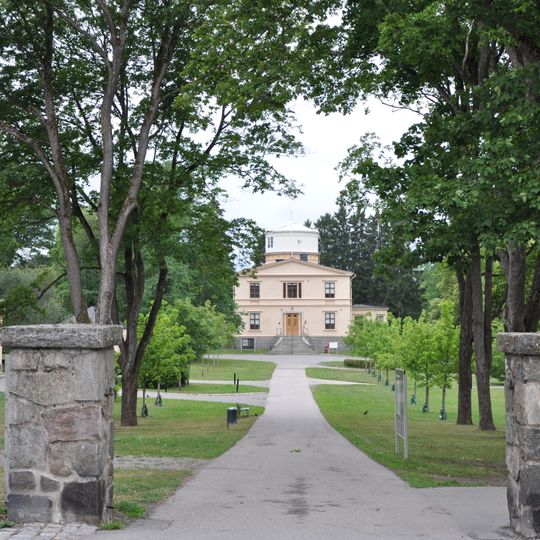
Observatorieparken is a park with historic buildings and instrument structures in Uppsala that has been used for the study of stars and planets since the mid-1800s. The space includes an old stone observatory with a domed roof, multiple specialized instrument pavilions built over different decades, a weather station, two staff residences, and other structural elements carefully arranged on solid rock foundations.
The site had connections to astronomy since the late 1500s, but the current park took shape between 1843 and 1854 under Professor Gustaf Svanberg, who drew inspiration from modern observatories in Berlin. Over the following century, specialized buildings for various telescopes and a weather station were added, creating a complete research facility.
The park has served as a center for astronomical study since the late 1500s and this scientific purpose still shapes its character today. The preserved buildings and working telescopes reflect how deeply stargazing has been woven into the identity of this place and the broader scientific culture of Uppsala.
The park is easily reached on foot from the city center and can be visited anytime to explore the buildings and green spaces. Special stargazing evenings with active telescopes take place on clear nights and require no advance booking - visitors should simply rely on weather forecasts and dress warmly.
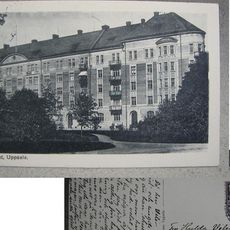
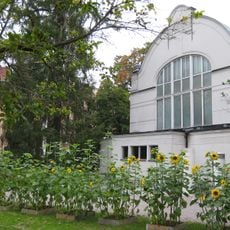
A 1928 music building called Musicum stands in the park and served not only as a concert hall but also as the home of composer Hugo Alfven, one of Sweden's most important musicians. This links the park's astronomical past with a significant chapter of Swedish music history.
The community of curious travelers
AroundUs brings together thousands of curated places, local tips, and hidden gems, enriched daily by 92,146 contributors worldwide.