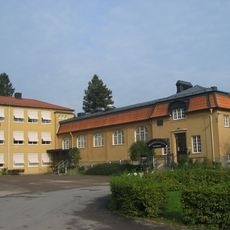
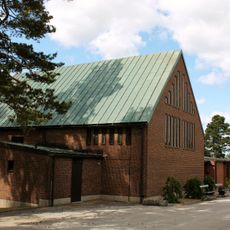
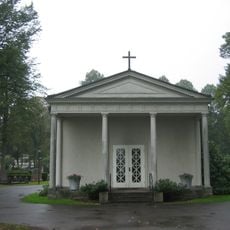
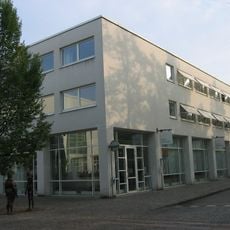
Växjö town, Medieval trade city in Kronoberg County, Sweden.
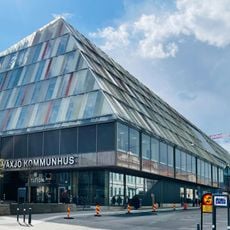
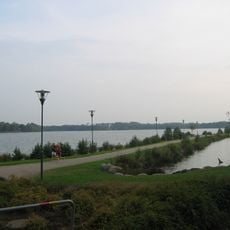
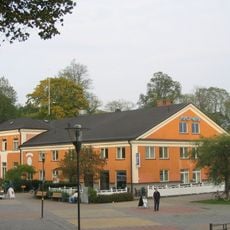
Växjö is a town in the Småland region of southern Sweden, situated on the shores of Växjösjön lake and surrounded by several water bodies and forests. The landscape of lakes and woodlands shapes how the settlement sits within its geography and defines its visual character.
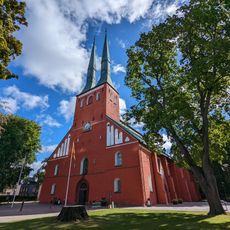
The city received its charter as a trade center in 1342 from King Magnus Eriksson, and later became an episcopal seat with the construction of Saint Sigfrid Cathedral. This combination of commerce and religious authority determined its growth and importance throughout the medieval and early modern periods.
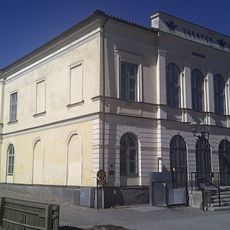
The place served as a religious hub for centuries, with the cathedral shaping how the community gathered and organized itself. You can still sense this heritage through the way locals relate to the historic core and how the layout guides movement through the streets.
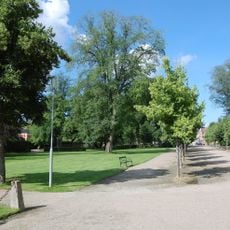
The city has a central railway station with direct trains connecting to major Swedish cities and Copenhagen, making it accessible for longer journeys. You can explore the downtown area on foot and easily reach parks and lakeside spaces.
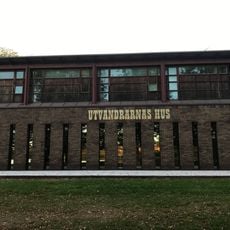
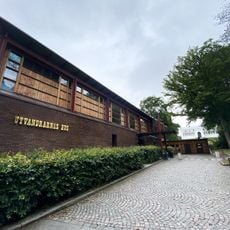
The Swedish Emigrant Institute holds an extensive collection of records documenting the waves of Swedish immigration to the Americas that took place between 1846 and 1930. It serves as a key resource for visitors tracing family histories from this era of mass migration.
The community of curious travelers
AroundUs brings together thousands of curated places, local tips, and hidden gems, enriched daily by 92,779 contributors worldwide.