National Museum in Damascus, National Museum in Damascus, Syria
The National Museum in Damascus holds over 300,000 objects across five wings and documents the development of Syrian civilization from prehistoric times to the modern era. The collection ranges from archaeological finds from Mesopotamia and the Levant to Islamic art and modern paintings.
The museum first opened in 1919 under King Faisal and was initially housed in the Madrasa al-Adiliya before moving to the current building. After closures during the civil war, four of the five wings reopened to visitors in 2018.
The reconstructed interior of the Dura Europos synagogue displays wall paintings from the third century that depict biblical scenes and religious practices of the ancient Jewish community. These frescoes are among the oldest surviving examples of figurative art in Jewish worship and show how people connected faith with daily life.
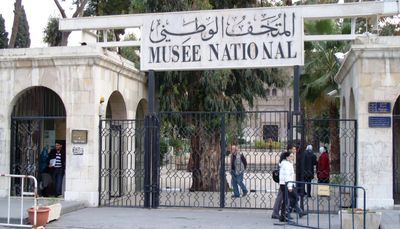
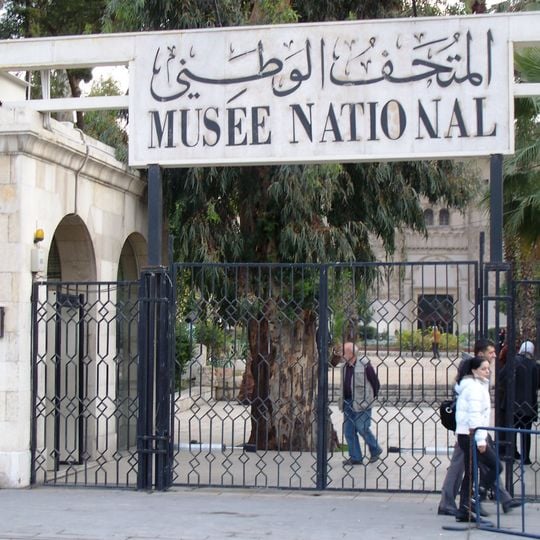
Four of the five museum sections remain accessible after reopening and display exhibits in chronological order from prehistoric times through the modern era. Visitors will find the halls marked with signs in Arabic and sometimes in English or French.
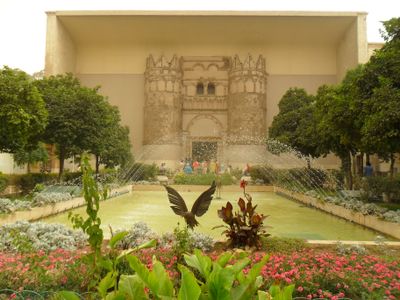
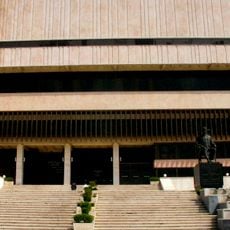
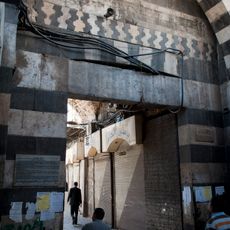
The entrance area displays the reconstructed facade of the desert palace Qasr al-Hayr al-Gharbi, brought here from the Syrian desert in 1936. This eighth-century Umayyad palace front now serves as the architectural frame for the main entrance.
The community of curious travelers
AroundUs brings together thousands of curated places, local tips, and hidden gems, enriched daily by 90,912 contributors worldwide.