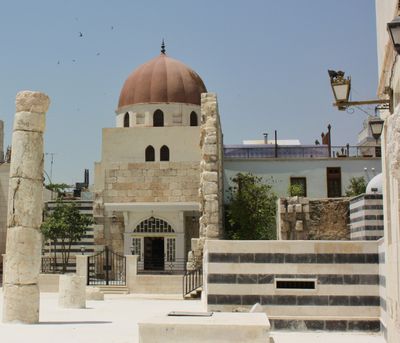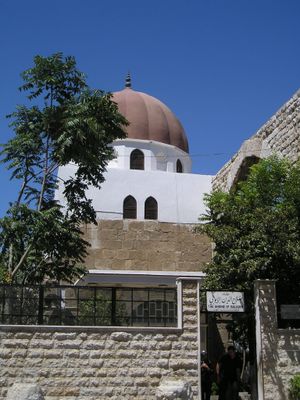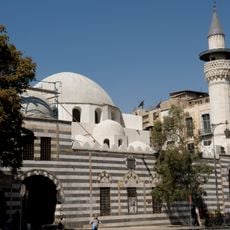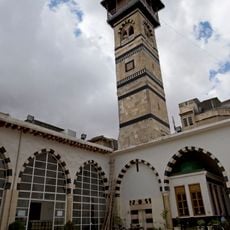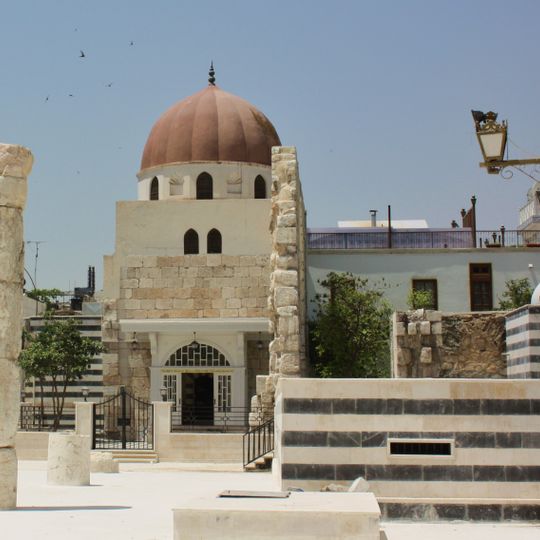
Mausoleum of Saladin, Ottoman mausoleum near Umayyad Mosque, Damascus, Syria.
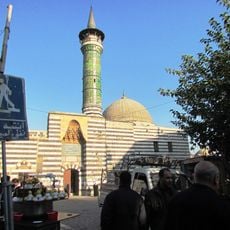
The Mausoleum of Saladin is an Ottoman burial structure near the Umayyad Mosque in Damascus, Syria. The stone construction shows a square chamber with decorated walls, four arches carry a dome, and an octagonal drum forms the transition between the two levels.
The burial structure was built between 1193 and 1196 after the sultan's death and became a place of remembrance for his military successes against the Crusaders. In the early 20th century, German Emperor Wilhelm II donated a white marble sarcophagus that now stands beside the original wooden one.
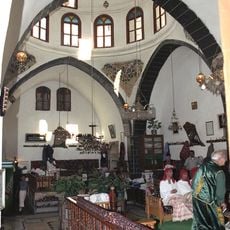
The burial chamber is lined with Ottoman tiles from the 17th century, their blue and green hues forming geometric and floral motifs in stone paste. Visitors step into a space where Islamic craftsmanship meets the reverence for a medieval sultan.
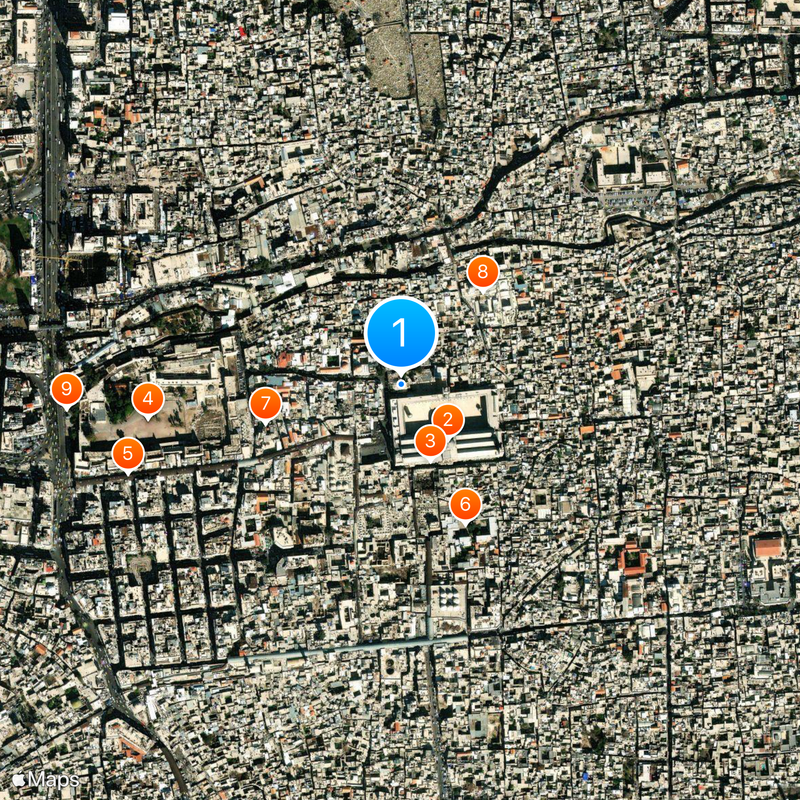
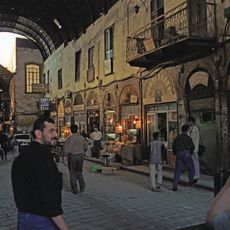
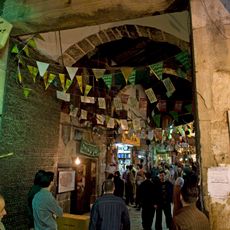
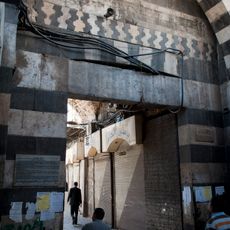
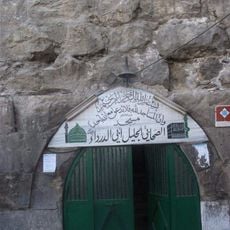
The structure sits within the Old City of Damascus, a UNESCO World Heritage site, directly beside one of the world's oldest mosques. Visitors reach the entrance through the lanes of the historic center, where orientation is helped by local signage.
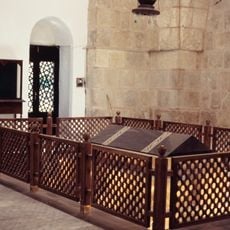
Two coffins sit in the chamber: the wooden one holds the sultan's remains, while the marble sarcophagus from 1903 stays empty. This doubling arose from diplomatic courtesy, as the gift from the German emperor could not be refused, yet the original tomb was not moved.
The community of curious travelers
AroundUs brings together thousands of curated places, local tips, and hidden gems, enriched daily by 91,253 contributors worldwide.