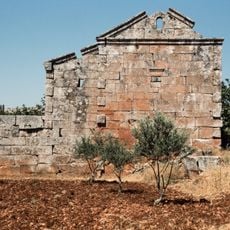
Ma'arrat Nu'man, City in Syria
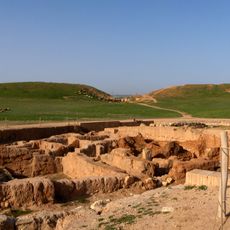
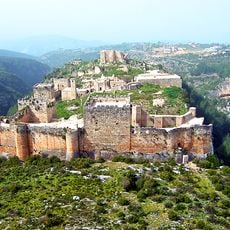
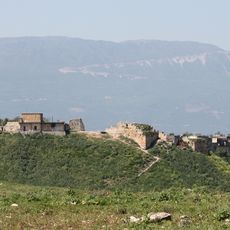
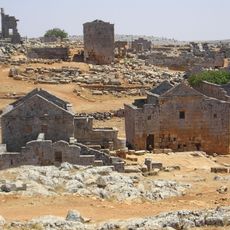
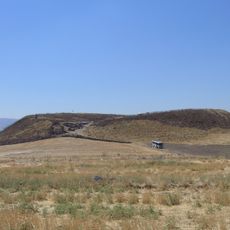
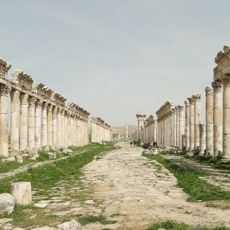
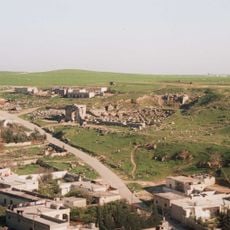
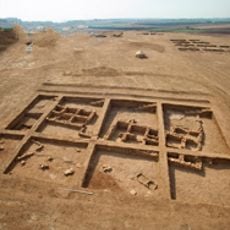
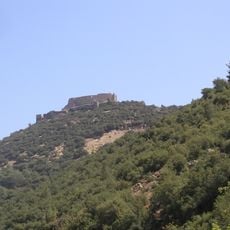
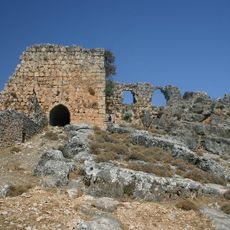
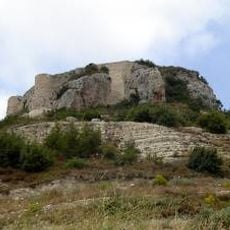
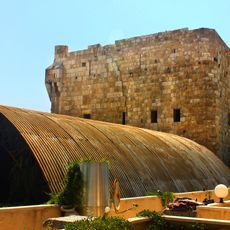
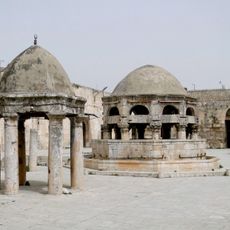
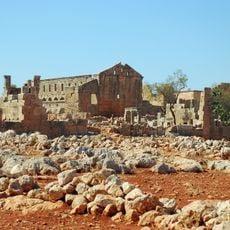
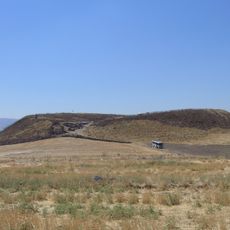
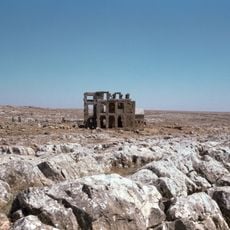
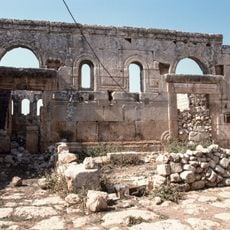
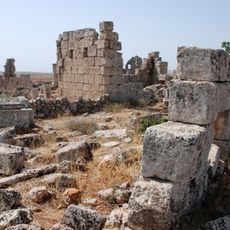
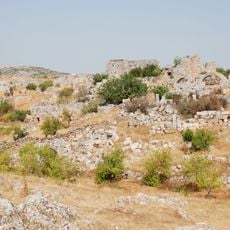
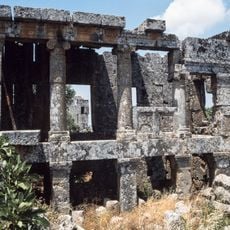
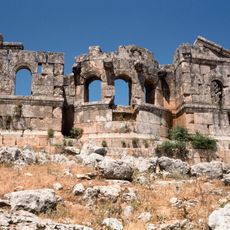
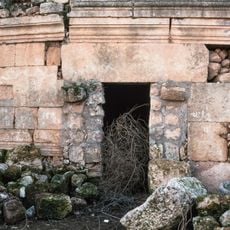
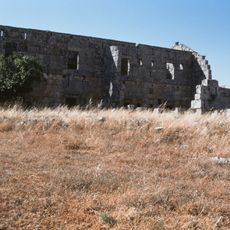
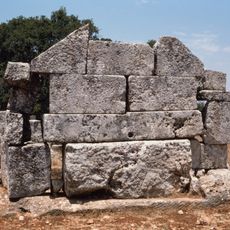
Ma'arrat Nu'man is a town in northwestern Syria built on hilly terrain with rocky slopes and surrounded by fertile plains. It holds remains from Hellenistic, Roman, Byzantine, Crusader, and Islamic periods, including ancient walls, gates, and a 12th-century mosque with a distinctive minaret structure.
The town was first mentioned in written records in the early 3rd century and served as part of important Roman trade routes. After Muslim conquest in 637 CE, it became a busy market center with regional influence, though it was briefly taken by Crusaders in 1098 before returning to Muslim rule.
The town's name honors an early Muslim leader, an-Nu'man ibn Bashir, and reflects the blending of Greek and Arabic heritage visible in its layout. Religious sites dedicated to Biblical figures stand alongside Islamic structures, showing how different faiths have shaped the place over time.
The town is best explored on foot to see the narrow streets, ancient walls, and gates that make up the medieval layout. Wear sturdy shoes as the terrain is hilly and rocky in places throughout the area.
The town once had seven entry gates and a citadel as a defensive system, which today still reflect its medieval organization and planning. This layout helps visitors understand how trading towns in the region were once fortified and structured to protect inhabitants.
The community of curious travelers
AroundUs brings together thousands of curated places, local tips, and hidden gems, enriched daily by 91,474 contributors worldwide.