Lajat, Lava field in southern Syria
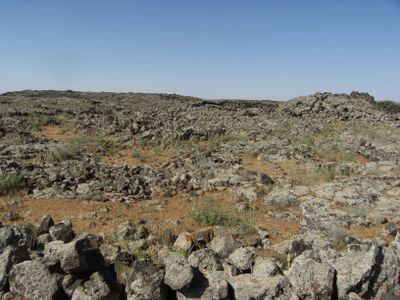
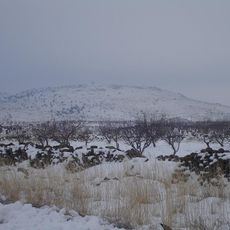
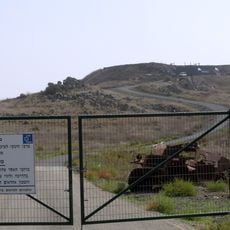
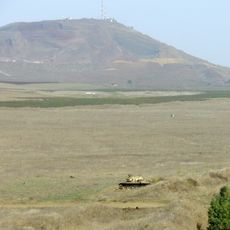
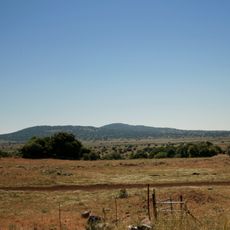
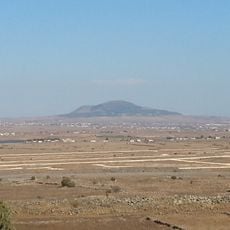
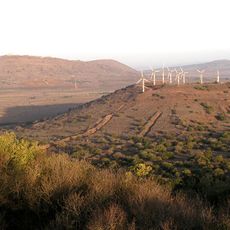
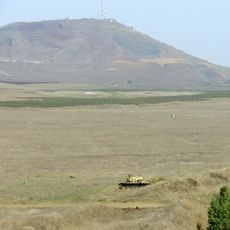
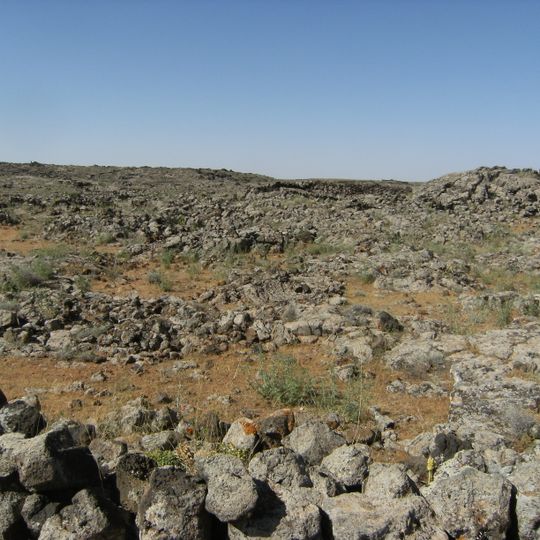
Lajat is a lava field in southern Syria covered by gray volcanic rock broken up by scattered shallow depressions across the terrain. The surface is uneven and jagged, with the rough texture typical of ancient lava flows sitting at an elevation of around 700 meters (2,300 feet).
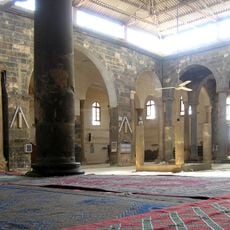
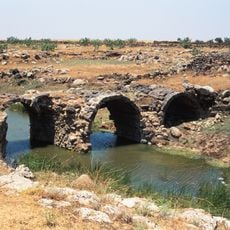
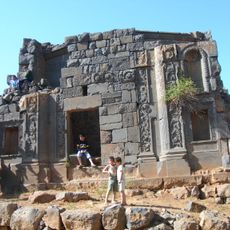
The area was known in ancient Greek as Trachonitis and was later connected by roads built during Roman rule. The Byzantine period left behind churches and village remains that can still be found across the terrain.
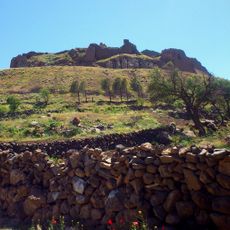
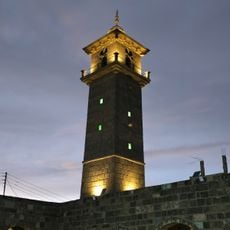
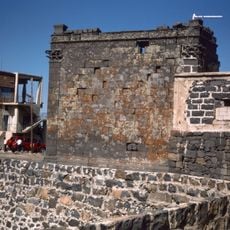
Villages have grown inside the natural hollows of the lava field over centuries, with houses built from the same dark volcanic stone that covers the ground. Walking through these settlements, visitors can see how the rock has shaped not just the buildings but the layout of the streets and fields around them.
The ground is rough and covered with sharp volcanic rock, so sturdy footwear is needed and every step requires attention. There are very few facilities in the area, so visitors should bring enough water and supplies before heading out.
The lava field contains hundreds of ancient rock inscriptions carved by early travelers and nomadic groups directly into the volcanic surface. Most visitors walk past them without noticing, as they blend into the rough texture of the surrounding stone.
The community of curious travelers
AroundUs brings together thousands of curated places, local tips, and hidden gems, enriched daily by 60,000 contributors worldwide.