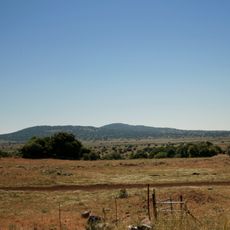
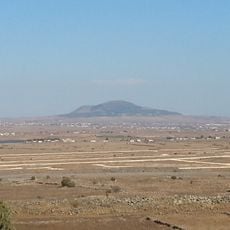
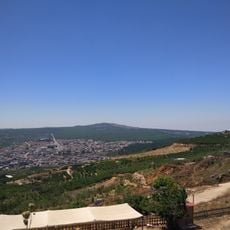
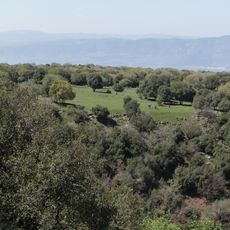
Har Bnei Rasan, Mountain summit in Golan Heights, Israel
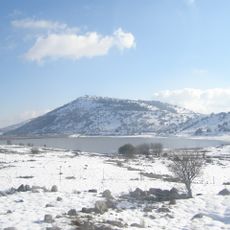
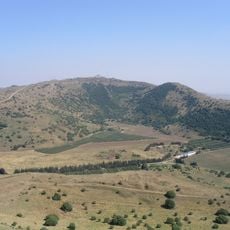
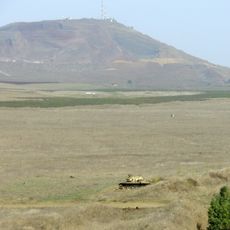
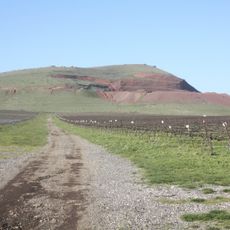
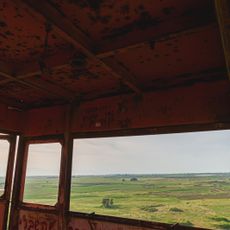
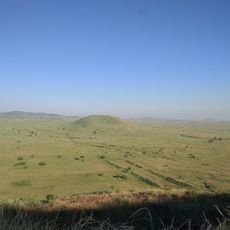
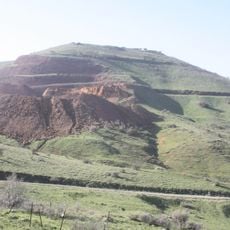
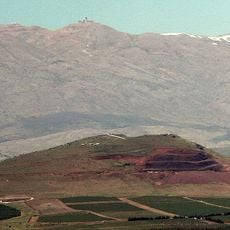
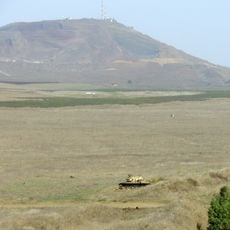
Har Bnei Rasan is a dormant volcanic peak in the Bashanit Ridge, rising 1,072 meters above sea level. Its summit holds ten wind turbines installed in 1993, each 30 meters tall with 18-meter blades, together supplying electricity to nearby settlements. The eastern, southern, and western slopes lie within the Bashanit Ridge Nature Reserve.
The Arabic name Tell al-Ghassaniya preserves the memory of the Ghassanid Bedouin tribes, who came from Yemen at the end of the 3rd century AD, converted to Christianity and founded permanent settlements in Byzantine territory. They later tried to shed Christian rule, were suppressed, and were forced to fight for Byzantium at the Battle of Yarmouk in 636, after which they disappear from the record. The Circassian village of Mumsia, founded at the foot of the mountain in 1878, was destroyed in the Six-Day War.
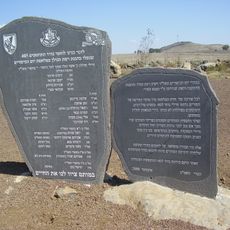
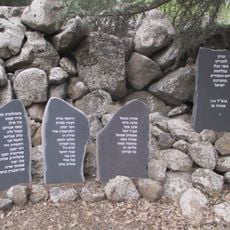
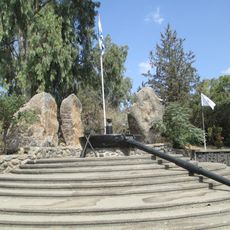
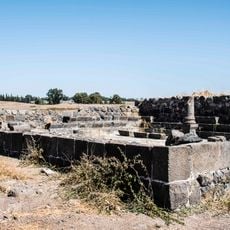
The slopes hold remains of the Circassian village Mumsia, founded in 1878 and abandoned during the 1967 conflict. The site carries traces of this community that once lived on these hillsides.
The eastern, southern and western slopes lie within the Bashanit Ridge nature reserve, while the summit holds the wind farm's ten turbines, each 30 metres tall with 18-metre blades. Approach on foot from the surrounding Golan roads; the ground is volcanic and exposed, so carry water and windproof clothing.
The Arabic name Tall al-Ghassaniyya preserves the memory of the Ghassanid Bedouin tribes, who came from Yemen at the end of the 3rd century AD, converted to Christianity within the Byzantine Empire and founded permanent settlements. The Byzantines later forced them to fight at the Battle of Yarmouk in 636, after which they apparently disappeared.
The community of curious travelers
AroundUs brings together thousands of curated places, local tips, and hidden gems, enriched daily by 92,729 contributors worldwide.