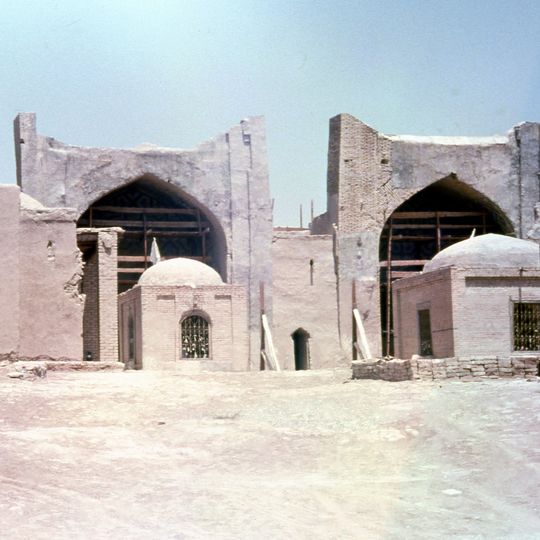
Merv, Archaeological site in Mary Region, Turkmenistan
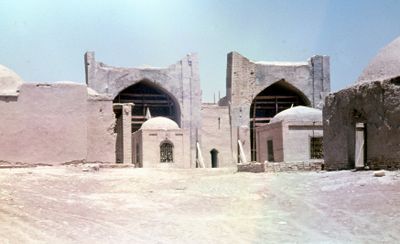
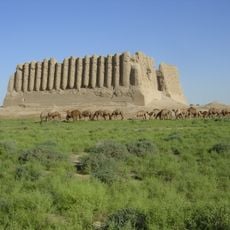
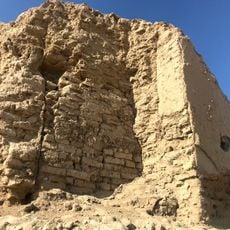
Merv is an archaeological site in Mary Region, eastern Turkmenistan, where the remains of several overlapping settlements from more than two millennia lie scattered across the plain. The different areas appear as earth walls, mounds, crumbled brick structures, and low hills that mark the positions of former fortifications, residential quarters, and administrative buildings.
The settlements began in the Achaemenid period, reached their height under the Seljuks in the twelfth century, and were gradually abandoned after Mongol troops conquered the area in the thirteenth century. Subsequent inhabitants moved southeast to a new, smaller town, leaving the earlier urban cores empty.
Merv was a pilgrimage site for Zoroastrians, Buddhists, Christians of the Church of the East and Shia Muslims; Ali ar-Ridha, the eighth Imam, lived here for several years. The city's name appears in the Avesta as Mouru, one of sixteen lands created by Ahura Mazda. Al-Muqanna, the "Veiled Prophet", was born in Merv and began his movement there.
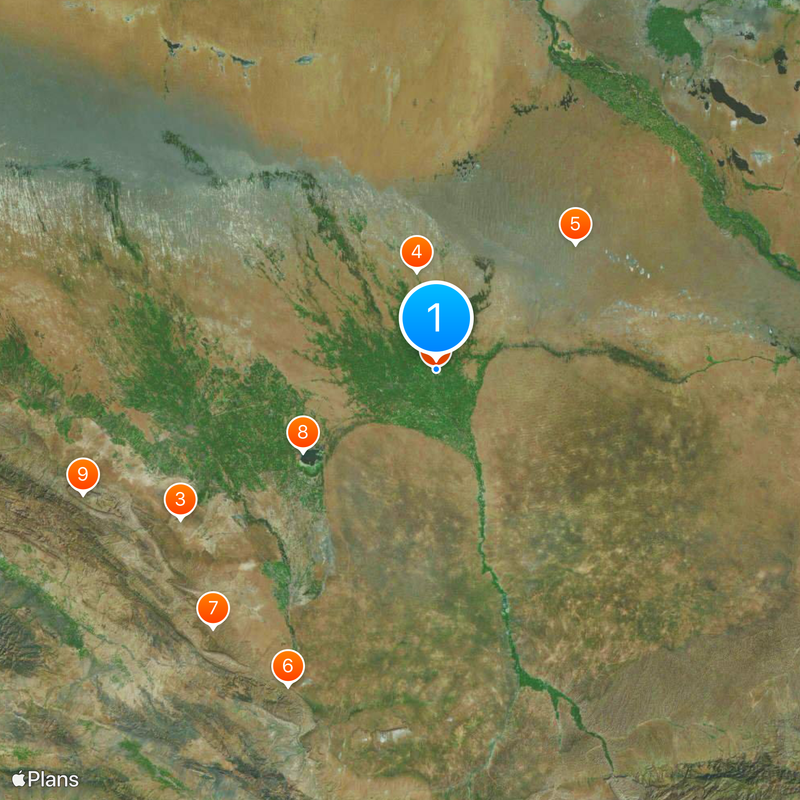
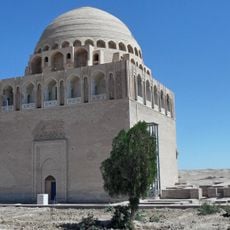
The site lies about thirty kilometers (19 miles) east of modern Mary town and is spread out, so having a vehicle helps to move between the different locations. Most visitors focus on Erk Gala and the Sultan Sanjar mausoleum, where the structures are best preserved.
Below the large central mound of Gäwürgala lie fragments of an Iron Age fortress, believed to be the oldest core of the entire complex. Pottery finds show that people already lived here before Persian expansion, when the surrounding area was still considerably wetter.
The community of curious travelers
AroundUs brings together thousands of curated places, local tips, and hidden gems, enriched daily by 92,338 contributors worldwide.