See the monuments around you in AROpen chests in the app
Around Us is built for your phone — point your camera at the streets and discover the monuments and places around you in augmented reality.Around Us is built for your phone — chests unlock when you walk, explore and capture nearby places.
Turkmenistan holds a mix of natural wonders and historical places that draw visitors from around the world. The Darvaza crater burns continuously, creating a sight that feels otherworldly. Ancient ruins like Merv and Nisa tell stories from centuries past, while decorated mausoleums stand as testaments to the country's spiritual traditions. Underground, the Kow-Ata Lake offers a cool escape in the middle of dry landscapes. Above ground, Yangykala Canyon displays layers of colored rock that change shade throughout the day. The Kopet Dag mountains rise along the southern border, and the vast Karakum desert stretches across much of the country, shaping how people live and move through this land.
In the capital city of Ashgabat, the feeling is quite different. Wide streets and grand buildings covered in white marble create a modern and orderly appearance. The Monument of Neutrality stands as a symbol of the nation's independence. Nearby, you can explore the Nisa Fortress, which shows how the region looked thousands of years ago. To the north, Kunya-Urgench preserves monuments from the Silk Road era. These contrasts give visitors a sense of both Turkmenistan's ancient roots and its modern direction.
Whether you come for the geology, history, or to simply walk through landscapes that feel removed from everyday life, Turkmenistan offers experiences that differ from typical tourist routes. The Hazar Nature Reserve protects wildlife along the Caspian coast, while smaller towns hold their own stories for those willing to explore beyond the main sights.
Turkmenistan holds a mix of natural wonders and historical places that draw visitors from around the world. The Darvaza crater burns continuously, creating a sight that feels otherworldly. Ancient ruins like Merv and Nisa tell stories from centuries past, while decorated mausoleums stand as testaments to the country's spiritual traditions. Underground, the Kow-Ata Lake offers a cool escape in the middle of dry landscapes. Above ground, Yangykala Canyon displays layers of colored rock that change shade throughout the day. The Kopet Dag mountains rise along the southern border, and the vast Karakum desert stretches across much of the country, shaping how people live and move through this land.
In the capital city of Ashgabat, the feeling is quite different. Wide streets and grand buildings covered in white marble create a modern and orderly appearance. The Monument of Neutrality stands as a symbol of the nation's independence. Nearby, you can explore the Nisa Fortress, which shows how the region looked thousands of years ago. To the north, Kunya-Urgench preserves monuments from the Silk Road era. These contrasts give visitors a sense of both Turkmenistan's ancient roots and its modern direction.
Whether you come for the geology, history, or to simply walk through landscapes that feel removed from everyday life, Turkmenistan offers experiences that differ from typical tourist routes. The Hazar Nature Reserve protects wildlife along the Caspian coast, while smaller towns hold their own stories for those willing to explore beyond the main sights.
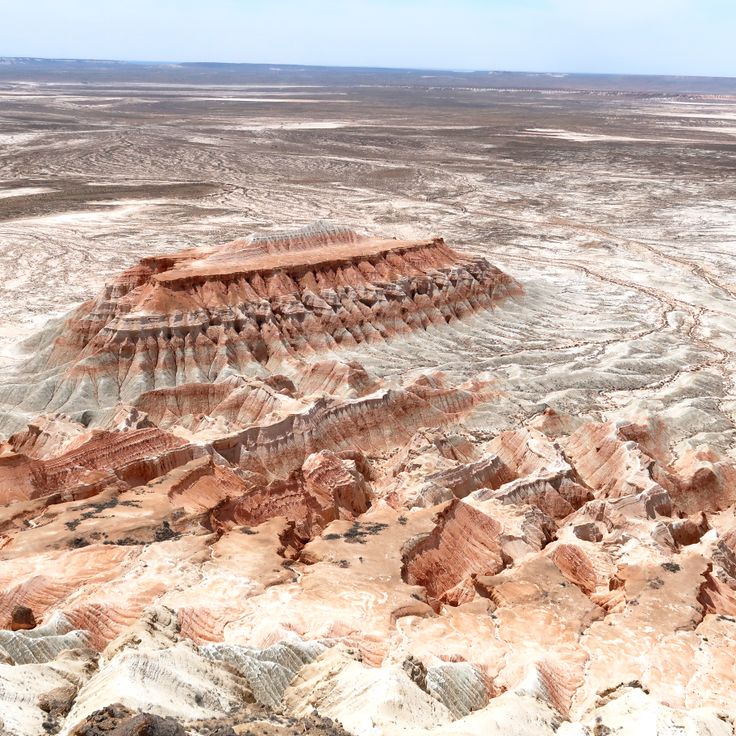
Yangykala Canyon stands as one of Turkmenistan's natural wonders, featuring pink, red, and white cliffs carved into a valley 60 kilometers deep. The rock layers were shaped over millions of years and shift in color depending on the time of day and how light touches them. This canyon provides a contrast to the flat desert landscapes surrounding it and gives visitors a chance to see the geological story of the region firsthand. It sits beyond the main tourist routes, representing the kind of destination that makes Turkmenistan feel different from typical travel experiences.
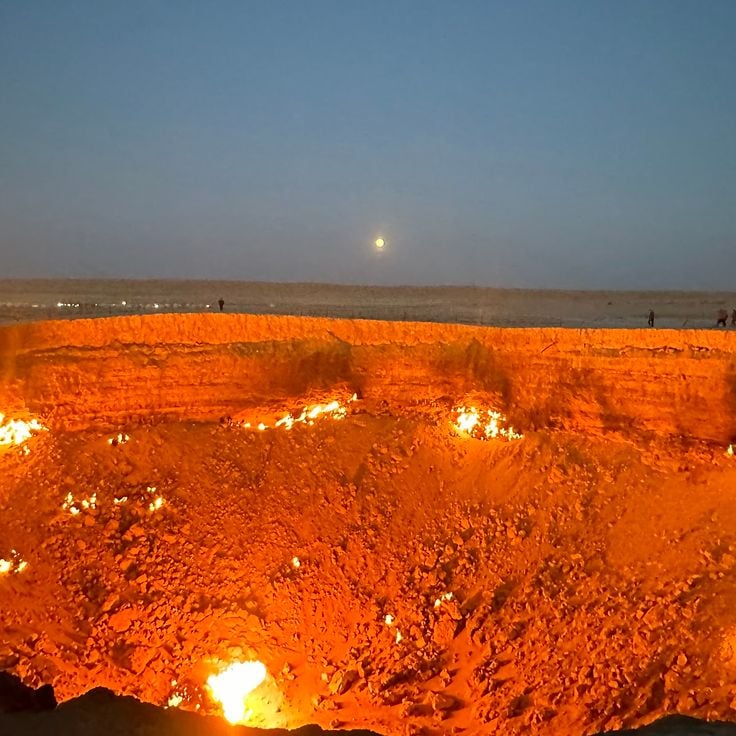
The Darvaza Crater is a natural cavity in the Karakum Desert where continuous fire has burned since a gas exploration accident in 1971. As part of Turkmenistan's remarkable sites, this crater displays the raw power of nature and creates an otherworldly spectacle of flames and embers at night, stretching across the dark desert.
The Monument of Neutrality stands as a key symbol of Ashgabat's modern character within Turkmenistan's collection of historical and natural sites. This 75-meter tower, completed in 1998, features a rotating restaurant at its top and an observation platform that offers views across the capital. The structure represents the nation's independence and contrasts with the ancient ruins and natural landscapes found elsewhere in the country. From this vantage point, visitors see the wide streets and white marble buildings that define modern Ashgabat's ordered appearance.
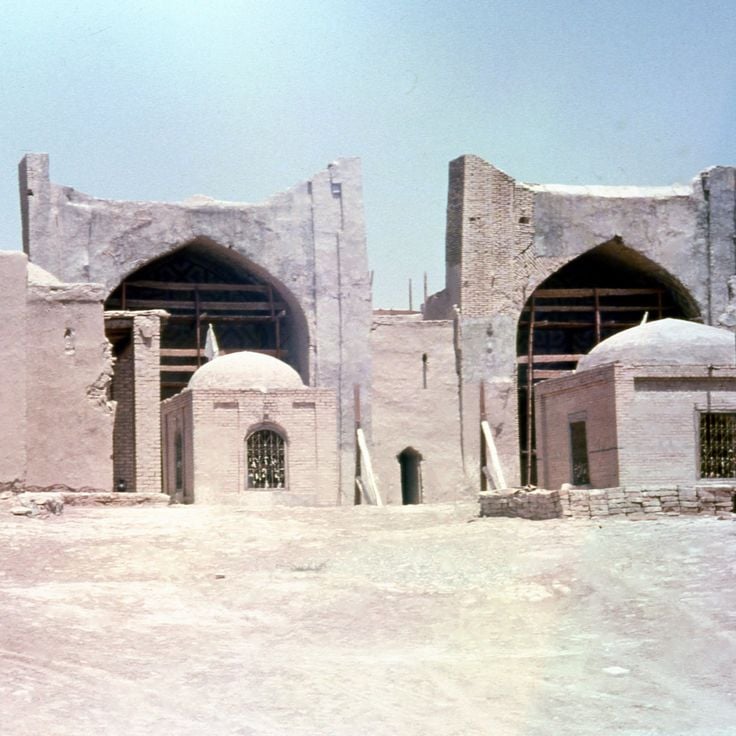
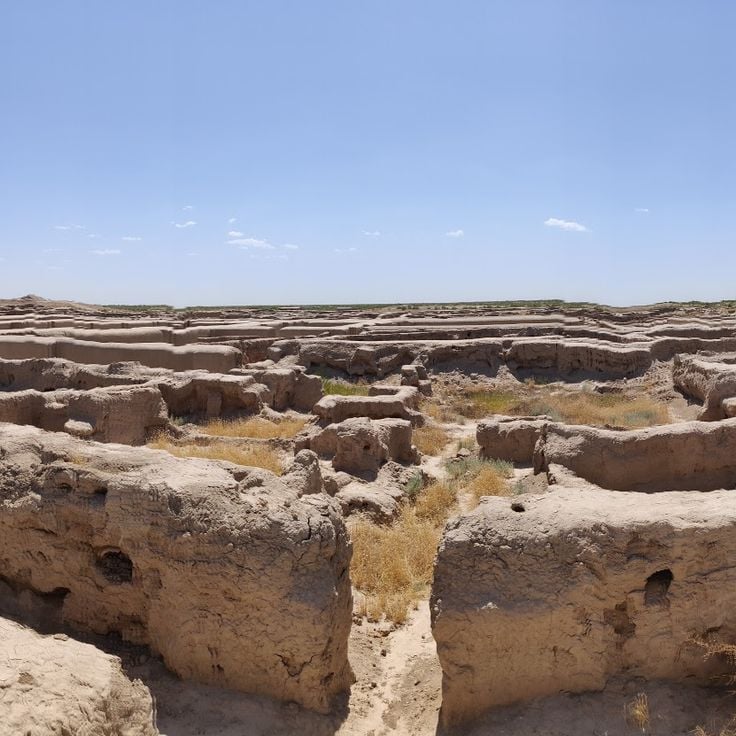
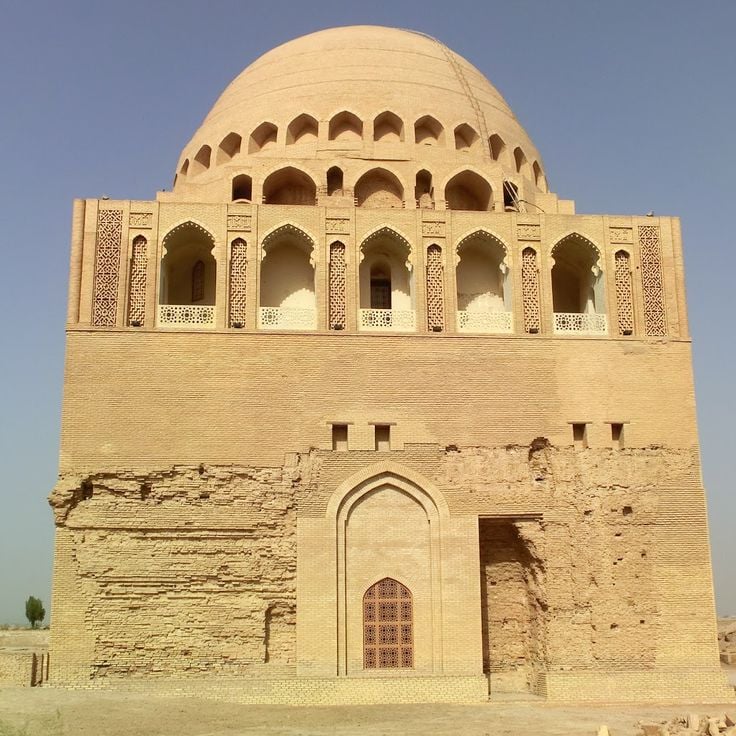
The Archaeological Site of Merv stands as one of Turkmenistan's most important places, showing how this location served as a major center along the ancient Silk Road. Here you can see the remains of several cities built one on top of another over time. The mausoleum of Sultan Sanjar, built in the 12th century, rises among the ruins as a striking structure. Walking through this site, you notice layers of earth and stone that reveal different periods of habitation. Visitors can observe how trade routes once connected distant parts of the world through this crossroads.
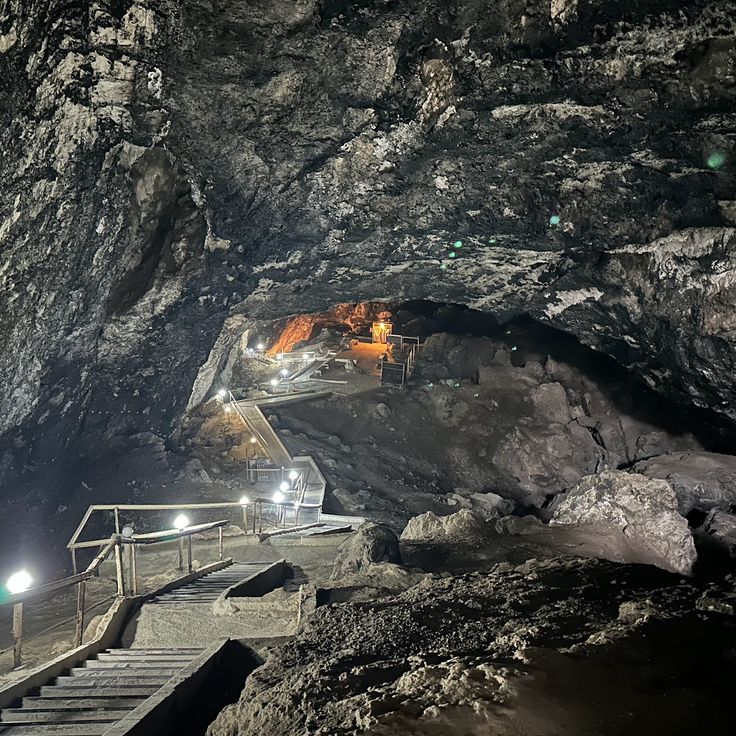
The Kow-Ata Lake within this collection of Turkmenistan's geographical wonders is an underground body of water housed within a limestone cave. The lake sits about 65 meters (213 feet) below the surface, maintaining a constant temperature between 33 and 37 degrees Celsius (91 to 99 degrees Fahrenheit) year-round. Visitors can swim in its warm waters and experience the damp, warm air of the cave, offering a refreshing contrast to the dry landscape above.
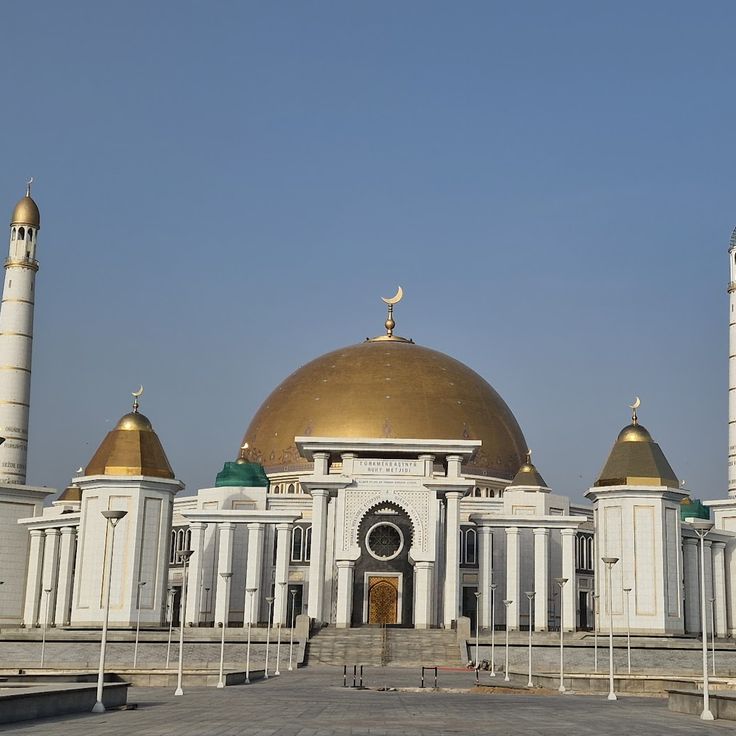
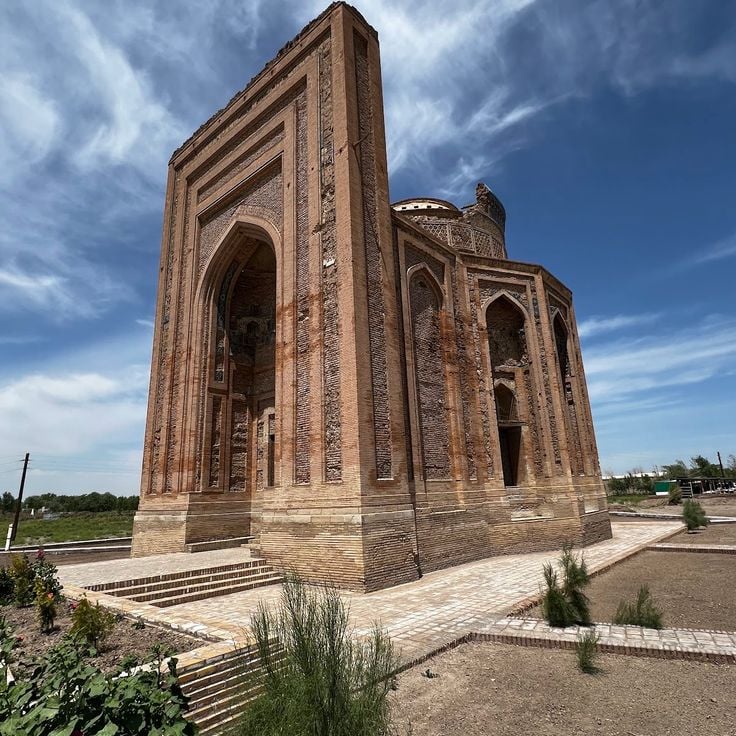
The Turkmenbashi Mausoleum in Kipchak is a funeral monument topped with a gold dome, built in 2006 for Saparmyrat Nyýazow, who led Turkmenistan from 1990 to 2006. It represents the spiritual architecture found throughout Turkmenistan, where decorated mausoleums stand as testaments to the country's traditions.
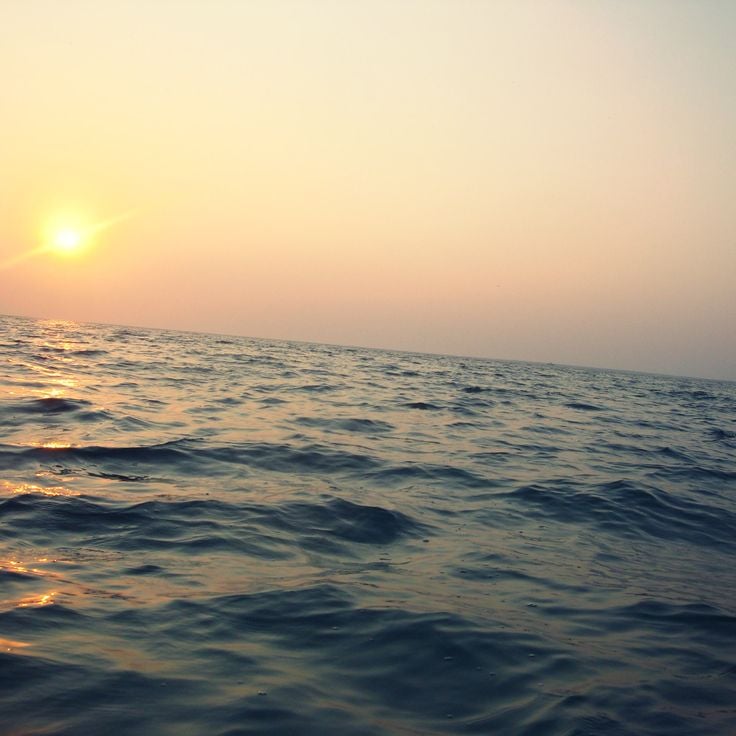
The Hazar Nature Reserve holds an important place in this collection of Turkmenistan's diverse landscapes and cultures. This protected coastal area stretches along the Caspian Sea and includes the Ogurjaly sanctuary. Here you will find rich marine habitats that support various fish species and seabirds. The reserve shows the natural side of Turkmenistan, contrasting with the ancient ruins and desert expanses featured elsewhere in the collection. Visitors can walk along the shore and observe birds in their habitats, offering a different experience from the dry inland regions.
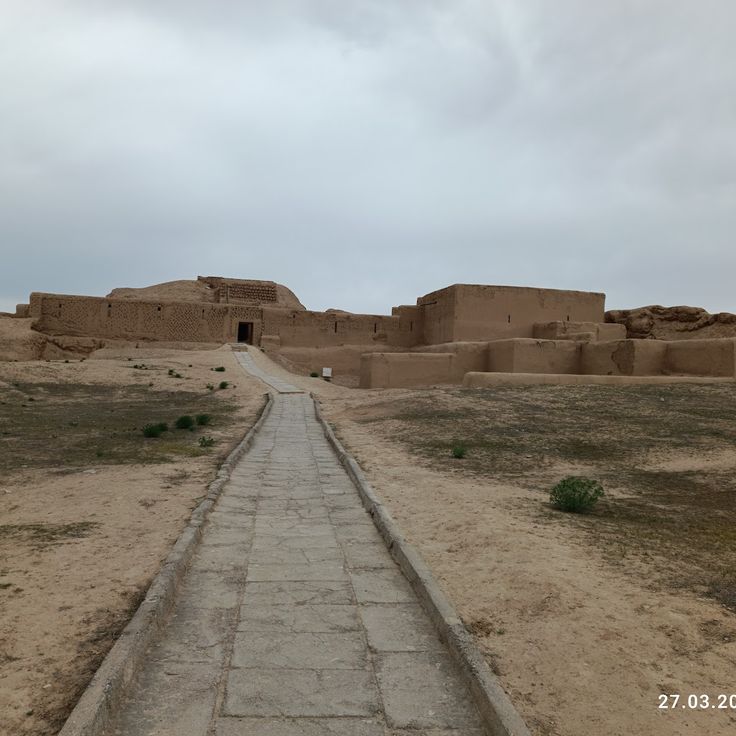
Nisa Fortress is an archaeological site featured in this collection of remarkable sites across Turkmenistan, showcasing the remains of a Parthian fortified city dating back to the 3rd century BC. The ruins reveal palaces, temples, and administrative buildings that demonstrate how people lived in this region thousands of years ago. The site tells the story of a civilization that shaped the history of Central Asia and allows visitors to understand the ancient roots of Turkmenistan.
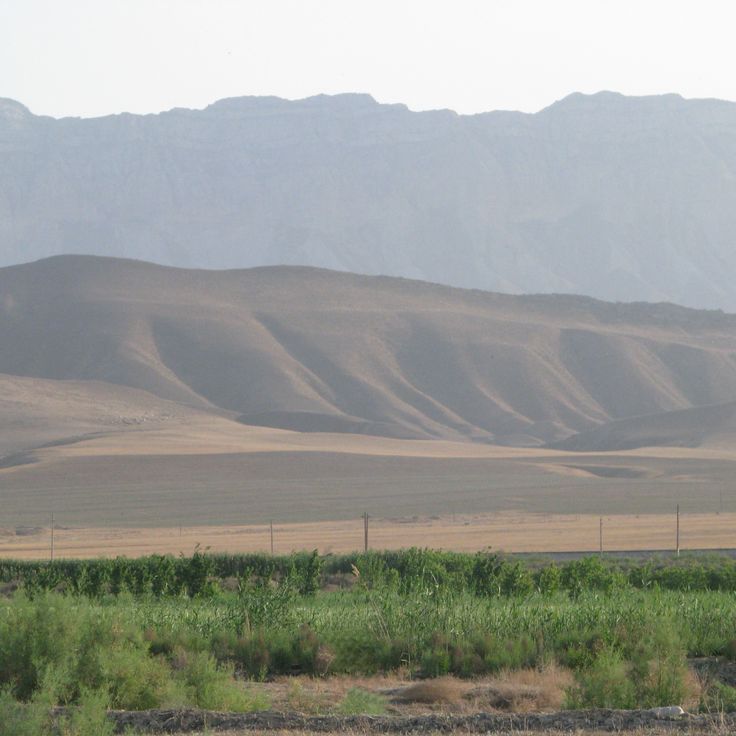
The Kopet Dag Mountains are part of Turkmenistan's collection of remarkable sites, stretching along the southern border where the country meets Iran. This mountain range shapes the landscape with peaks that rise to significant heights, creating a natural wall across the region. The mountains display different zones of plant life as elevation changes. Over centuries, these peaks have influenced how people moved through and lived in this part of Central Asia. The Kopet Dag Mountains remain a defining feature of Turkmenistan's southern horizon.
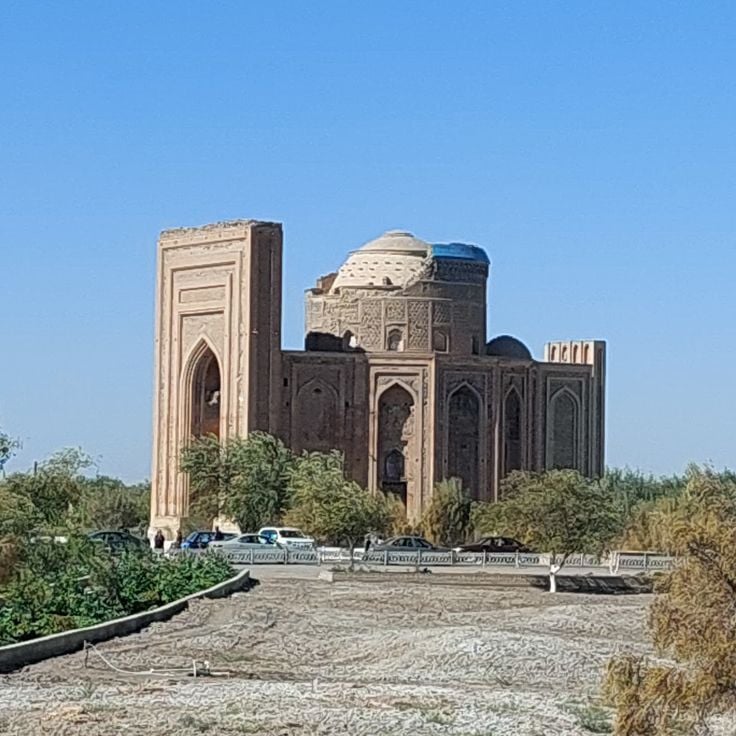
Kunya-Urgench was once a major city on the Silk Road and today stands as a place with several historical structures. The Kutlug Timur minaret rises above the ruins and shows the craftsmanship of earlier times. Mausoleums from different centuries, from the 11th to the 16th, stand in the area and tell of people who were honored here. The city played an important role as a trading center before routes shifted elsewhere. Today visitors can walk through Kunya-Urgench and explore the remains of this former importance.
The Dinosaur Plateau in the Koytendag Mountains displays a limestone surface with one of the world's largest concentrations of dinosaur tracks. This site connects to Turkmenistan's geological diversity, standing alongside ancient ruins like Merv and Nisa, the Kow-Ata Lake, the Yangykala Canyon, and the continuously burning Darvaza crater. The plateau offers visitors a chance to witness evidence of creatures that lived millions of years ago, adding another layer to the country's natural and historical narratives.
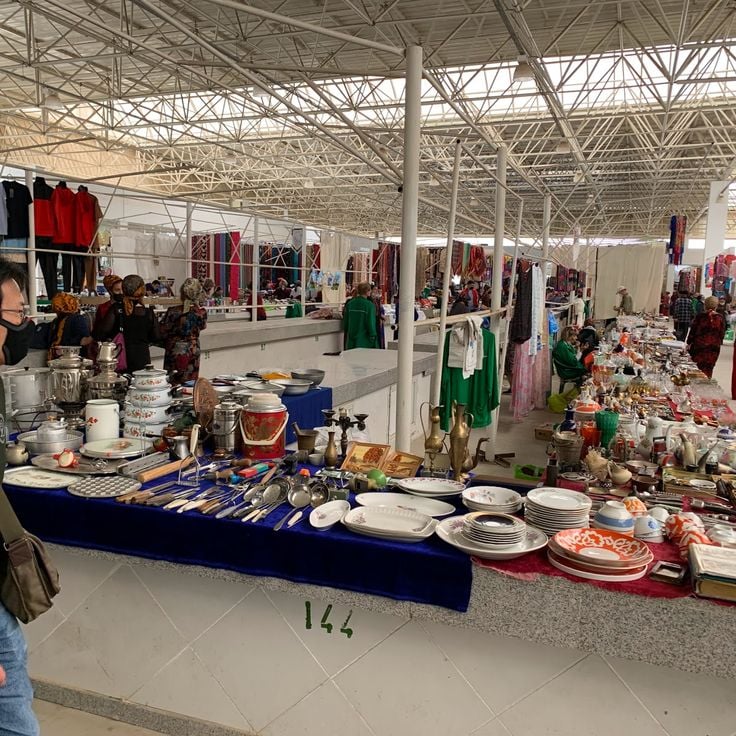
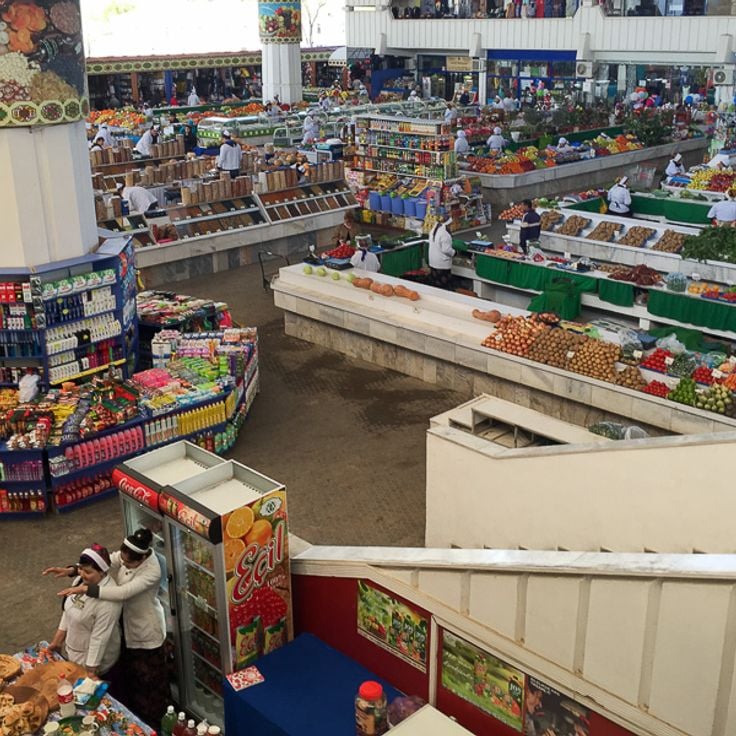
The Altyn Asyr Bazaar is the largest open-air market in Central Asia and represents the diverse trading culture of Turkmenistan. In this marketplace, textiles, food, electronics, and traditional Turkmen products sit side by side. The bazaar embodies the region's active trading history and forms an important part of modern-day Ashgabat.
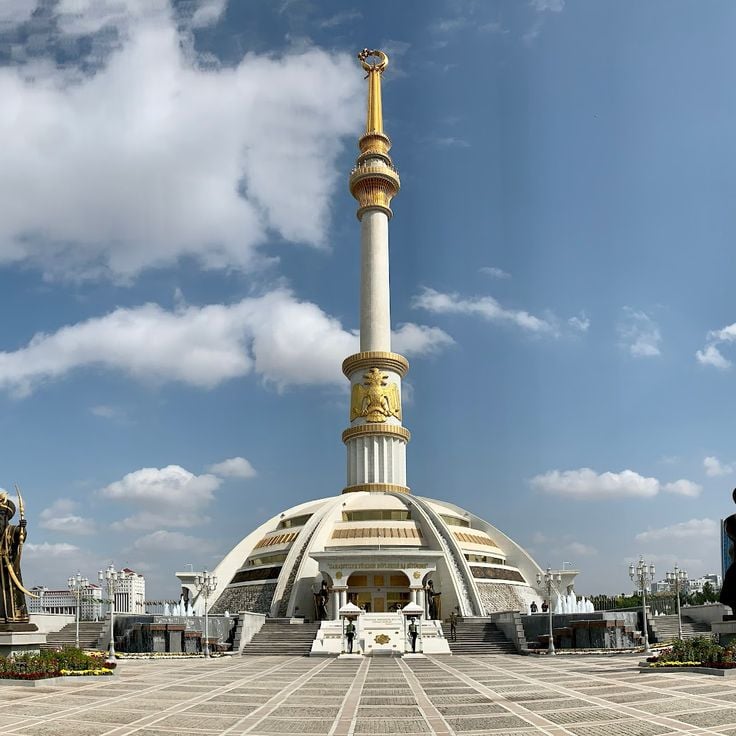
The Independence Monument in Ashgabat is a striking structure built from white marble in 2001. The central tower rises approximately 118 meters and represents Turkmenistan's modern direction. The monument features five entrances and is adorned with gold elements and traditional Turkmen patterns on its surfaces. It stands as a symbol of national independence and fits within the capital city's character of wide streets and gleaming marble buildings.
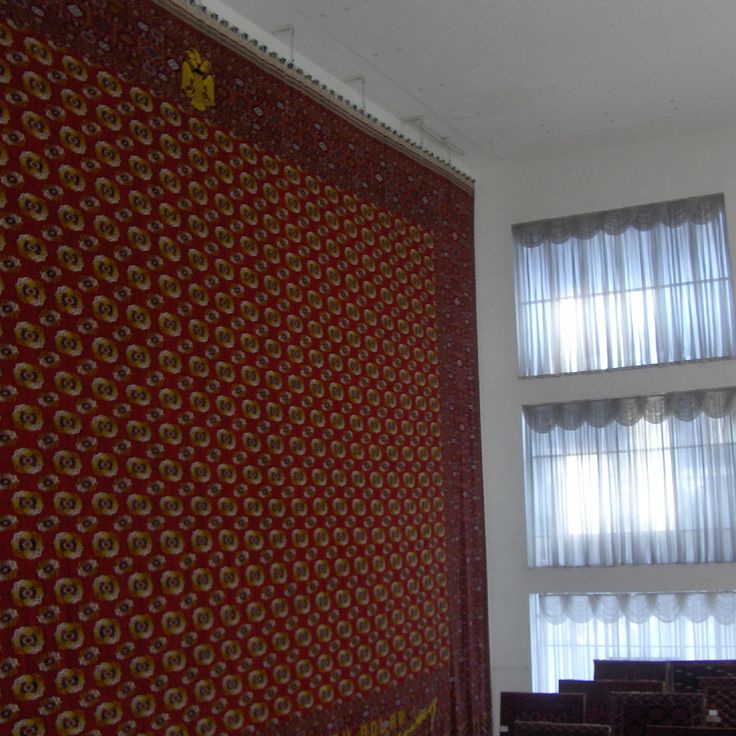
The Turkmen Carpet Museum in Ashgabat showcases the national collection of traditional Turkmen carpets, spanning from historical pieces to modern textile creations. This museum reveals the craftsmanship and artistic heritage of carpet weaving that has been central to Turkmen culture for centuries. Walking through the gallery, you observe the intricate patterns, rich colors, and techniques that define each carpet, reflecting regional traditions and the skill passed down through families. The museum also displays contemporary works, showing how this ancient craft continues to evolve.
The National Museum of History in Ashgabat displays archaeological collections spanning 6000 years of regional history, from the Jeytun period to the present day. The building is organized into thematic rooms that guide visitors through different phases of civilization in Turkmenistan. As part of this collection of remarkable sites, this museum helps explain how the ancient ruins of Merv and Nisa, the decorated mausoleums, and the varied landscapes throughout the country tell the story of human settlement and cultural development across this land.
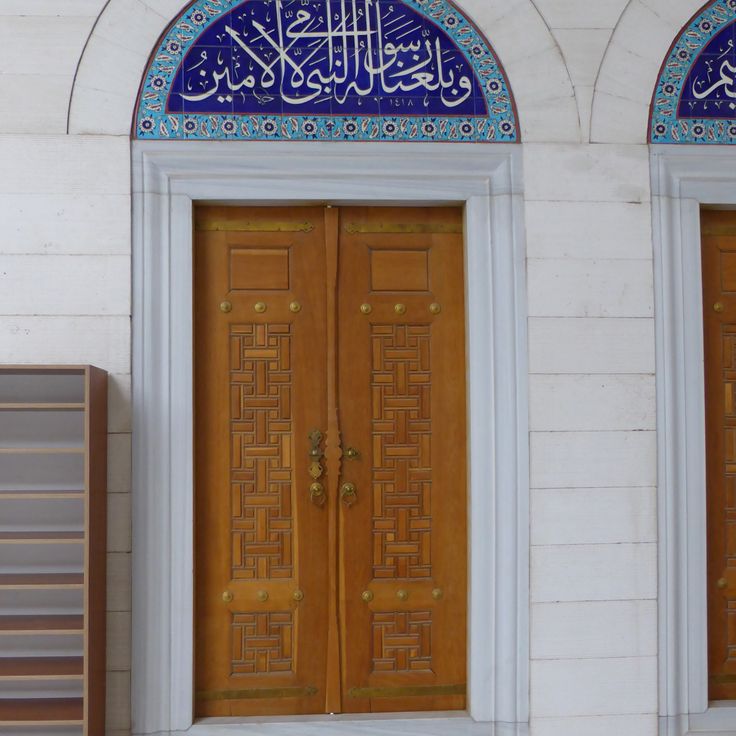
The Ertugrul Gazi Mosque in Ashgabat represents the religious architecture of Turkmenistan and fits within the capital city's modern landscape of white marble structures. The building combines Ottoman style with geometric patterns and is defined by four minarets that rise above the city's wide streets. The central dome is decorated with detailed ornaments and reflects the spiritual traditions deeply rooted in this country.
The Sünt-Hasardag Nature Reserve is a protected area in Balkan province and represents one of the natural wonders drawing visitors to Turkmenistan. This reserve is defined by its mountain ecosystems, showcasing the geological and biological diversity that shapes the country's landscapes. Visitors can explore the plants and animals that inhabit these elevations, gaining a sense of how nature persists in this region. The reserve offers a different kind of experience from the urban center of Ashgabat, allowing travelers to understand Turkmenistan's natural side beyond its grand monuments.
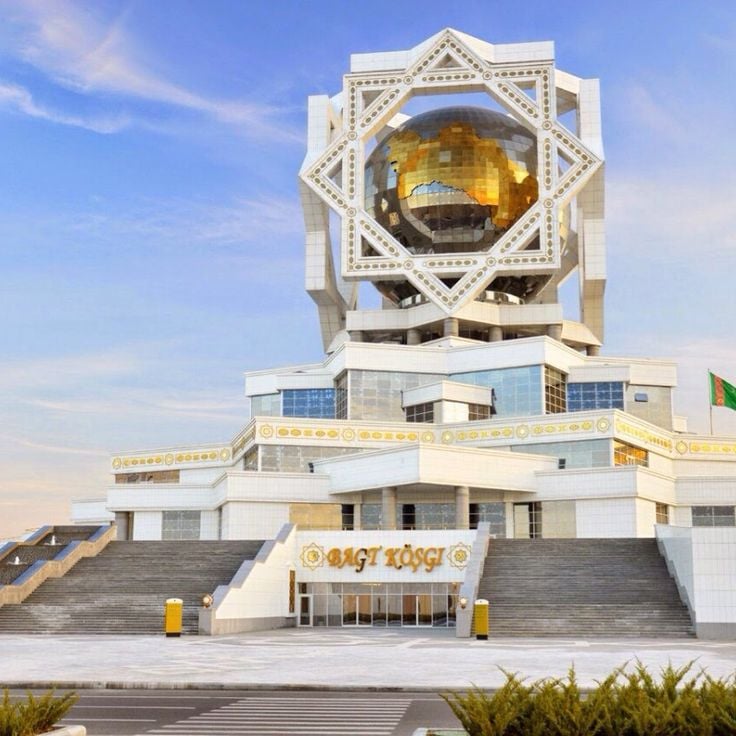
The Palace of Weddings in Ashgabat is an administrative center where civil marriage ceremonies take place. The building is part of the modern structures that define the capital's appearance, housing reception rooms, civil registry offices, and ceremonial spaces. It represents the country's contemporary direction while the city itself displays wide streets and white marble buildings that create an orderly environment.
The Ashgabat Hippodrome is among the remarkable sites of Turkmenistan, dedicated to the breeding and showcasing of Akhal-Teke horses. This facility features training tracks and exhibition areas where these noble horses are displayed and trained. It represents a living tradition of horsemanship in the country and offers visitors the chance to observe these elegant animals up close.
The Ashgabat Cable Car is a public aerial transport system that forms part of Turkmenistan's remarkable sites. It connects the city center to the Kopet Dag mountains, allowing visitors to rise above the modern capital and see the natural landscape that shapes the country. The cable car travels over the terrain, giving travelers a perspective on how Ashgabat's ordered streets and marble buildings contrast with the mountains beyond. Cabins carry 8 passengers at a time, making for a comfortable journey.
Gonur Depe is a significant site within this collection showcasing Turkmenistan's history. These ruins represent a Bronze Age city dating to the 3rd millennium BC, featuring defensive structures, administrative buildings, and burial areas. The site demonstrates how ancient inhabitants organized their settlements and reveals the depth of civilization in this region thousands of years ago.
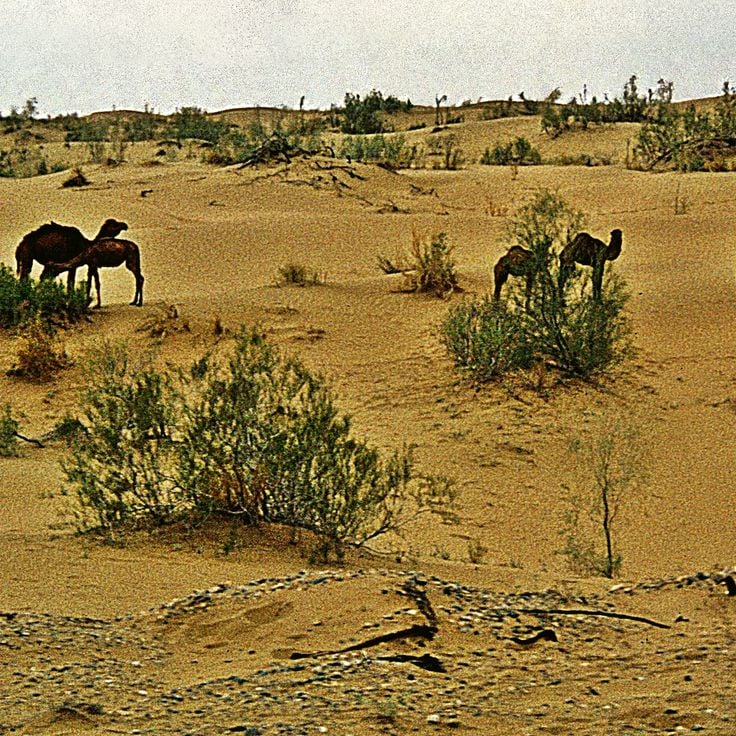
The Karakum Desert in this collection of remarkable Turkmenistan sites is a vast sandy expanse that shapes how people live and travel across the country. Composed of sand dunes, saline depressions, and clay areas under a dry continental climate, this desert spreads across much of the nation. Walking through it offers a sense of the raw landscape that defines Turkmenistan beyond the marble buildings and historical monuments found elsewhere.
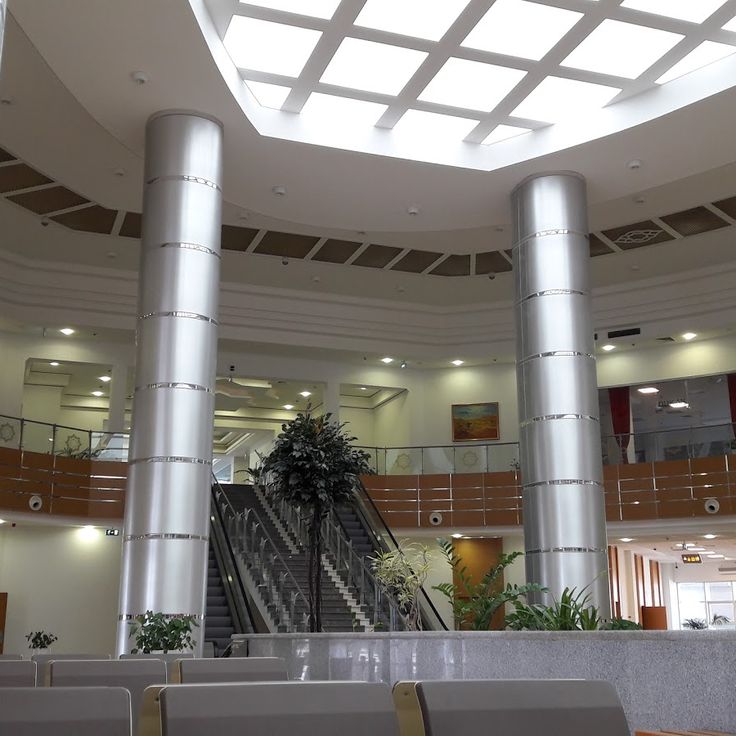
The Gulistan Shopping Center is a large indoor market in central Ashgabat that reflects the capital's modern character. Located amid the city's wide streets and contemporary buildings, it brings together local craft shops and several restaurants serving Turkmen cuisine. This center shows how daily life flows in present-day Ashgabat and offers a glimpse into local shopping and dining habits.
The Kutlug Timur Minaret in Kunya-Urgench is a tower built in the 14th century that rises 60 meters into the sky. This structure stands as one of the important examples of medieval Islamic architecture in Central Asia. The minaret shows the craftsmanship that existed in this region during the Middle Ages and connects Turkmenistan's rich past with its modern direction. It remains a testament to the Silk Road era and invites visitors to explore the layers of history that have shaped this land.
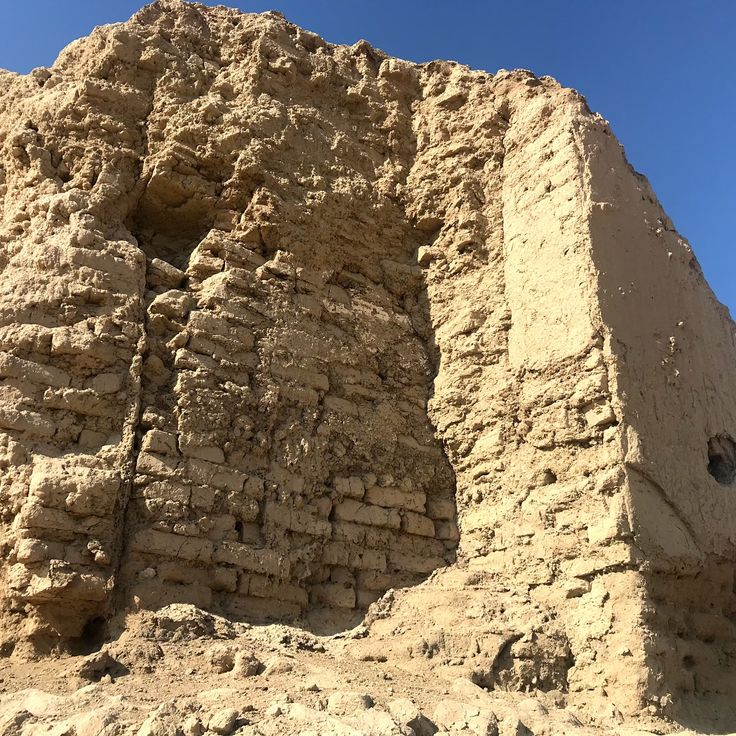
Erk-Kala is an ancient fortified city dating back to the 6th century BC. The site contains earthen walls and defensive structures that show how people once lived and protected themselves here. As part of the archaeological ruins of Merv, Erk-Kala reflects the importance this region held in Central Asian history. Walking through this site, you see the remains of a city that was once significant and now sits in Turkmenistan's dry landscape.
Sultan-Kala Archaeological Site is one of the remarkable historical places that draw visitors to Turkmenistan and reveals how the region looked centuries ago. This site dating from the 11th to 12th century contains ruins of mosques, palaces, and administrative buildings from the Seljuk period. The remains tell the story of a time when Merv was an important stop along the Silk Road. Visitors can walk through the old foundations and get a sense of daily life in this ancient city.
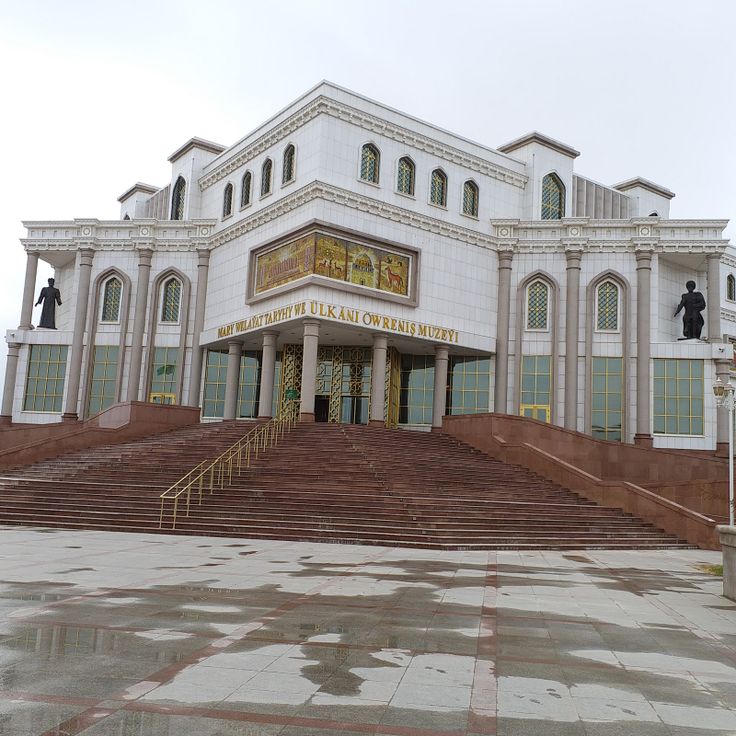
This museum in Mary displays archaeological finds from Merv excavations as well as art objects, traditional clothing, and ethnographic documents from Turkmenistan. As part of the remarkable sites of Turkmenistan, this museum helps visitors understand the long history of the region by presenting objects from different periods and cultures that passed through this ancient city.
The Badhyz Nature Reserve stands as one of Turkmenistan's protected natural sites. Located across Ahal and Mary provinces, this reserve displays the characteristic biodiversity found in Central Asian ecosystems. The landscape consists of dry hills and plains where plants and animals have adapted to harsh conditions. Visitors to this reserve encounter the ecological diversity that shapes the interior of the region.
Yangykala Canyon stands as one of Turkmenistan's natural wonders, featuring pink, red, and white cliffs carved into a valley 60 kilometers deep. The rock layers were shaped over millions of years and shift in color depending on the time of day and how light touches them. This canyon provides a contrast to the flat desert landscapes surrounding it and gives visitors a chance to see the geological story of the region firsthand. It sits beyond the main tourist routes, representing the kind of destination that makes Turkmenistan feel different from typical travel experiences.
The Darvaza Crater is a natural cavity in the Karakum Desert where continuous fire has burned since a gas exploration accident in 1971. As part of Turkmenistan's remarkable sites, this crater displays the raw power of nature and creates an otherworldly spectacle of flames and embers at night, stretching across the dark desert.
The Monument of Neutrality stands as a key symbol of Ashgabat's modern character within Turkmenistan's collection of historical and natural sites. This 75-meter tower, completed in 1998, features a rotating restaurant at its top and an observation platform that offers views across the capital. The structure represents the nation's independence and contrasts with the ancient ruins and natural landscapes found elsewhere in the country. From this vantage point, visitors see the wide streets and white marble buildings that define modern Ashgabat's ordered appearance.
The Archaeological Site of Merv stands as one of Turkmenistan's most important places, showing how this location served as a major center along the ancient Silk Road. Here you can see the remains of several cities built one on top of another over time. The mausoleum of Sultan Sanjar, built in the 12th century, rises among the ruins as a striking structure. Walking through this site, you notice layers of earth and stone that reveal different periods of habitation. Visitors can observe how trade routes once connected distant parts of the world through this crossroads.
The Kow-Ata Lake within this collection of Turkmenistan's geographical wonders is an underground body of water housed within a limestone cave. The lake sits about 65 meters (213 feet) below the surface, maintaining a constant temperature between 33 and 37 degrees Celsius (91 to 99 degrees Fahrenheit) year-round. Visitors can swim in its warm waters and experience the damp, warm air of the cave, offering a refreshing contrast to the dry landscape above.
The Turkmenbashi Mausoleum in Kipchak is a funeral monument topped with a gold dome, built in 2006 for Saparmyrat Nyýazow, who led Turkmenistan from 1990 to 2006. It represents the spiritual architecture found throughout Turkmenistan, where decorated mausoleums stand as testaments to the country's traditions.
The Hazar Nature Reserve holds an important place in this collection of Turkmenistan's diverse landscapes and cultures. This protected coastal area stretches along the Caspian Sea and includes the Ogurjaly sanctuary. Here you will find rich marine habitats that support various fish species and seabirds. The reserve shows the natural side of Turkmenistan, contrasting with the ancient ruins and desert expanses featured elsewhere in the collection. Visitors can walk along the shore and observe birds in their habitats, offering a different experience from the dry inland regions.
Nisa Fortress is an archaeological site featured in this collection of remarkable sites across Turkmenistan, showcasing the remains of a Parthian fortified city dating back to the 3rd century BC. The ruins reveal palaces, temples, and administrative buildings that demonstrate how people lived in this region thousands of years ago. The site tells the story of a civilization that shaped the history of Central Asia and allows visitors to understand the ancient roots of Turkmenistan.
The Kopet Dag Mountains are part of Turkmenistan's collection of remarkable sites, stretching along the southern border where the country meets Iran. This mountain range shapes the landscape with peaks that rise to significant heights, creating a natural wall across the region. The mountains display different zones of plant life as elevation changes. Over centuries, these peaks have influenced how people moved through and lived in this part of Central Asia. The Kopet Dag Mountains remain a defining feature of Turkmenistan's southern horizon.
Kunya-Urgench was once a major city on the Silk Road and today stands as a place with several historical structures. The Kutlug Timur minaret rises above the ruins and shows the craftsmanship of earlier times. Mausoleums from different centuries, from the 11th to the 16th, stand in the area and tell of people who were honored here. The city played an important role as a trading center before routes shifted elsewhere. Today visitors can walk through Kunya-Urgench and explore the remains of this former importance.
The Dinosaur Plateau in the Koytendag Mountains displays a limestone surface with one of the world's largest concentrations of dinosaur tracks. This site connects to Turkmenistan's geological diversity, standing alongside ancient ruins like Merv and Nisa, the Kow-Ata Lake, the Yangykala Canyon, and the continuously burning Darvaza crater. The plateau offers visitors a chance to witness evidence of creatures that lived millions of years ago, adding another layer to the country's natural and historical narratives.
The Altyn Asyr Bazaar is the largest open-air market in Central Asia and represents the diverse trading culture of Turkmenistan. In this marketplace, textiles, food, electronics, and traditional Turkmen products sit side by side. The bazaar embodies the region's active trading history and forms an important part of modern-day Ashgabat.
The Independence Monument in Ashgabat is a striking structure built from white marble in 2001. The central tower rises approximately 118 meters and represents Turkmenistan's modern direction. The monument features five entrances and is adorned with gold elements and traditional Turkmen patterns on its surfaces. It stands as a symbol of national independence and fits within the capital city's character of wide streets and gleaming marble buildings.
The Turkmen Carpet Museum in Ashgabat showcases the national collection of traditional Turkmen carpets, spanning from historical pieces to modern textile creations. This museum reveals the craftsmanship and artistic heritage of carpet weaving that has been central to Turkmen culture for centuries. Walking through the gallery, you observe the intricate patterns, rich colors, and techniques that define each carpet, reflecting regional traditions and the skill passed down through families. The museum also displays contemporary works, showing how this ancient craft continues to evolve.
The National Museum of History in Ashgabat displays archaeological collections spanning 6000 years of regional history, from the Jeytun period to the present day. The building is organized into thematic rooms that guide visitors through different phases of civilization in Turkmenistan. As part of this collection of remarkable sites, this museum helps explain how the ancient ruins of Merv and Nisa, the decorated mausoleums, and the varied landscapes throughout the country tell the story of human settlement and cultural development across this land.
The Ertugrul Gazi Mosque in Ashgabat represents the religious architecture of Turkmenistan and fits within the capital city's modern landscape of white marble structures. The building combines Ottoman style with geometric patterns and is defined by four minarets that rise above the city's wide streets. The central dome is decorated with detailed ornaments and reflects the spiritual traditions deeply rooted in this country.
The Sünt-Hasardag Nature Reserve is a protected area in Balkan province and represents one of the natural wonders drawing visitors to Turkmenistan. This reserve is defined by its mountain ecosystems, showcasing the geological and biological diversity that shapes the country's landscapes. Visitors can explore the plants and animals that inhabit these elevations, gaining a sense of how nature persists in this region. The reserve offers a different kind of experience from the urban center of Ashgabat, allowing travelers to understand Turkmenistan's natural side beyond its grand monuments.
The Palace of Weddings in Ashgabat is an administrative center where civil marriage ceremonies take place. The building is part of the modern structures that define the capital's appearance, housing reception rooms, civil registry offices, and ceremonial spaces. It represents the country's contemporary direction while the city itself displays wide streets and white marble buildings that create an orderly environment.
The Ashgabat Hippodrome is among the remarkable sites of Turkmenistan, dedicated to the breeding and showcasing of Akhal-Teke horses. This facility features training tracks and exhibition areas where these noble horses are displayed and trained. It represents a living tradition of horsemanship in the country and offers visitors the chance to observe these elegant animals up close.
The Ashgabat Cable Car is a public aerial transport system that forms part of Turkmenistan's remarkable sites. It connects the city center to the Kopet Dag mountains, allowing visitors to rise above the modern capital and see the natural landscape that shapes the country. The cable car travels over the terrain, giving travelers a perspective on how Ashgabat's ordered streets and marble buildings contrast with the mountains beyond. Cabins carry 8 passengers at a time, making for a comfortable journey.
Gonur Depe is a significant site within this collection showcasing Turkmenistan's history. These ruins represent a Bronze Age city dating to the 3rd millennium BC, featuring defensive structures, administrative buildings, and burial areas. The site demonstrates how ancient inhabitants organized their settlements and reveals the depth of civilization in this region thousands of years ago.
The Karakum Desert in this collection of remarkable Turkmenistan sites is a vast sandy expanse that shapes how people live and travel across the country. Composed of sand dunes, saline depressions, and clay areas under a dry continental climate, this desert spreads across much of the nation. Walking through it offers a sense of the raw landscape that defines Turkmenistan beyond the marble buildings and historical monuments found elsewhere.
The Gulistan Shopping Center is a large indoor market in central Ashgabat that reflects the capital's modern character. Located amid the city's wide streets and contemporary buildings, it brings together local craft shops and several restaurants serving Turkmen cuisine. This center shows how daily life flows in present-day Ashgabat and offers a glimpse into local shopping and dining habits.
The Kutlug Timur Minaret in Kunya-Urgench is a tower built in the 14th century that rises 60 meters into the sky. This structure stands as one of the important examples of medieval Islamic architecture in Central Asia. The minaret shows the craftsmanship that existed in this region during the Middle Ages and connects Turkmenistan's rich past with its modern direction. It remains a testament to the Silk Road era and invites visitors to explore the layers of history that have shaped this land.
Erk-Kala is an ancient fortified city dating back to the 6th century BC. The site contains earthen walls and defensive structures that show how people once lived and protected themselves here. As part of the archaeological ruins of Merv, Erk-Kala reflects the importance this region held in Central Asian history. Walking through this site, you see the remains of a city that was once significant and now sits in Turkmenistan's dry landscape.
Sultan-Kala Archaeological Site is one of the remarkable historical places that draw visitors to Turkmenistan and reveals how the region looked centuries ago. This site dating from the 11th to 12th century contains ruins of mosques, palaces, and administrative buildings from the Seljuk period. The remains tell the story of a time when Merv was an important stop along the Silk Road. Visitors can walk through the old foundations and get a sense of daily life in this ancient city.
This museum in Mary displays archaeological finds from Merv excavations as well as art objects, traditional clothing, and ethnographic documents from Turkmenistan. As part of the remarkable sites of Turkmenistan, this museum helps visitors understand the long history of the region by presenting objects from different periods and cultures that passed through this ancient city.
The Badhyz Nature Reserve stands as one of Turkmenistan's protected natural sites. Located across Ahal and Mary provinces, this reserve displays the characteristic biodiversity found in Central Asian ecosystems. The landscape consists of dry hills and plains where plants and animals have adapted to harsh conditions. Visitors to this reserve encounter the ecological diversity that shapes the interior of the region.
Yangykala Canyon stands as one of Turkmenistan's natural wonders, featuring pink, red, and white cliffs carved into a valley 60 kilometers deep. The rock layers were shaped over millions of years and shift in color depending on the time of day and how light touches them. This canyon provides a contrast to the flat desert landscapes surrounding it and gives visitors a chance to see the geological story of the region firsthand. It sits beyond the main tourist routes, representing the kind of destination that makes Turkmenistan feel different from typical travel experiences.
The Darvaza Crater is a natural cavity in the Karakum Desert where continuous fire has burned since a gas exploration accident in 1971. As part of Turkmenistan's remarkable sites, this crater displays the raw power of nature and creates an otherworldly spectacle of flames and embers at night, stretching across the dark desert.
The Monument of Neutrality stands as a key symbol of Ashgabat's modern character within Turkmenistan's collection of historical and natural sites. This 75-meter tower, completed in 1998, features a rotating restaurant at its top and an observation platform that offers views across the capital. The structure represents the nation's independence and contrasts with the ancient ruins and natural landscapes found elsewhere in the country. From this vantage point, visitors see the wide streets and white marble buildings that define modern Ashgabat's ordered appearance.
The Archaeological Site of Merv stands as one of Turkmenistan's most important places, showing how this location served as a major center along the ancient Silk Road. Here you can see the remains of several cities built one on top of another over time. The mausoleum of Sultan Sanjar, built in the 12th century, rises among the ruins as a striking structure. Walking through this site, you notice layers of earth and stone that reveal different periods of habitation. Visitors can observe how trade routes once connected distant parts of the world through this crossroads.
The Kow-Ata Lake within this collection of Turkmenistan's geographical wonders is an underground body of water housed within a limestone cave. The lake sits about 65 meters (213 feet) below the surface, maintaining a constant temperature between 33 and 37 degrees Celsius (91 to 99 degrees Fahrenheit) year-round. Visitors can swim in its warm waters and experience the damp, warm air of the cave, offering a refreshing contrast to the dry landscape above.
The Turkmenbashi Mausoleum in Kipchak is a funeral monument topped with a gold dome, built in 2006 for Saparmyrat Nyýazow, who led Turkmenistan from 1990 to 2006. It represents the spiritual architecture found throughout Turkmenistan, where decorated mausoleums stand as testaments to the country's traditions.
The Hazar Nature Reserve holds an important place in this collection of Turkmenistan's diverse landscapes and cultures. This protected coastal area stretches along the Caspian Sea and includes the Ogurjaly sanctuary. Here you will find rich marine habitats that support various fish species and seabirds. The reserve shows the natural side of Turkmenistan, contrasting with the ancient ruins and desert expanses featured elsewhere in the collection. Visitors can walk along the shore and observe birds in their habitats, offering a different experience from the dry inland regions.
Nisa Fortress is an archaeological site featured in this collection of remarkable sites across Turkmenistan, showcasing the remains of a Parthian fortified city dating back to the 3rd century BC. The ruins reveal palaces, temples, and administrative buildings that demonstrate how people lived in this region thousands of years ago. The site tells the story of a civilization that shaped the history of Central Asia and allows visitors to understand the ancient roots of Turkmenistan.
The Kopet Dag Mountains are part of Turkmenistan's collection of remarkable sites, stretching along the southern border where the country meets Iran. This mountain range shapes the landscape with peaks that rise to significant heights, creating a natural wall across the region. The mountains display different zones of plant life as elevation changes. Over centuries, these peaks have influenced how people moved through and lived in this part of Central Asia. The Kopet Dag Mountains remain a defining feature of Turkmenistan's southern horizon.
Kunya-Urgench was once a major city on the Silk Road and today stands as a place with several historical structures. The Kutlug Timur minaret rises above the ruins and shows the craftsmanship of earlier times. Mausoleums from different centuries, from the 11th to the 16th, stand in the area and tell of people who were honored here. The city played an important role as a trading center before routes shifted elsewhere. Today visitors can walk through Kunya-Urgench and explore the remains of this former importance.
The Dinosaur Plateau in the Koytendag Mountains displays a limestone surface with one of the world's largest concentrations of dinosaur tracks. This site connects to Turkmenistan's geological diversity, standing alongside ancient ruins like Merv and Nisa, the Kow-Ata Lake, the Yangykala Canyon, and the continuously burning Darvaza crater. The plateau offers visitors a chance to witness evidence of creatures that lived millions of years ago, adding another layer to the country's natural and historical narratives.
The Altyn Asyr Bazaar is the largest open-air market in Central Asia and represents the diverse trading culture of Turkmenistan. In this marketplace, textiles, food, electronics, and traditional Turkmen products sit side by side. The bazaar embodies the region's active trading history and forms an important part of modern-day Ashgabat.
The Independence Monument in Ashgabat is a striking structure built from white marble in 2001. The central tower rises approximately 118 meters and represents Turkmenistan's modern direction. The monument features five entrances and is adorned with gold elements and traditional Turkmen patterns on its surfaces. It stands as a symbol of national independence and fits within the capital city's character of wide streets and gleaming marble buildings.
The Turkmen Carpet Museum in Ashgabat showcases the national collection of traditional Turkmen carpets, spanning from historical pieces to modern textile creations. This museum reveals the craftsmanship and artistic heritage of carpet weaving that has been central to Turkmen culture for centuries. Walking through the gallery, you observe the intricate patterns, rich colors, and techniques that define each carpet, reflecting regional traditions and the skill passed down through families. The museum also displays contemporary works, showing how this ancient craft continues to evolve.
The National Museum of History in Ashgabat displays archaeological collections spanning 6000 years of regional history, from the Jeytun period to the present day. The building is organized into thematic rooms that guide visitors through different phases of civilization in Turkmenistan. As part of this collection of remarkable sites, this museum helps explain how the ancient ruins of Merv and Nisa, the decorated mausoleums, and the varied landscapes throughout the country tell the story of human settlement and cultural development across this land.
The Ertugrul Gazi Mosque in Ashgabat represents the religious architecture of Turkmenistan and fits within the capital city's modern landscape of white marble structures. The building combines Ottoman style with geometric patterns and is defined by four minarets that rise above the city's wide streets. The central dome is decorated with detailed ornaments and reflects the spiritual traditions deeply rooted in this country.
The Sünt-Hasardag Nature Reserve is a protected area in Balkan province and represents one of the natural wonders drawing visitors to Turkmenistan. This reserve is defined by its mountain ecosystems, showcasing the geological and biological diversity that shapes the country's landscapes. Visitors can explore the plants and animals that inhabit these elevations, gaining a sense of how nature persists in this region. The reserve offers a different kind of experience from the urban center of Ashgabat, allowing travelers to understand Turkmenistan's natural side beyond its grand monuments.
The Palace of Weddings in Ashgabat is an administrative center where civil marriage ceremonies take place. The building is part of the modern structures that define the capital's appearance, housing reception rooms, civil registry offices, and ceremonial spaces. It represents the country's contemporary direction while the city itself displays wide streets and white marble buildings that create an orderly environment.
The Ashgabat Hippodrome is among the remarkable sites of Turkmenistan, dedicated to the breeding and showcasing of Akhal-Teke horses. This facility features training tracks and exhibition areas where these noble horses are displayed and trained. It represents a living tradition of horsemanship in the country and offers visitors the chance to observe these elegant animals up close.
The Ashgabat Cable Car is a public aerial transport system that forms part of Turkmenistan's remarkable sites. It connects the city center to the Kopet Dag mountains, allowing visitors to rise above the modern capital and see the natural landscape that shapes the country. The cable car travels over the terrain, giving travelers a perspective on how Ashgabat's ordered streets and marble buildings contrast with the mountains beyond. Cabins carry 8 passengers at a time, making for a comfortable journey.
Gonur Depe is a significant site within this collection showcasing Turkmenistan's history. These ruins represent a Bronze Age city dating to the 3rd millennium BC, featuring defensive structures, administrative buildings, and burial areas. The site demonstrates how ancient inhabitants organized their settlements and reveals the depth of civilization in this region thousands of years ago.
The Karakum Desert in this collection of remarkable Turkmenistan sites is a vast sandy expanse that shapes how people live and travel across the country. Composed of sand dunes, saline depressions, and clay areas under a dry continental climate, this desert spreads across much of the nation. Walking through it offers a sense of the raw landscape that defines Turkmenistan beyond the marble buildings and historical monuments found elsewhere.
The Gulistan Shopping Center is a large indoor market in central Ashgabat that reflects the capital's modern character. Located amid the city's wide streets and contemporary buildings, it brings together local craft shops and several restaurants serving Turkmen cuisine. This center shows how daily life flows in present-day Ashgabat and offers a glimpse into local shopping and dining habits.
The Kutlug Timur Minaret in Kunya-Urgench is a tower built in the 14th century that rises 60 meters into the sky. This structure stands as one of the important examples of medieval Islamic architecture in Central Asia. The minaret shows the craftsmanship that existed in this region during the Middle Ages and connects Turkmenistan's rich past with its modern direction. It remains a testament to the Silk Road era and invites visitors to explore the layers of history that have shaped this land.
Erk-Kala is an ancient fortified city dating back to the 6th century BC. The site contains earthen walls and defensive structures that show how people once lived and protected themselves here. As part of the archaeological ruins of Merv, Erk-Kala reflects the importance this region held in Central Asian history. Walking through this site, you see the remains of a city that was once significant and now sits in Turkmenistan's dry landscape.
Sultan-Kala Archaeological Site is one of the remarkable historical places that draw visitors to Turkmenistan and reveals how the region looked centuries ago. This site dating from the 11th to 12th century contains ruins of mosques, palaces, and administrative buildings from the Seljuk period. The remains tell the story of a time when Merv was an important stop along the Silk Road. Visitors can walk through the old foundations and get a sense of daily life in this ancient city.
This museum in Mary displays archaeological finds from Merv excavations as well as art objects, traditional clothing, and ethnographic documents from Turkmenistan. As part of the remarkable sites of Turkmenistan, this museum helps visitors understand the long history of the region by presenting objects from different periods and cultures that passed through this ancient city.
The Badhyz Nature Reserve stands as one of Turkmenistan's protected natural sites. Located across Ahal and Mary provinces, this reserve displays the characteristic biodiversity found in Central Asian ecosystems. The landscape consists of dry hills and plains where plants and animals have adapted to harsh conditions. Visitors to this reserve encounter the ecological diversity that shapes the interior of the region.