Troy, Archaeological site in Canakkale, Turkey.
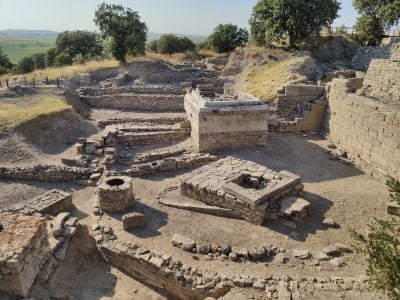
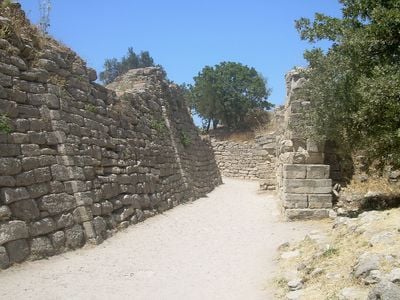
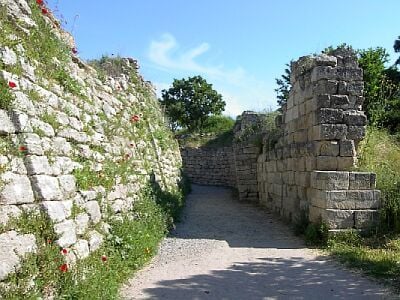
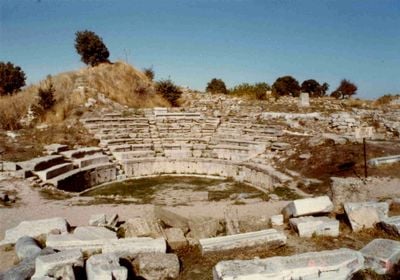
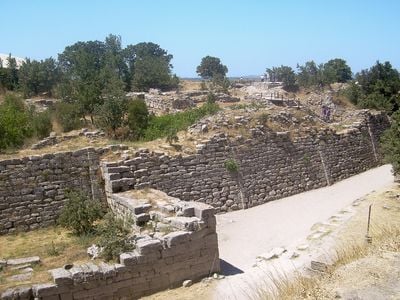
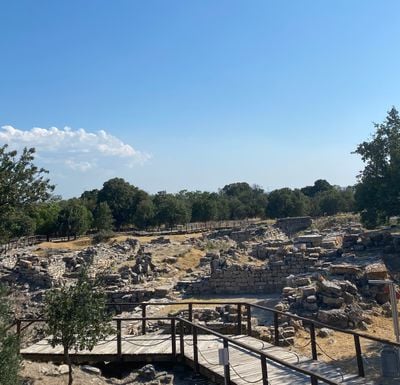
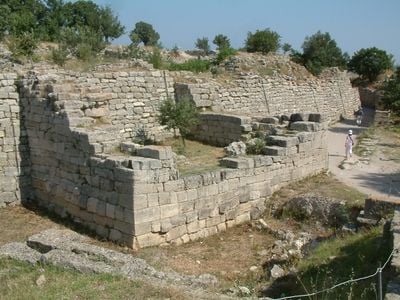
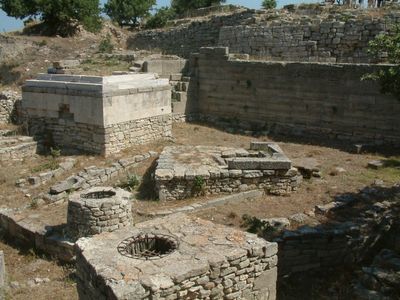
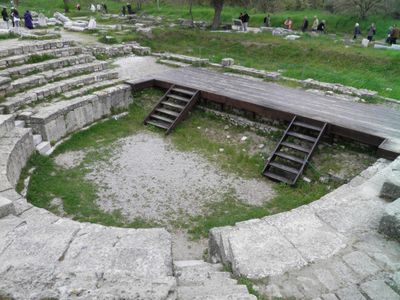
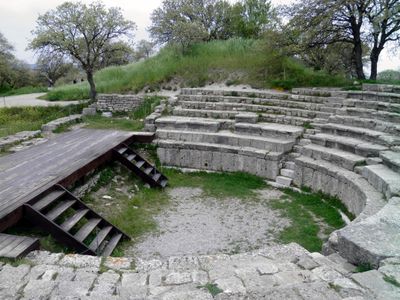
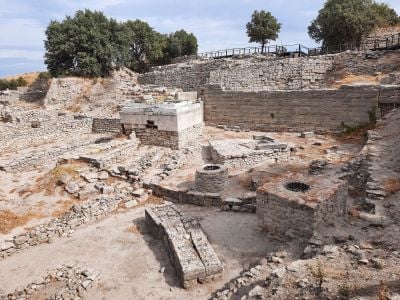
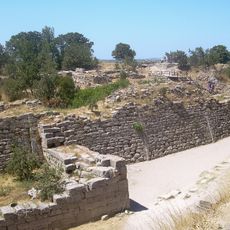
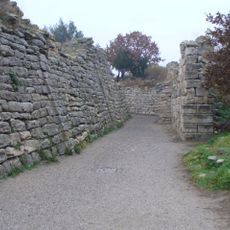
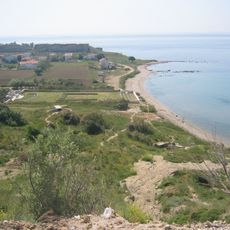
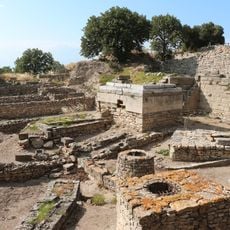
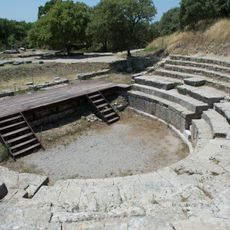
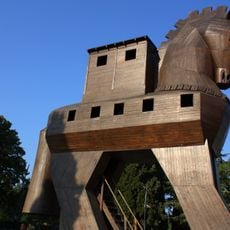
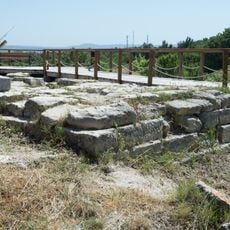
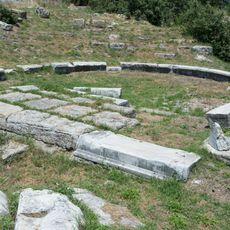
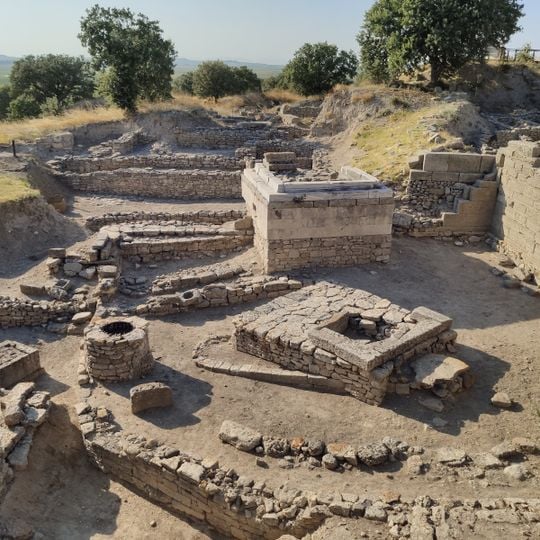
Troy is an excavated archaeological site with nine overlapping settlement layers in Çanakkale Province, Turkey. Walls built from hewn stone blocks rise several meters high, monumental gates and paved ramps lead through the exposed areas, while reconstructed wooden horses stand at the main entrance and foundations of temples, houses, and public buildings show different construction periods.
People first settled here around 3000 BCE and the site remained inhabited until the 5th century CE, with each generation building over the ruins of earlier settlements. Wilhelm Dörpfeld continued excavations between 1893 and 1894, while Carl Blegen and an international team scientifically identified the nine main layers between 1932 and 1938.
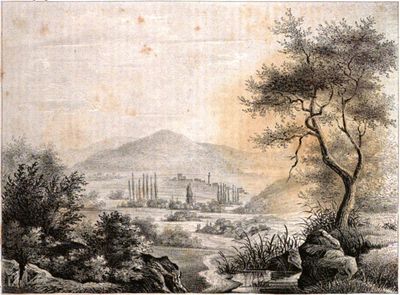
Visitors today connect the ruins with stories from Homer, seeing how legend and archaeology meet at this western Turkish site. Tours and information panels show how literary tradition and physical remains come together in a place that shaped ancient Greek storytelling.
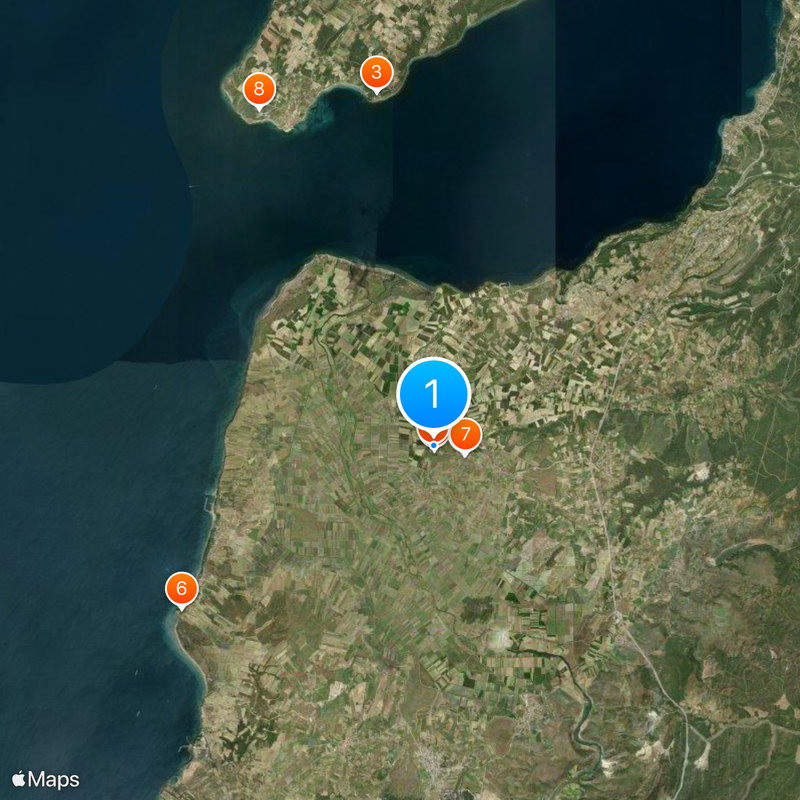
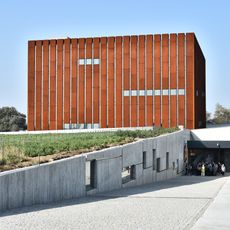
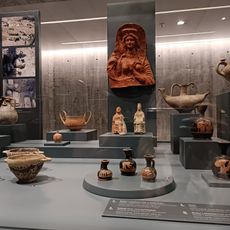
The grounds lie about 30 kilometers southwest of Çanakkale and are reachable by minibus from the city's bus terminal. A museum at the entrance displays artifacts and models of the different settlement phases, while shaded paths guide visitors through the main excavated areas.
Schliemann accidentally destroyed the layer known as Troy VI while digging for older remains, even though this phase from the 13th century BCE probably matches the city described by Homer. His finds from Troy II, which he called Priam's Treasure, actually come from a period 1000 years before the supposed war.
The community of curious travelers
AroundUs brings together thousands of curated places, local tips, and hidden gems, enriched daily by 90,798 contributors worldwide.