Temple of Artemis, Ancient Greek temple in Turkey
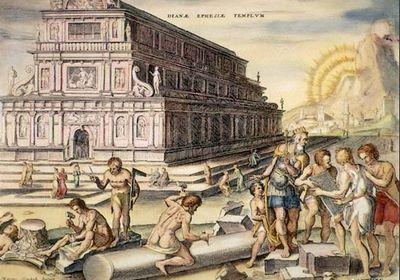
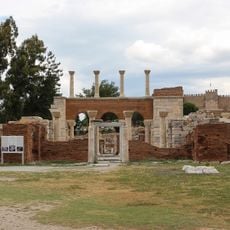
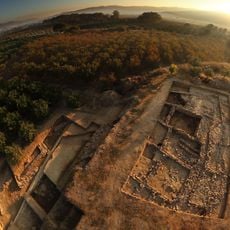
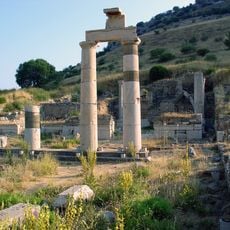
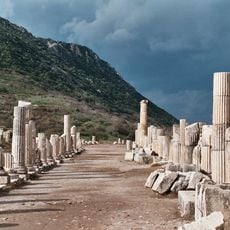
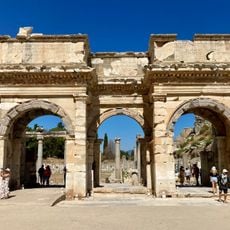
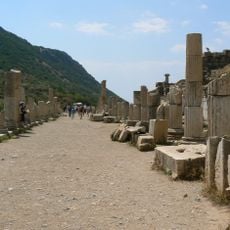
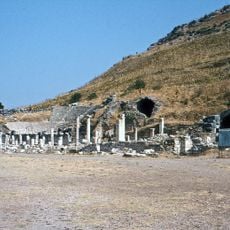
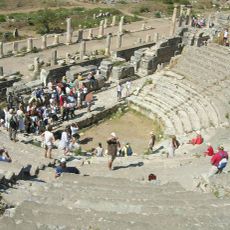
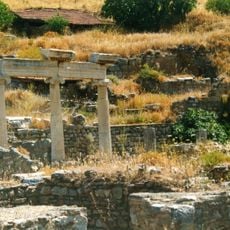
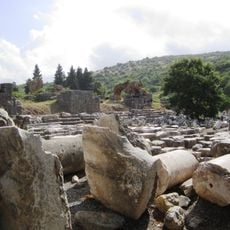
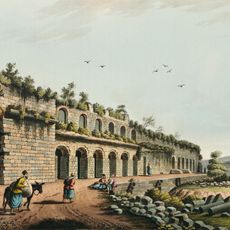
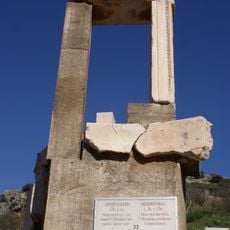
The Temple of Artemis in Selçuk was a massive marble sanctuary in ancient Ephesos, now reduced to scattered stone fragments and foundation remains. A single reconstructed column stands on the ground, showing where rows of tall pillars once enclosed a large open space used for worship and public gatherings.
Construction of the sanctuary began around the 8th century BCE, and over time it was destroyed by floods and fires. A man called Herostratos burned it in 356 BCE for notoriety, and invaders from the north caused its final destruction in 267 CE.
The goddess was worshipped here with symbols of fertility rather than hunting, setting this place apart from other Greek cities. Pilgrims came with offerings and gathered for ceremonies, seeking the protection of a deity they believed watched over their fields and community.
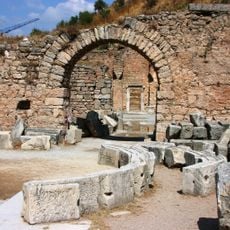
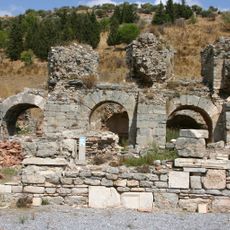
The ruins sit on open ground with little shade, making an early morning or late afternoon visit preferable to avoid midday heat. The path from Selçuk is accessible by foot, though walking shoes are helpful on the uneven terrain where broken stones and low walls mark the ancient ground level.
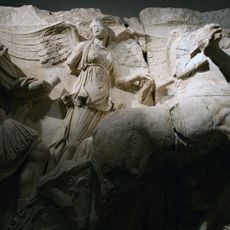
Excavators in the 19th century uncovered layers of silt and debris left by floods that had buried the sanctuary over centuries. Among the finds were early coins and carved reliefs, revealing how the building lay hidden under meters of accumulated mud before it was brought back to light.
The community of curious travelers
AroundUs brings together thousands of curated places, local tips, and hidden gems, enriched daily by 60,000 contributors worldwide.