Les Baux-de-Provence, Medieval fortress village in Bouches-du-Rhône, France
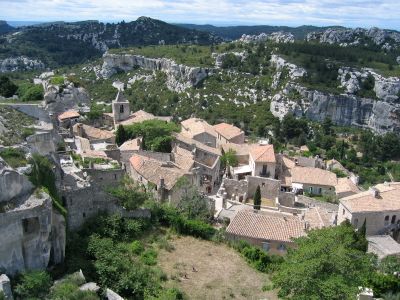
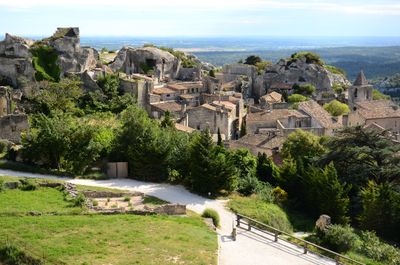
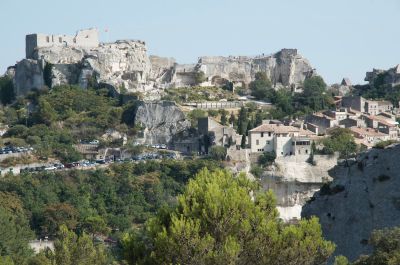
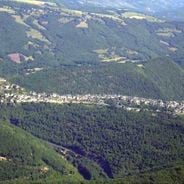
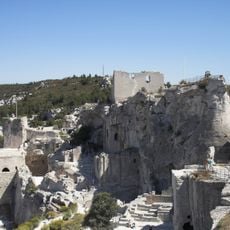
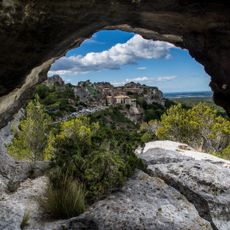
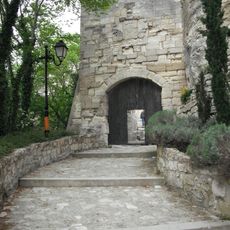
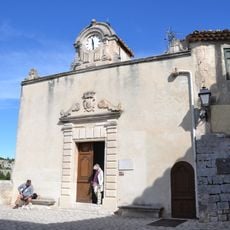
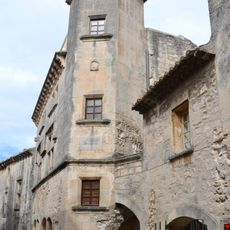
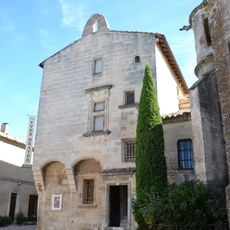
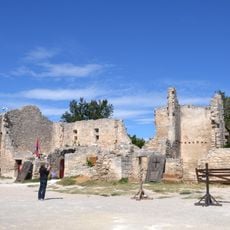
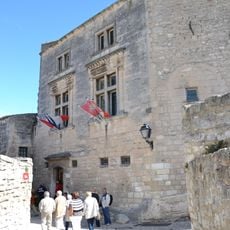
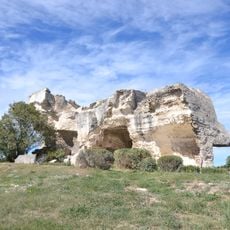
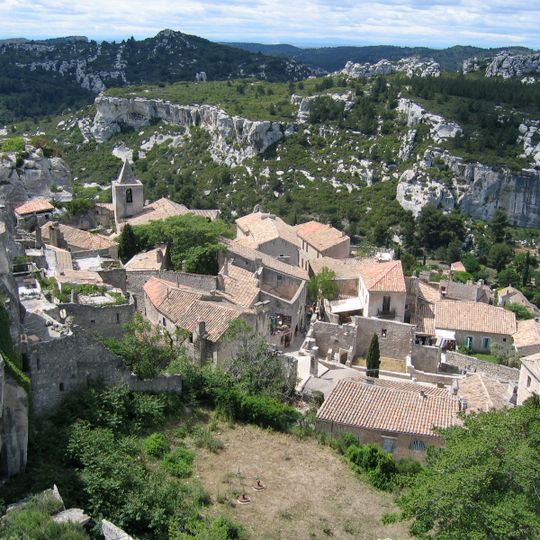
Les Baux-de-Provence is a fortified settlement on a rocky plateau in the Bouches-du-Rhône department of Provence. The built area stretches along narrow lanes of pale limestone and is crowned by the remains of a medieval castle that looks out over the surrounding valleys and olive groves.
The barony arose in the 10th century on this strategic rocky plateau and controlled up to 79 surrounding settlements. The family claimed descent from the biblical Magi and carried the Star of Bethlehem in their coat of arms.
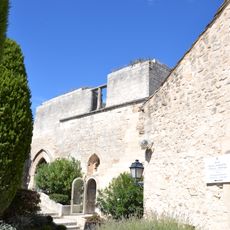
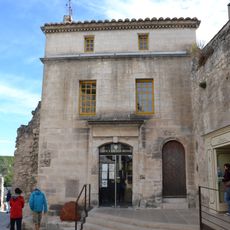
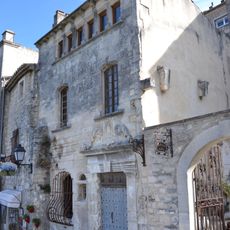
The name comes from the Provençal word for rocky outcrop, reflecting its position on a steep limestone plateau. The remaining stone houses blend into the natural landscape and form a continuous ensemble with the castle ruins.
The castle grounds and lanes are explored on foot, with sturdy shoes recommended because of the uneven terrain. The location on the rocky plateau means inclines and steps, so allow some time for walking at a comfortable pace.
Geologist Pierre Berthier discovered a reddish ore here in 1821, which he named after the place and which was later recognized as an important aluminum source. Today the term bauxite recalls this Provençal discovery site around the world.
Location: Bouches-du-Rhône
Location: arrondissement of Arles
Location: Canton of Salon-de-Provence-1
Location: Communauté de communes Vallée des Baux-Alpilles
Elevation above the sea: 169 m
Shares border with: Fontvieille, Maussane-les-Alpilles, Paradou, Saint-Rémy-de-Provence, Saint-Étienne-du-Grès
Address: 13520 Les Baux-de-Provence, France
Phone: +33490543403
Email: accueil-mairie@lesbauxdeprovence.com
Website: http://lesbauxdeprovence.com
GPS coordinates: 43.74389,4.79528
Latest update: December 4, 2025 23:42
The Provence-Alpes-Côte d'Azur region combines medieval villages, historical fortifications, and natural areas between the Mediterranean coast and the Alps. The landscape ranges from the lavender-covered plateaus of Valensole to the steep limestone cliffs of the Calanques and alpine passes above 8,900 feet (2,700 meters). Geological formations like the mushroom-shaped Demoiselles Coiffées de Théus and the reddish sandstone rocks of Annot show millions of years of natural shaping. Monasteries such as Abbaye de Sénanque and Thoronet Abbey preserve Cistercian architecture, while villages like Gordes and Les Baux-de-Provence maintain their medieval layouts. The coastal settlements of Èze, Menton, and Gourdon sit on rocky perches above the Côte d'Azur, their narrow streets leading to viewpoints overlooking the sea. The Lérins Islands off Cannes and the Îles d'Hyères offer quieter coastal landscapes with Mediterranean vegetation. Inland, hiking trails like Sentier Martel pass through the Verdon Gorge, while the Vallée des Merveilles displays prehistoric rock engravings in an alpine setting. Fortifications including the Citadelle de Sisteron, Fort Carré in Antibes, and the ruins of Fort de Buoux document centuries of military history at strategic passages and heights.
In France, each region hides villages that seem out of time. These places are made of stone, wood, and light, where history is written on facades and in paved streets. Some are nestled in valleys, others cling to cliffs or overlook vineyards. There are old houses, squares lined with arcades, castles, Romanesque churches, and sometimes a river winding between gardens. These villages have retained the charm of their era, the slow pace of residents, and the sound of wind in shutters. From Breton granite to Alsatian half-timbered houses, from southern golden limestone to Alpine shingle roofs, each tells a way of life, a color, an accent. They form the deep face of the country, one that is only visible when taking the time to stop.
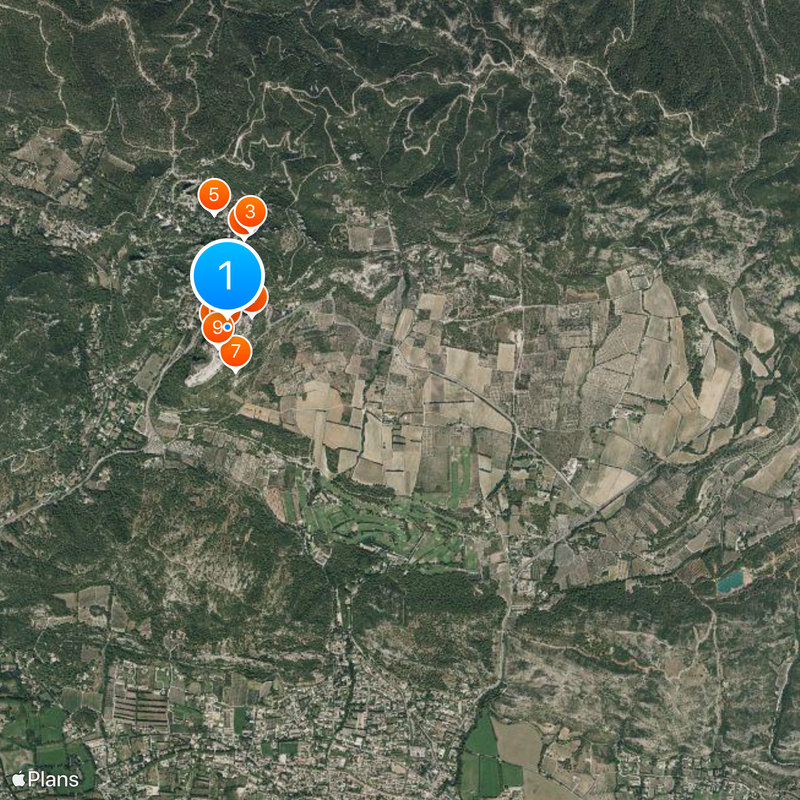
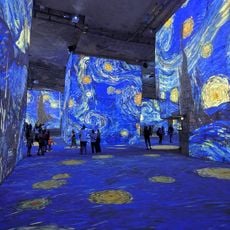
Carrières des Lumières
507 m
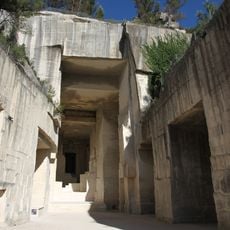
Carrières de Lumières
556 m
Château des Baux
148 m
Mausoleum of Glanum
4.6 km
Glanum Dam
4.1 km
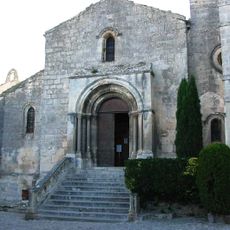
Église Saint-Vincent des Baux
74 m
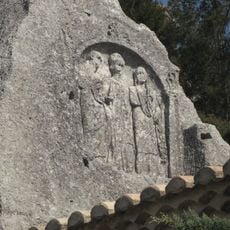
Trémaïe
251 m
Hôtel de Manville
24 m
Thermal compounds in Glanum
4.5 km
Chapelle Saint-Blaise des Baux-de-Provence
126 m
Golf Du Domaine De Manville
1.3 km
Pavillon de la reine Jeanne
210 m
Porte Eyguières
50 m
Musée des Santons
92 m
Maison Jean de Brion
35 m
Hôtel des Porcelets
72 m
Former Quiqueran hospice
104 m
Maison de la Tour de Braü
131 m
Maison du roi
133 m
Église Sainte-Croix de Maussane-les-Alpilles
2.6 km
Église Saint-Martin de Paradou
2.8 km
Chapelle des Pénitents blancs
96 m
Hôtel de ville des Baux-de-Provence
4 m
Maison des remparts
41 m
Chapelle Sainte-Catherine des Baux-de-Provence
114 m
Oratoire de Paradou
2.5 km
Les villes antiques de la Narbonnaise et leur territoire : Nîmes, Arles, Glanum, aqueducs, via Domitia
4.2 km
Chapelle des Trois-Maries dite chapelle des Trémaïé des Baux-de-Provence
259 mReviews
Visited this place? Tap the stars to rate it and share your experience / photos with the community! Try now! You can cancel it anytime.
Discover hidden gems everywhere you go!
From secret cafés to breathtaking viewpoints, skip the crowded tourist spots and find places that match your style. Our app makes it easy with voice search, smart filtering, route optimization, and insider tips from travelers worldwide. Download now for the complete mobile experience.
A unique approach to discovering new places❞
— Le Figaro
All the places worth exploring❞
— France Info
A tailor-made excursion in just a few clicks❞
— 20 Minutes