Loch Lomond, Freshwater lake in West Dunbartonshire, Scotland
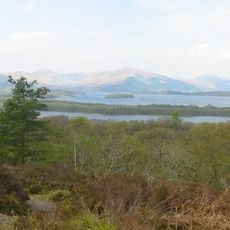
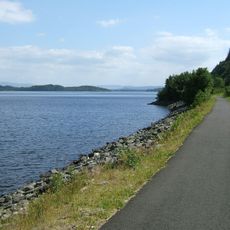
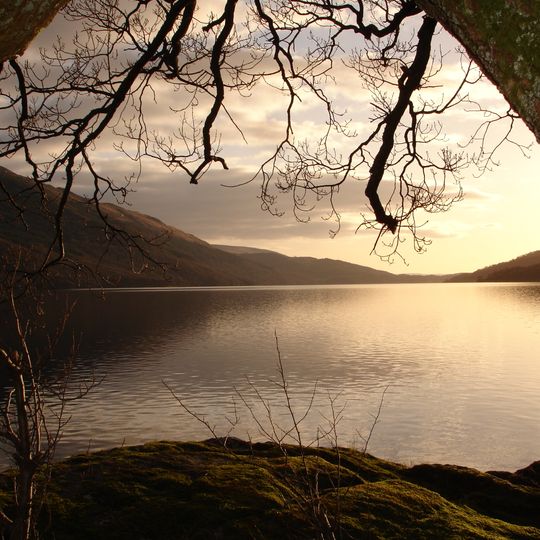
Loch Lomond is a freshwater lake in West Dunbartonshire, Argyll and Bute, and Stirling in Scotland that stretches for 39 kilometers along a geological fault line. The lake contains more than 60 small wooded islands and reaches 190 meters below the surface at its deepest point.
The loch's trough was carved by glaciers during the Loch Lomond Readvance, a return to glacial conditions between 20,000 and 10,000 years ago. Neolithic settlers reached the shores about 5,000 years ago, leaving traces at Balmaha, Luss and Inchlonaig, and crannogs were built in the water. James Boswell and Samuel Johnson toured the islands in 1773, by which time the loch was already an established destination.
The loch's name comes from Ben Lomond, Gaelic Beinn Laomainn, "beacon mountain"; an older name, Loch Leamhna, derives from the River Leven, Gaelic for "elm water". The song "The Bonnie Banks o' Loch Lomond" is linked to a letter said to have been written by Jacobite soldier Donald McDonald before his execution after the 1745 rising.
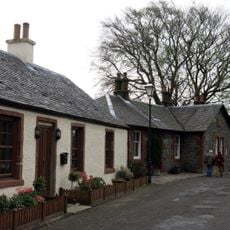
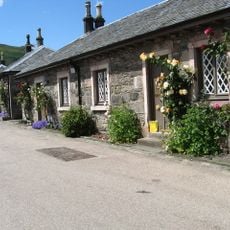
Several villages along the shore provide starting points for walks, boat trips, and overnight stays, with the southern end being easier to reach. Water temperature remains cool throughout the year, so suitable clothing is important for activities on or near the water.
Inchmurrin, the largest freshwater island in the British Isles at 1.2 km², is named after the Irish saint Mirin and lies in the loch's southern tip. It is open to the public and has 13 residents. On Inchfad, ruins of an illegal 19th-century whisky distillery can still be made out in the undergrowth.
The community of curious travelers
AroundUs brings together thousands of curated places, local tips, and hidden gems, enriched daily by 93,151 contributors worldwide.