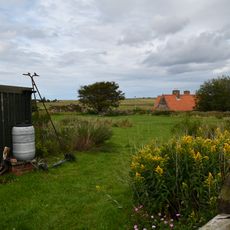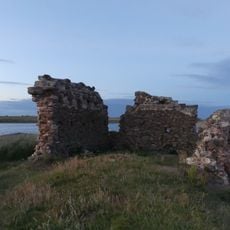
Lindisfarne, Tidal island in Northumberland, England.
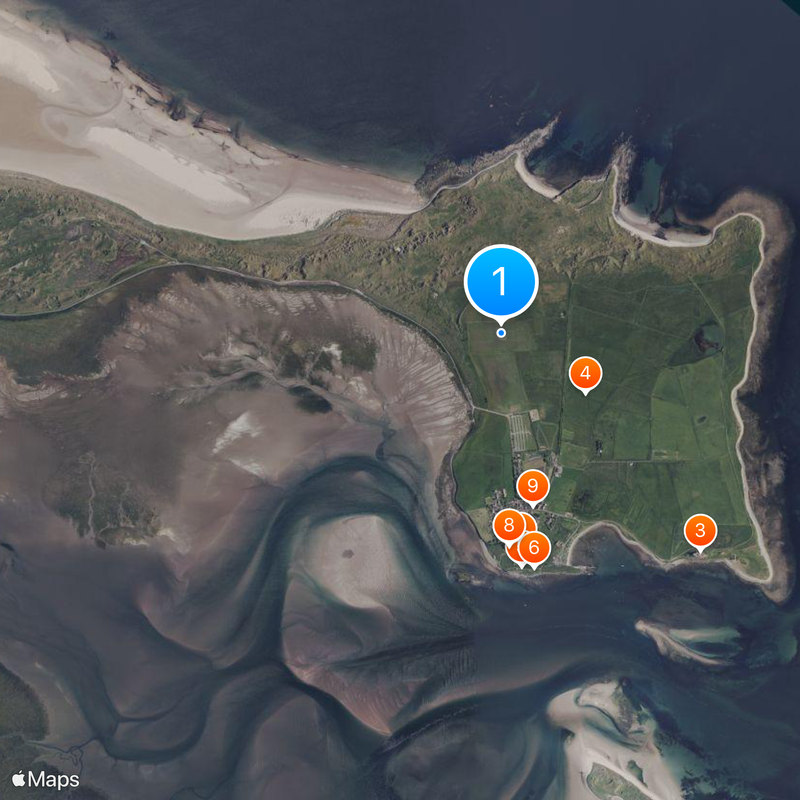
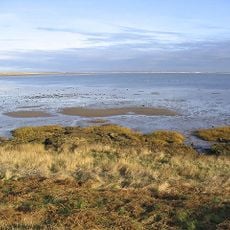
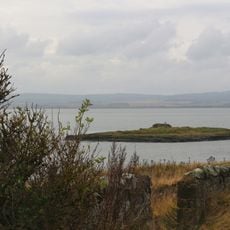
Lindisfarne is a tidal island off the Northumberland coast, connected to the mainland by a raised causeway. The shoreline shows sand dunes, salt marshes, and tidal flats that shelter many bird species throughout the year.
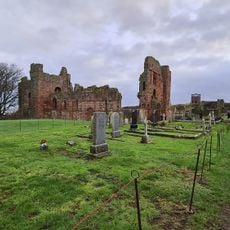
A monastery founded in 634 by Aidan grew into a center of religious learning and produced the Lindisfarne Gospels manuscript. Vikings raided the site in 793, an attack that marked the end of early medieval peace in England.
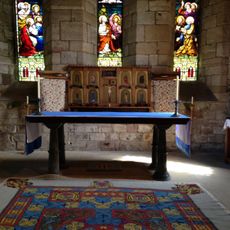
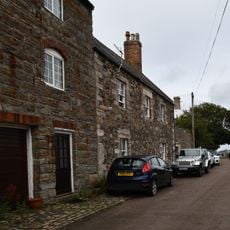
Pilgrims and visitors attend services at the parish church, which remains an active place of worship today. Residents maintain a community shaped by the rhythm of the tides and the isolated location.
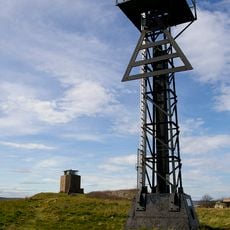
Visitors must check tide tables before crossing the causeway, as rising water cuts off access twice daily. A refuge box on the causeway provides emergency shelter for people caught by the tide.
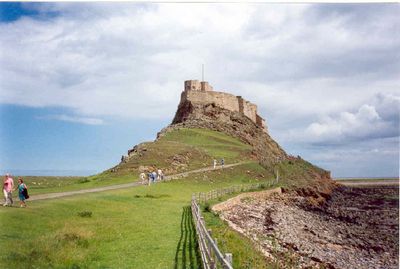
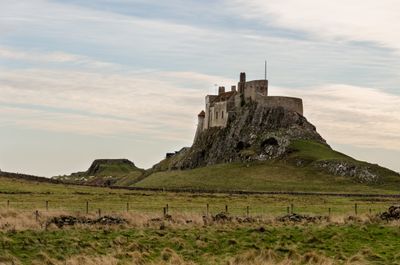
A local workshop still makes mead using an old recipe that blends honey, herbs, and water drawn from wells on the island. The castle on the highest point was converted from a Tudor fort into a residence only at the start of the 20th century.
The community of curious travelers
AroundUs brings together thousands of curated places, local tips, and hidden gems, enriched daily by 91,992 contributors worldwide.