Dunsinane Hill, Summit in Perthshire, Scotland.
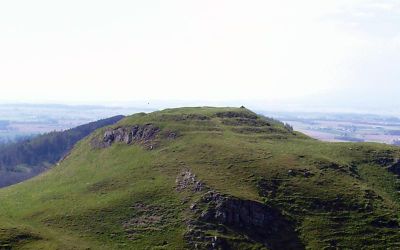
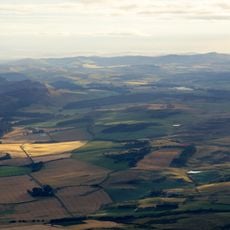
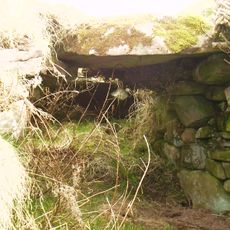
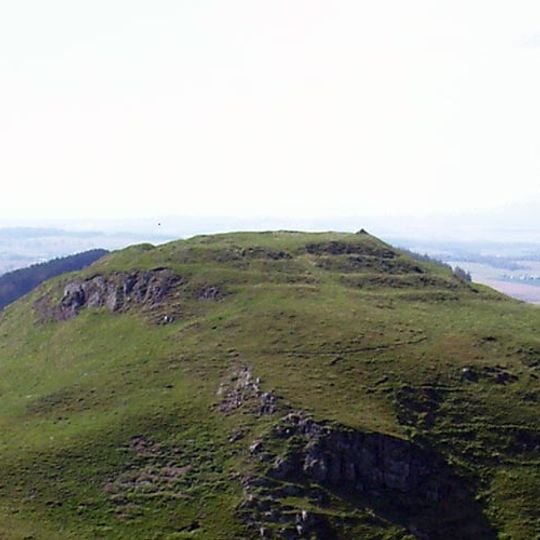
Dunsinane Hill is a rounded, grass-covered hill of the Sidlaws rising to 310 metres near Collace in Perthshire. Its flattish summit is a late Iron Age hill fort, with ramparts still traceable around the uneven grassy plateau; bands of grey rock and exposed earth break through the grass on the left flank below the top.
Dunsinane is the traditional site of the 1054 battle in which Siward, Earl of Northumbria, defeated Macbeth of Scotland. The hilltop holds a late Iron Age hill fort, long called Macbeth's Castle, though no archaeological evidence shows it was used in the 11th century. Amateur excavations in the 19th century damaged the ramparts.
Shakespeare's fourth-act apparition tells Macbeth he is safe until Birnam Wood comes to Dunsinane, and the play's fifth act is set at Dunsinane castle. The hill's Gaelic name, Dunsinnan, means 'hill of ants', perhaps for the many builders of the fort. Locals call the Iron Age ramparts Macbeth's Castle.
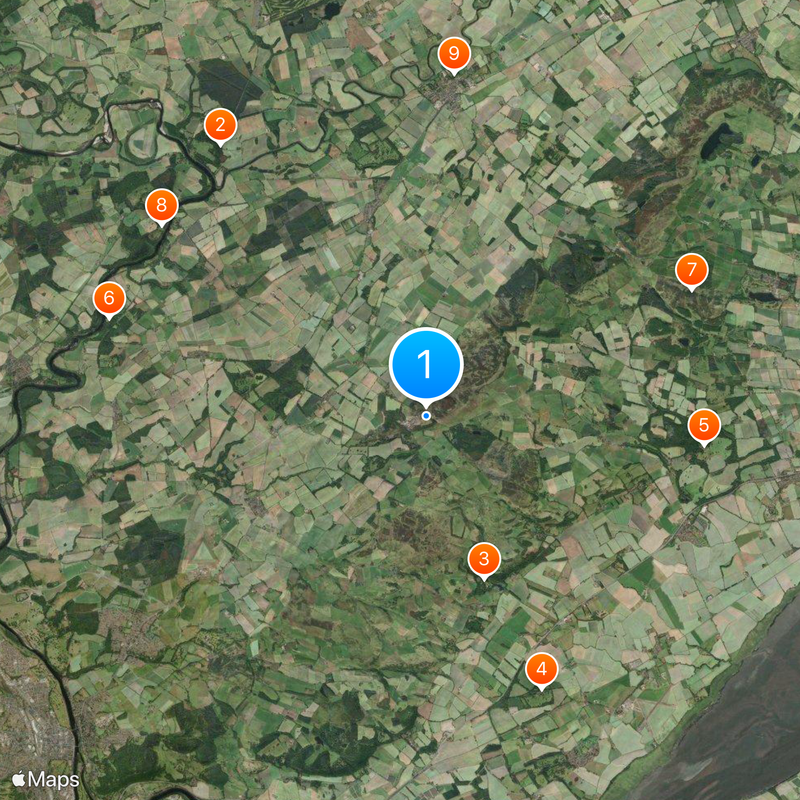
The summit is reachable from the village of Collace via a marked path, with a small parking area available at the starting point. Wear sturdy shoes and bring layers, as the hill is exposed to open wind and weather conditions.
The name derives from Gaelic and is usually translated as 'hill of ants', perhaps referring to the many people needed to build the fortress. Shakespeare's rhyme forced the stress onto the first or third syllable with a long 'a'; locally the stress falls on the second syllable with a short 'a'. An alternative spelling is Dunsinnan.
The community of curious travelers
AroundUs brings together thousands of curated places, local tips, and hidden gems, enriched daily by 94,726 contributors worldwide.