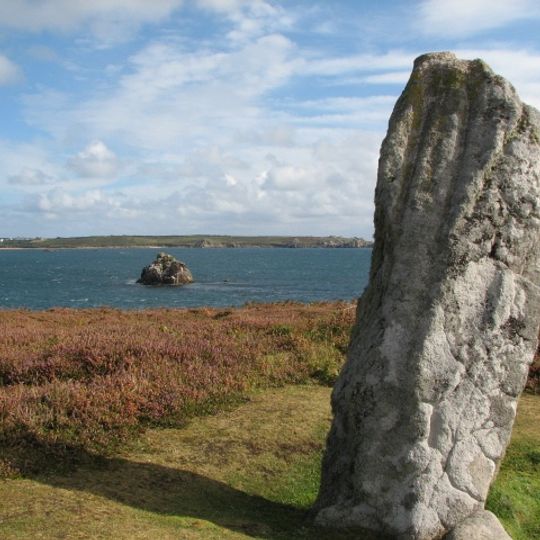
Gugh, Tidal island in St. Agnes, United Kingdom
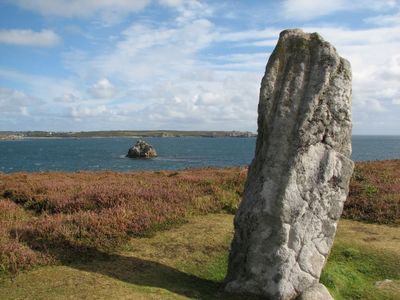
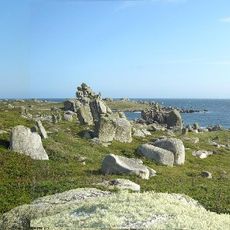
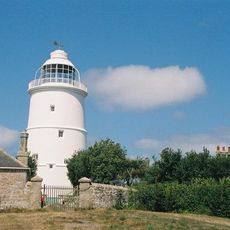
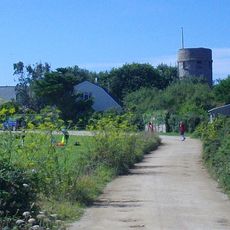
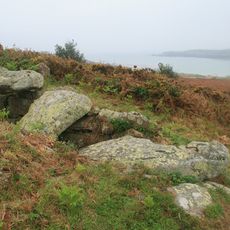
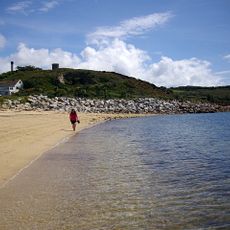
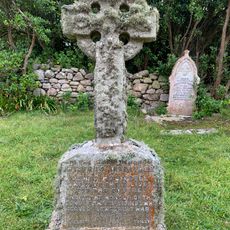
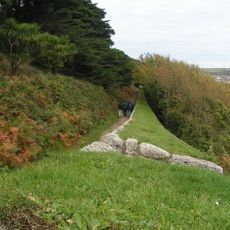
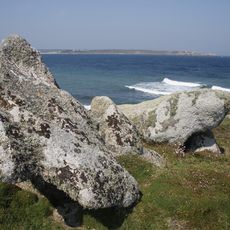
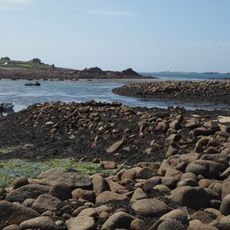
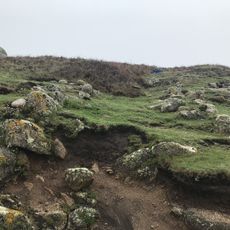
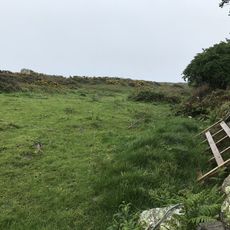
Gugh is a tidal island off St. Agnes in the Isles of Scilly, reachable on foot across a natural sandbar when the tide is low. The island holds two residential buildings and a prehistoric standing stone set on one of its slopes.
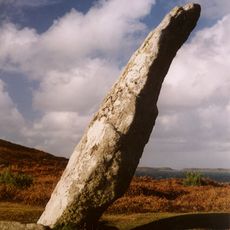
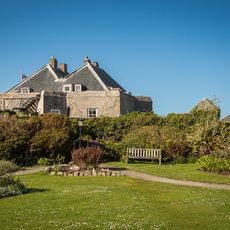
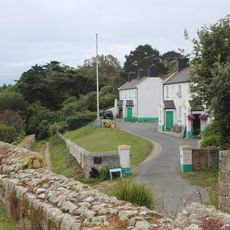
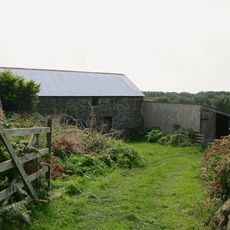
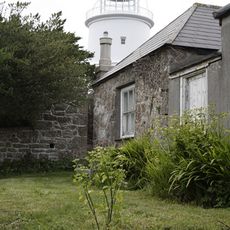
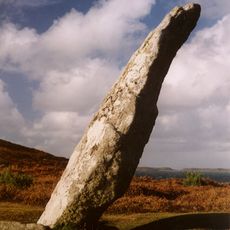
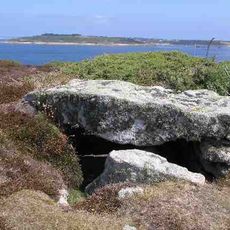
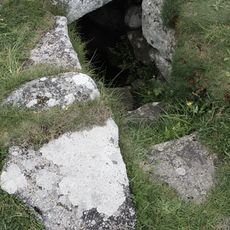
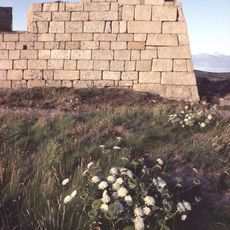
The island has been occupied since prehistoric times, as shown by the Old Man of Gugh, a Bronze Age standing stone that still stands on the hillside. The two houses on the island were built in the early 20th century by Charles Hamlet Cooper, making permanent modern settlement possible.
The name Gugh comes from Cornish and simply means "island," pointing to a very old local language tradition. Today only a handful of people live there year-round, giving the place a remote feeling that contrasts sharply with the summer visitor season.
The sandbar crossing is only possible at low tide, so checking tide times in advance is essential. Allow plenty of time on the island to avoid being cut off when the tide returns.
When the sandbar floods at high tide, Gugh becomes the smallest permanently inhabited island in the Isles of Scilly. A few hours later, the connection to St. Agnes reappears and the boundary of the island shifts back again.
The community of curious travelers
AroundUs brings together thousands of curated places, local tips, and hidden gems, enriched daily by 92,367 contributors worldwide.