Greenbelt, Planned community from New Deal era in Prince George's County, United States.
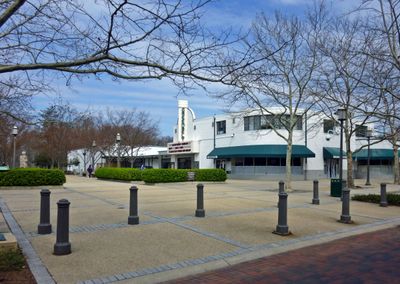
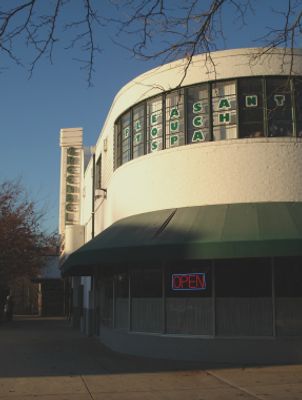
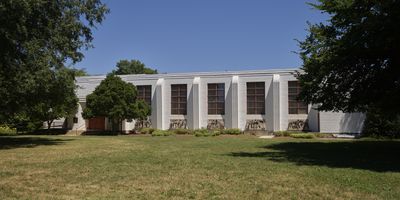
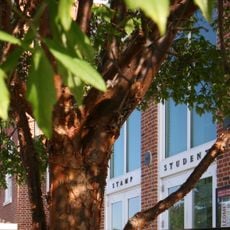
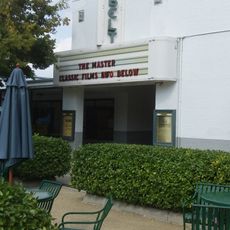
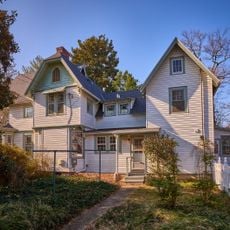
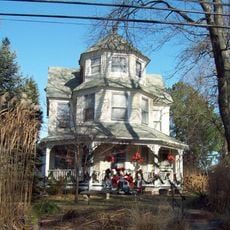
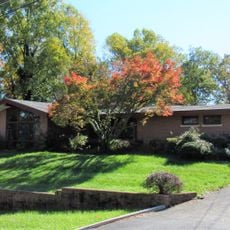
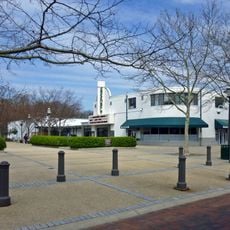
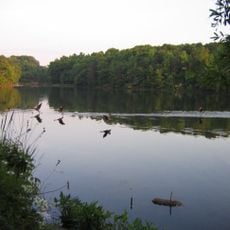
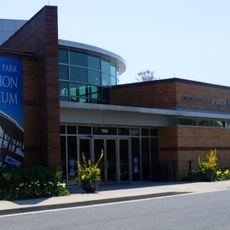
Greenbelt is a planned residential community from the 1930s, designed with abundant green spaces, sidewalks, and Art Deco-style buildings arranged in curved patterns around a central shopping district. The layout reflects a deliberate vision that integrates homes, parks, and businesses into a cohesive whole.
The government launched the project in 1936 during the Great Depression to provide housing and create jobs for workers. The first residents arrived in 1937, establishing this place as an experimental model for planned community development.
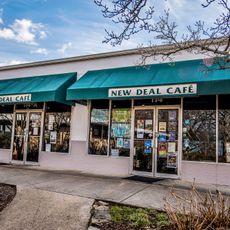
The community has deep roots in neighborly traditions, with residents gathering throughout the year for farmers markets, festivals, and local club meetings held in communal spaces. This sense of togetherness remains central to how people experience life here today.
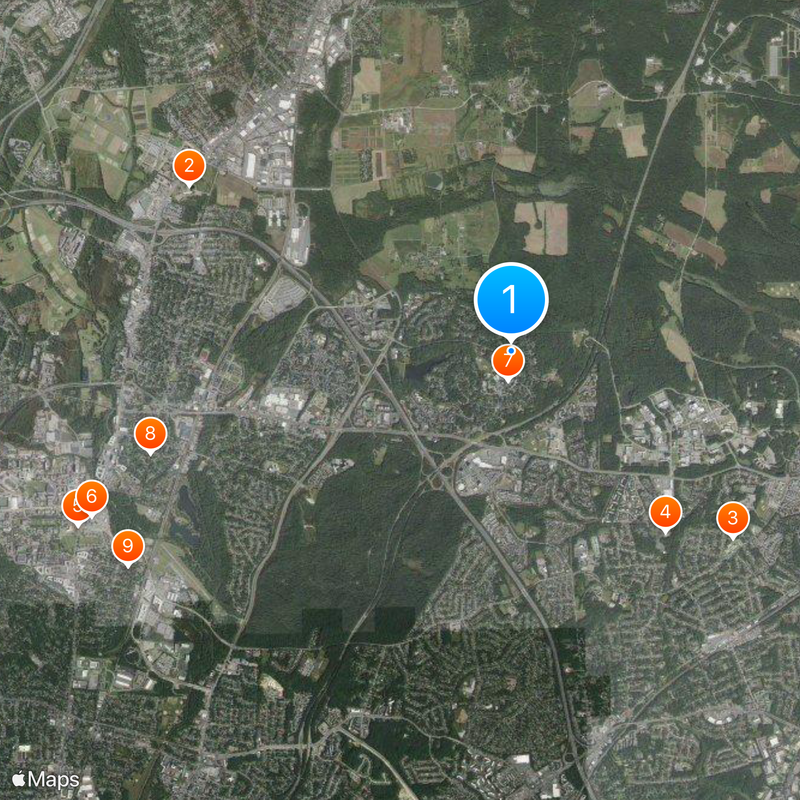
The location connects easily to Washington D.C. via the Metro Green Line station nearby. Parking is available throughout residential areas and near the shopping center, making arrival by car straightforward as well.
This place was an experimental laboratory for city planning ideas in its era, featuring curved streets designed to slow traffic and extensive green networks woven between residential blocks. These features became models that later communities across North America adopted.
The community of curious travelers
AroundUs brings together thousands of curated places, local tips, and hidden gems, enriched daily by 91,434 contributors worldwide.