Croton Aqueduct, 19th-century water infrastructure in Manhattan, United States
Croton Aqueduct is a 19th-century water infrastructure in Manhattan, United States, that extends 41 miles through Westchester County and channels water from the Croton River to several reservoirs in Manhattan. The system relies on natural gravity to move the water without pumps, maintaining a steady flow along the entire route.
Work on the original structure began in 1837 under engineer John B. Jervis and was completed in 1842, creating the first major water supply system for New York City. Its successful operation paved the way for further urban infrastructure projects and shaped city development.
The name comes from the Croton River, whose water has flowed through this system for over a century to supply the city with drinking water. Today the structure represents a technical achievement from the past that many New Yorkers recognize as a historical monument.
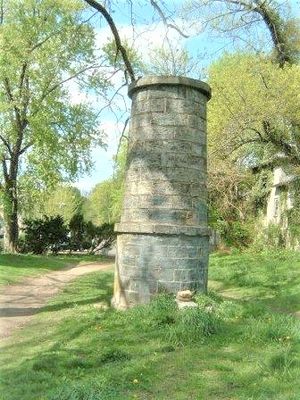
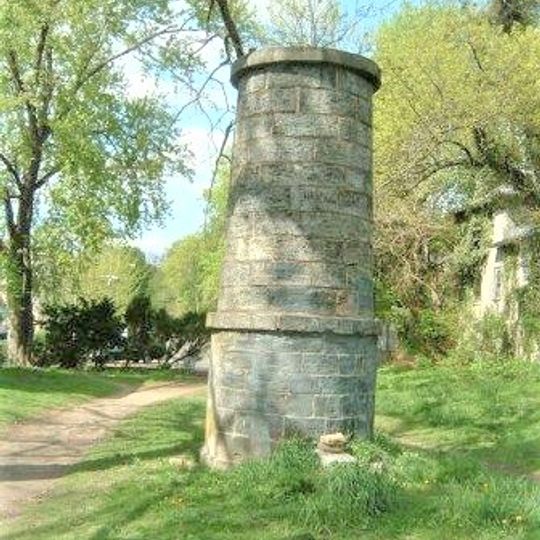
A portion of the original route now forms a 26-mile walking trail in the Old Croton Aqueduct State Historic Park, suitable for hiking and cycling. The path runs through wooded areas and features preserved historical elements such as stone ventilators along the way.
The structure not only brought water but transformed daily life in the city by introducing indoor plumbing and sewage systems that served over 6,000 houses by 1844. Its completion was celebrated with a public ceremony at City Hall Park on October 14, 1842, featuring a 50-foot water fountain.
The community of curious travelers
AroundUs brings together thousands of curated places, local tips, and hidden gems, enriched daily by 90,789 contributors worldwide.