Joara, Archaeological settlement in Burke County, North Carolina.
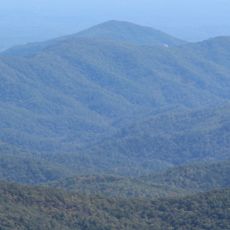
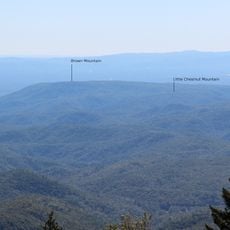
Joara is an archaeological site in Burke County near the Blue Ridge Mountains foothills, containing remains of a pre-Columbian settlement. A central earthwork mound forms the main feature, later overlapped by Spanish fortifications from the colonial period.
The location became home to a major Mississippian settlement around 1000 before Spanish conquistador Juan Pardo built Fort San Juan there in 1567. This was one of the first European structures in the interior of North America and lasted only briefly.
This settlement was a regional hub for Mississippian culture starting around 1000, connecting different Native American communities across the area. Visitors can observe how the site's layout reflects the importance people placed on gathering and exchange.
The site offers public excavation programs and educational activities through the Exploring Joara Foundation research center. Visitors should expect outdoor fieldwork conditions and can explore different areas depending on the season and ongoing excavation phases.
Archaeologists uncovered evidence of the Spanish fort in 2013, including a defensive moat that cut through the pre-Columbian earthwork mound. This overlap reveals a rare example of two distinct cultures using the same space in succession.
The community of curious travelers
AroundUs brings together thousands of curated places, local tips, and hidden gems, enriched daily by 91,328 contributors worldwide.