Popham Colony, Archaeological site in Phippsburg, Maine, United States.
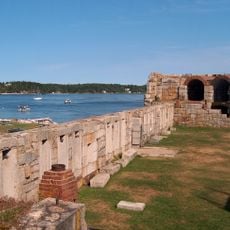
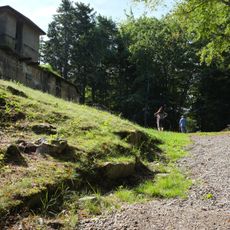
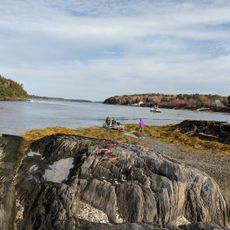
Popham Colony is an excavated 17th-century English settlement on the shore of the Kennebec River in Phippsburg, Maine. The site shows foundations of residential buildings, outlines of a fortification system, and remnants of several storage structures from its brief period of occupation.
George Popham established the settlement in 1607 with roughly 100 settlers as an English outpost on the North American coast. After a single harsh winter and due to lack of supplies, the surviving colonists abandoned the site and returned to England.
The colony takes its name from one of the founders George Popham, who died during the first harsh winter leaving his nephew Raleigh Gilbert in charge. Visitors today can see excavated areas where English craftsmen once completed the first ocean-going ship built in North America.
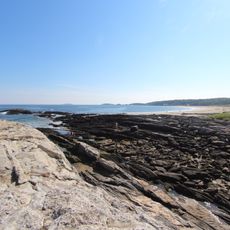
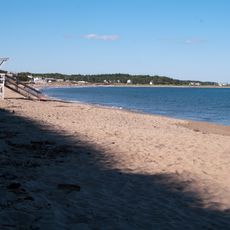
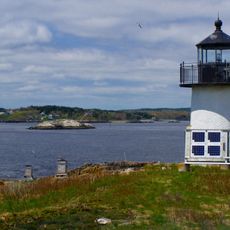
The site lies at the mouth of the Kennebec River and is accessible to visitors interested in early colonial history. The grounds are suitable for a short walk among the marked foundations and excavation areas.
Researchers found a detailed fort plan by John Hunt from 1607 in an archive in Madrid. This drawing helped archaeologists pinpoint the exact location of the settlement and conduct targeted excavations.
The community of curious travelers
AroundUs brings together thousands of curated places, local tips, and hidden gems, enriched daily by 91,369 contributors worldwide.