Dexter Pratt House, building in Massachusetts, United States
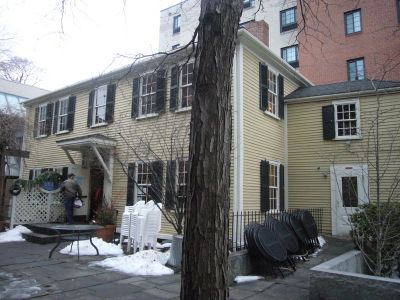
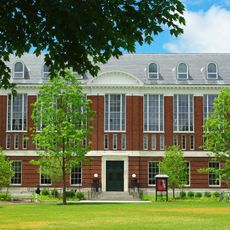
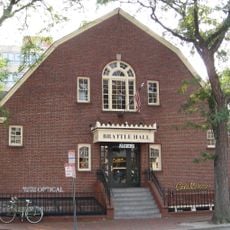
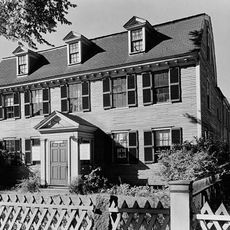
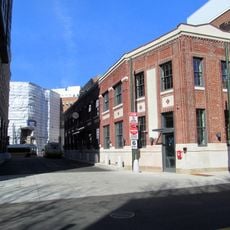
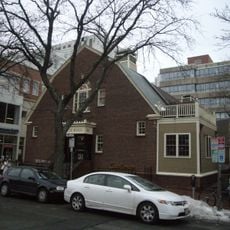
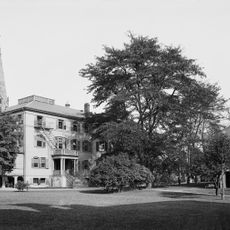
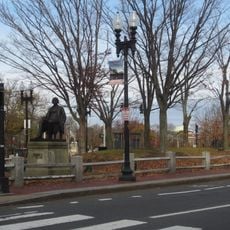
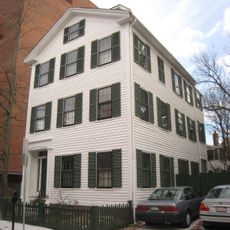
The Dexter Pratt House is a brick building constructed in 1808 in Cambridge, Massachusetts, and listed on the National Register of Historic Places. It displays Federal-style architecture with simple lines and balanced windows typical of early 1800s design, and sits on Brattle Street near a sculpture marking where a chestnut tree once stood.
Built in 1808, the house became home to blacksmith Dexter Pratt starting in 1827, who worked there until his death in 1847. The poet Henry Wadsworth Longfellow witnessed Pratt working under a large chestnut tree and published the famous poem 'The Village Blacksmith' in 1841, which brought the blacksmith enduring recognition.
The house served as a gathering place for people from different backgrounds across centuries. From the blacksmith who worked under the chestnut tree to Mary Walker who escaped slavery and later lived here, to European refugees employed after World War II, the building reflects how community members of various origins shaped this neighborhood.
The house is viewable from outside but not open to the public; you can examine the historic architecture and surroundings from the street. Benches nearby offer places to rest, and an iron sculpture marks where the famous chestnut tree once stood before it was removed in 1870 to make room for street expansion.
A wooden armchair was crafted from the wood of the famous chestnut tree that was cut down in 1870 and given to Longfellow as a gift by Cambridge schoolchildren. This chair stands as a tangible reminder of how the blacksmith's daily work inspired one of America's most beloved poems.
The community of curious travelers
AroundUs brings together thousands of curated places, local tips, and hidden gems, enriched daily by 91,641 contributors worldwide.