Fairfax Line, Colonial boundary line in West Virginia, United States
The Fairfax Line is a historic boundary that stretches about 77 miles (124 km) across mountainous terrain from the headwaters of the North Branch Potomac River to a point in the Rappahannock River watershed. It marks a land area that was formally surveyed and claimed during colonial times.
In 1746, a team of surveyors led by Colonel Peter Jefferson traced this boundary line across the landscape to define property rights for a large colonial land grant. The survey became a milestone in establishing formal territorial claims in the region.
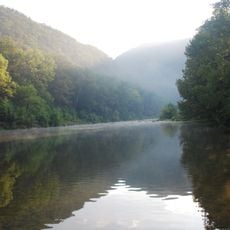
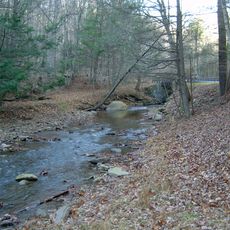
The line shows how early settlers used rivers and mountain features as natural boundary markers to define land ownership. This method of marking territory became a foundation for property rights in the developing colonial region.
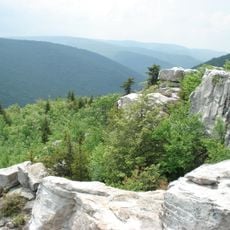
The northwestern endpoint at the Fairfax Stone marks the source of the North Branch Potomac River near the Maryland border and is the most accessible starting point for visitors. From there, the boundary line runs southeastward through rugged mountain country that requires good hiking equipment and physical preparation.
The line follows natural features like ridge lines and river sources with surprising accuracy for its time, using methods that required only basic tools and careful observation. Many of the original survey markers, including stone cairns and carved trees, remain visible along parts of the route today.
The community of curious travelers
AroundUs brings together thousands of curated places, local tips, and hidden gems, enriched daily by 92,245 contributors worldwide.