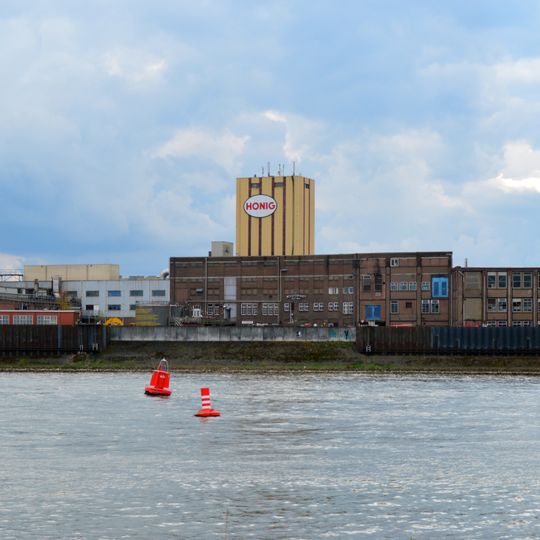
Honigcomplex Nijmegen, Art Deco industrial complex in Nijmegen, Netherlands.
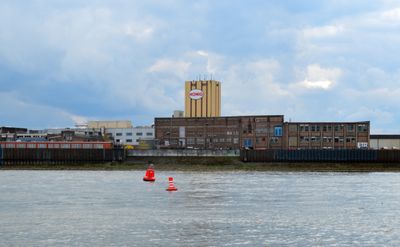
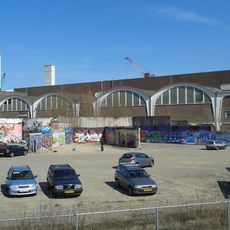
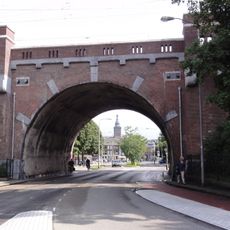
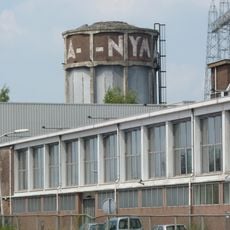
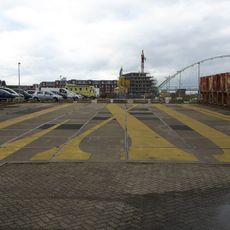
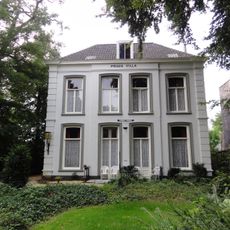
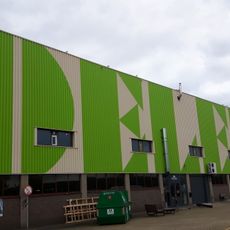
The Honigcomplex is a former mustard factory building on the Waal River in Nijmegen featuring distinctive red brick facades and Art Deco design elements. The structure displays decorative pilasters and cornices that adorn the upper floors and roof areas, offering a clear view of 1920s architecture and design.
The complex was built in 1926 by architect François Joseph Oscar Leeuw as a mustard factory and was a significant part of Nijmegen's industrial development in the interwar period. The building survived decades and was later transformed into a versatile cultural space that remains active today.
The complex now houses over 150 artisanal and creative businesses that have transformed the space into a hub for local artists and entrepreneurs. The various studios, workshops, and galleries shape daily life in the building and attract visitors who participate in art events and cultural activities.
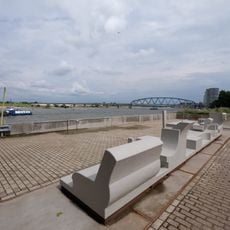
The location sits directly on the Waal waterfront and hosts exhibitions, cultural events, and business activities throughout the year. Visitors should allow time to explore the various creative spaces and experience the active atmosphere within the building.
Beneath the complex, archaeological teams uncovered remains of the Roman city Ulpia Noviomagus, including ancient harbors, temples, and bathhouses. These discoveries reveal that this location has been a center of human activity for nearly two thousand years.
The community of curious travelers
AroundUs brings together thousands of curated places, local tips, and hidden gems, enriched daily by 92,360 contributors worldwide.