East End and West End of Oslo, Residential quarters in Oslo, Norway
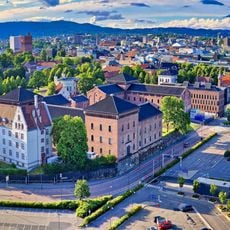
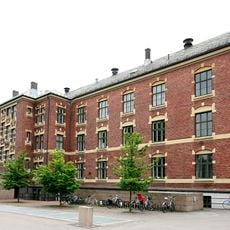
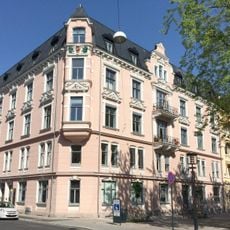
The East End and West End of Oslo are two residential quarters with distinct identities and neighborhoods. The East features more diverse and working-class areas, while the West contains wealthier residential zones with larger homes and quieter streets.
The split between East and West Oslo formed in the 1840s when industrial growth brought workers to the East while wealthier residents chose the West. This division took root and shaped the areas' development patterns for generations.
The East End hosts international communities and marketplaces where people from different backgrounds interact daily. This diversity shapes the neighborhood's appearance and rhythm, visible in the mix of shops, food stalls, and gathering places throughout the streets.
Tram and bus lines connect both areas well, making it easy to travel between the neighborhoods. Public transport allows you to explore the differences between East and West in a single day without difficulty.
The Akerselva river serves as a natural boundary between the two areas and marks an economic divide as well. Standing on either side of this waterway, you notice distinctly different living patterns and neighborhood layouts.
The community of curious travelers
AroundUs brings together thousands of curated places, local tips, and hidden gems, enriched daily by 92,633 contributors worldwide.